




What's Happening?
The field of plastic surgery is evolving towards more personalized and natural-looking results, according to predictions from ASPS Member Surgeons for 2027. Key trends include an increase in body contouring and skin removal procedures for patients who
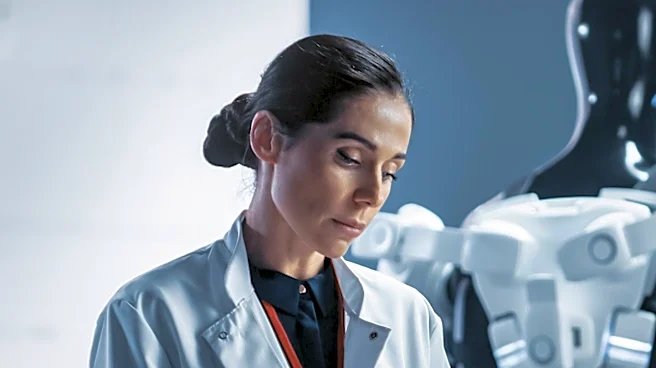
have experienced significant weight loss, particularly those using GLP-1 medications. There is a growing preference for proportionate enhancements over dramatic transformations, with patients seeking smaller breast implants and more refined outcomes. Breast surgery is becoming highly individualized, focusing on techniques that suit each patient's anatomy. Younger patients are increasingly exploring facial rejuvenation with an emphasis on prevention, preservation, and subtle refinements. Additionally, artificial intelligence is expected to play a larger role in patient education, consultations, and surgical planning, while patient safety, surgical qualifications, and evidence-based treatments are gaining increased importance in decision-making. These shifts indicate a move towards thoughtful aesthetic decisions rather than following fleeting trends.
Why It's Important?
These evolving trends reflect a significant shift in patient priorities and the broader aesthetic landscape. The rise in post-weight loss procedures highlights the impact of new medical advancements like GLP-1 medications on surgical demand, creating new avenues for plastic surgeons. The preference for natural results and personalized approaches indicates a more mature and informed patient base, moving away from standardized ideals towards individual well-being and self-acceptance. The integration of AI into patient education and surgical planning could revolutionize how individuals research and approach cosmetic procedures, potentially leading to more informed decisions but also requiring careful navigation of AI-generated information. The increased emphasis on surgeon qualifications and evidence-based practices underscores a growing demand for transparency and safety within the industry, pushing practitioners to maintain high standards and ethical considerations.
What's Next?
Looking ahead, plastic surgeons will likely need to adapt their practices to accommodate the growing demand for post-weight loss body contouring and volume restoration. The focus on personalized breast surgery will require a broader range of techniques and a deeper understanding of individual patient goals. As younger demographics seek earlier facial rejuvenation, surgeons may develop more preventative and minimally invasive approaches. The increasing use of AI will necessitate guidelines for both patients and practitioners to ensure that AI tools serve as valuable aids rather than misleading sources of information. Furthermore, the industry will continue to emphasize patient safety and ethical practices, potentially leading to more stringent standards for qualifications and transparency in patient communication. The ongoing evolution of patient preferences will drive continuous innovation in surgical techniques and patient care.
Beyond the Headlines
Beyond the immediate procedural shifts, these trends signal deeper cultural and societal changes. The embrace of natural results and personalization in plastic surgery may reflect a broader societal movement towards authenticity and individuality, moving away from a singular beauty ideal. The influence of GLP-1 medications on plastic surgery demand highlights the interconnectedness of medical advancements and aesthetic practices, suggesting a future where medical treatments increasingly shape the landscape of cosmetic procedures. The growing role of AI in healthcare, including plastic surgery, raises ethical questions about data privacy, the accuracy of AI-generated advice, and the potential for algorithmic bias in aesthetic recommendations. This technological integration also challenges the traditional patient-doctor relationship, requiring both parties to navigate a new era of information access. Ultimately, these trends point to a future where plastic surgery is less about transformation and more about thoughtful self-enhancement and maintenance within a framework of safety and personal well-being.