


What's Happening?
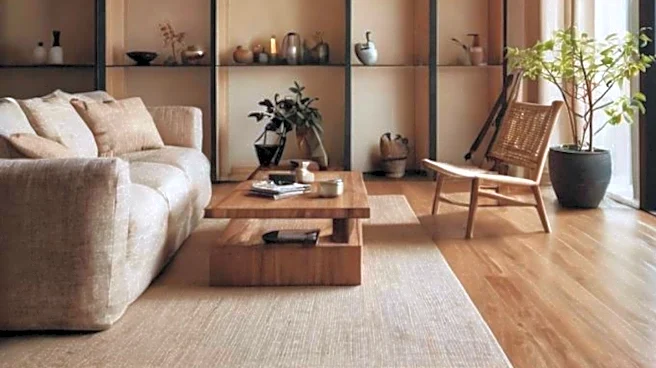
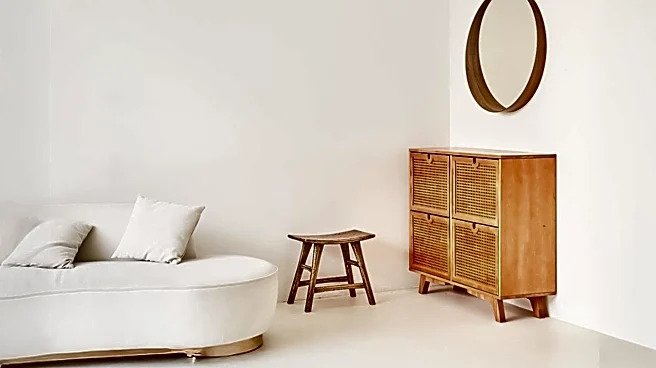
Japandi style is an emerging interior design trend that combines the minimalist aesthetics of Japanese design with the cozy comfort of Scandinavian style. This fusion emphasizes simplicity, functionality, and the use of natural materials, creating spaces
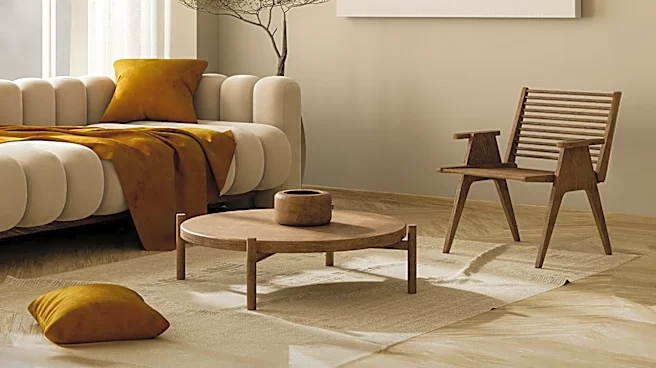
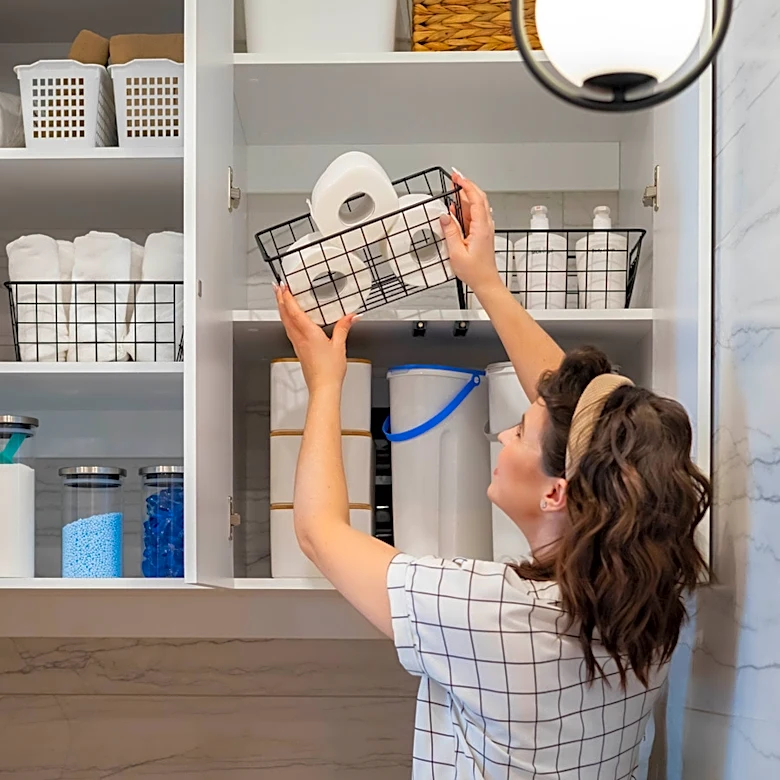
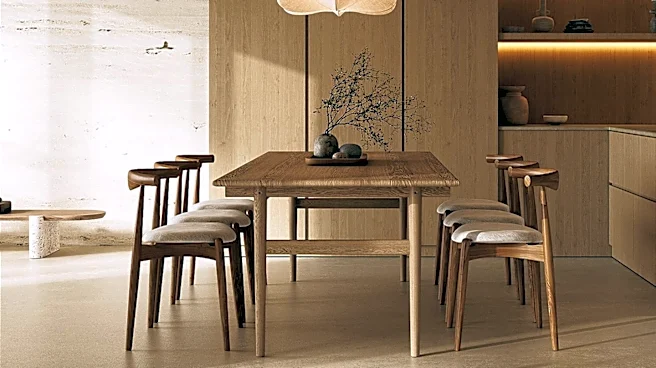
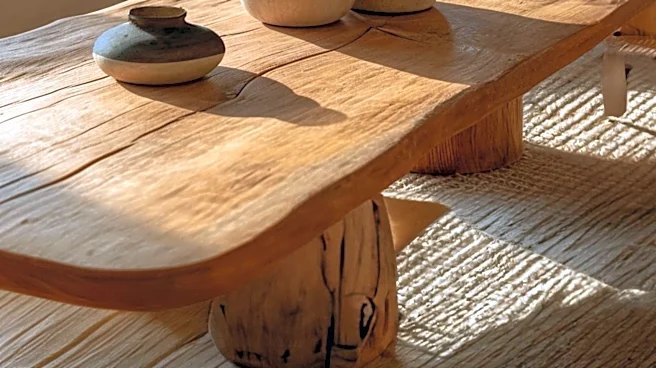
that are both serene and inviting. Key principles of Japandi include incorporating Japanese concepts such as 'ma,' which values empty space, and 'wabi-sabi,' an appreciation for natural imperfections and worn elements. The style advocates for a warm, three-tone color palette, prioritizing fewer, high-quality pieces of furniture that are kept low and light. Additionally, closed storage solutions are favored to maintain a clutter-free environment, enhancing the overall sense of calm and order. Natural textures and soft, warm lighting are integral to achieving the Japandi aesthetic, along with dedicated spaces for relaxation, such as a comfortable reading chair, and a small, functional dining area.
Why It's Important?
The rise of Japandi style reflects a broader societal shift towards mindfulness, sustainability, and intentional living, impacting the U.S. home decor and furniture industries. As consumers increasingly seek to declutter their lives and create more peaceful home environments, the demand for minimalist yet comfortable designs is growing. This trend encourages a move away from fast furniture and excessive consumption, promoting investment in durable, well-crafted pieces made from natural materials. For businesses, this means an opportunity to cater to a market segment that values quality, longevity, and ethical sourcing. It also influences interior designers and architects to integrate these principles into their projects, potentially leading to more sustainable and aesthetically harmonious living spaces across the country. The emphasis on natural elements and decluttering can also contribute to improved well-being for individuals, as studies suggest that organized and natural environments can reduce stress and enhance focus.
What's Next?
The Japandi style is expected to continue gaining traction in the U.S. interior design market, influencing product development in furniture, textiles, and home accessories. Manufacturers and retailers are likely to expand their offerings to include more pieces that align with this aesthetic, focusing on natural wood, neutral colors, and simple forms. We may see an increase in collaborations between Japanese and Scandinavian designers, further solidifying the style's presence. For consumers, this means more accessible options for creating Japandi-inspired homes, from ready-to-assemble furniture to curated decor collections. Educational content and workshops on implementing Japandi principles in various living spaces, particularly smaller ones, are also anticipated. The style's adaptability to different room sizes, by prioritizing either Scandinavian clean lines or Japanese intentionality based on lighting and clutter levels, suggests its broad appeal and potential for sustained growth.
Beyond the Headlines
Beyond its aesthetic appeal, the Japandi style embodies a philosophical approach to living that has deeper implications for American culture. It encourages a re-evaluation of consumer habits, promoting a 'less is more' mentality that contrasts with traditional consumerism. By valuing empty space ('ma') and embracing imperfections ('wabi-sabi'), Japandi challenges the pursuit of flawless, opulent interiors, instead fostering an appreciation for authenticity and the passage of time. This shift could lead to a greater emphasis on craftsmanship and the stories behind objects, rather than just their utility or trendiness. Ethically, it aligns with growing concerns about environmental impact, as natural materials and durable goods reduce waste. Culturally, it introduces Eastern philosophies into Western homes, potentially fostering a greater sense of calm, introspection, and connection to nature in daily life, moving beyond mere decoration to influence lifestyle choices.