






What's Happening?
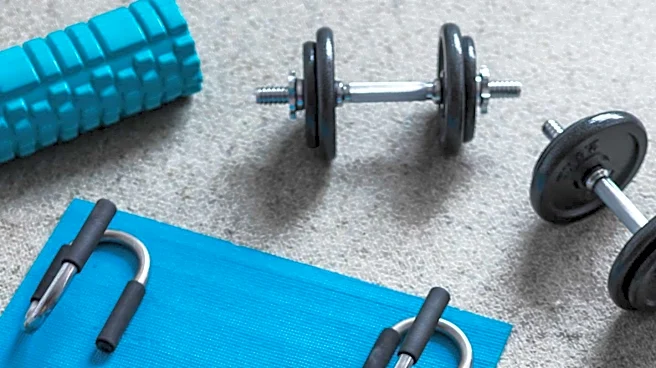
Recent insights into home fitness trends reveal a variety of effective strategies for managing weight gain during menopause. The focus is on combining aerobic activities such as brisk walking, swimming, cycling, or dancing with strength training exercises.
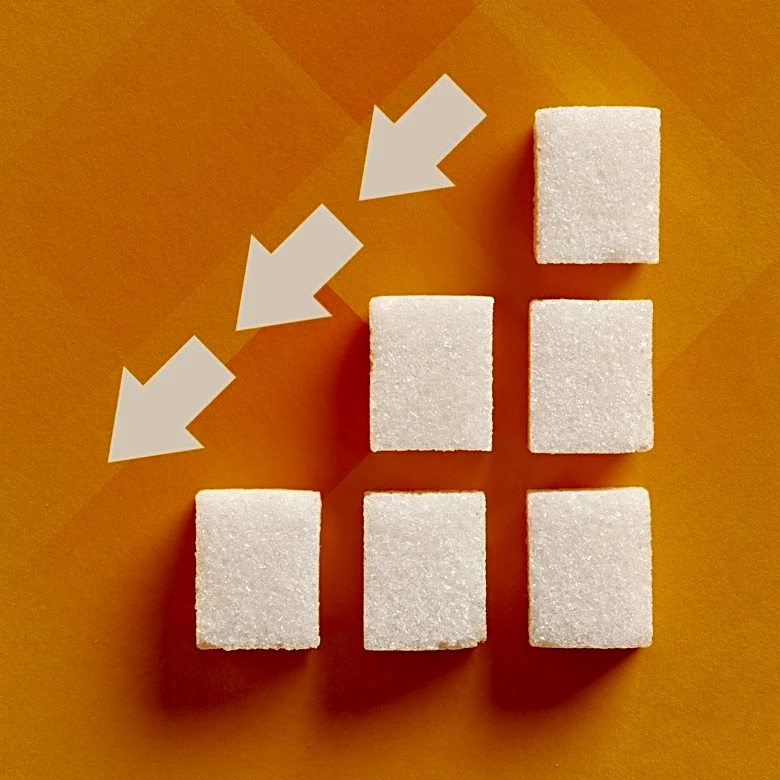
This approach is supported by a broad review of 101 studies involving 5,700 women, which found physical activity to be the most effective non-drug tool for improving body composition during menopause. The decline in estrogen levels during menopause affects the brain's ability to regulate weight, making it crucial to adapt exercise and dietary habits. A diet rich in vegetables, fruits, whole grains, and legumes, while avoiding ultra-processed foods, is recommended to support metabolic health and reduce weight gain.
Why It's Important?
The significance of these findings lies in their potential to empower women experiencing menopause with practical tools to manage weight gain, a common concern during this life stage. By understanding the physiological changes that occur during menopause, such as the decline in estrogen affecting weight regulation, women can adopt tailored fitness and dietary strategies. This not only helps in maintaining a healthy weight but also reduces the risk of obesity-related conditions such as heart disease and diabetes. The emphasis on a balanced diet and regular exercise underscores the importance of lifestyle modifications in promoting long-term health and well-being.
What's Next?
As awareness of these strategies grows, it is likely that more women will incorporate these fitness and dietary recommendations into their routines. Health professionals may increasingly advocate for personalized exercise and nutrition plans to address the unique challenges of menopause. Additionally, further research could explore the specific impacts of different types of exercise and dietary patterns on menopausal weight management, potentially leading to more refined guidelines and interventions.
Beyond the Headlines
Beyond the immediate benefits of weight management, these strategies may also contribute to broader societal shifts in how menopause is perceived and managed. By framing menopause as a natural phase that can be navigated with informed choices, there is potential to reduce stigma and promote a more positive narrative around aging and women's health. This could lead to increased support and resources for women during menopause, fostering a more inclusive and understanding environment.