





What's Happening?
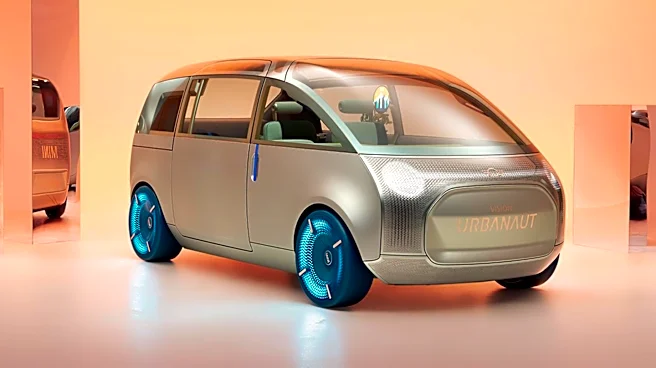
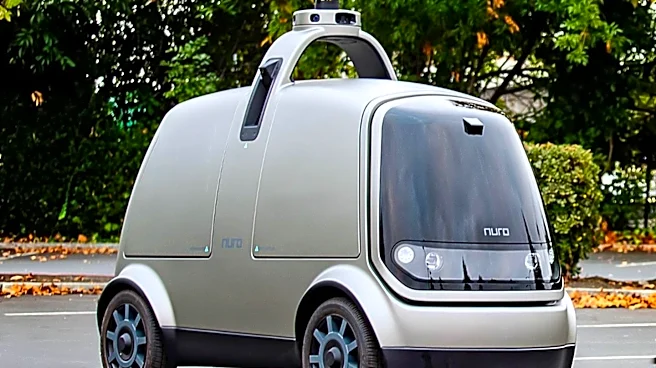
The autonomous vehicle industry in the U.S. is experiencing a regulatory tug-of-war as federal and local authorities take opposing stances. The National Highway Traffic Safety Administration (NHTSA) has recently made announcements to accelerate the development
and deployment of autonomous vehicle technology, including granting Zoox a temporary exemption from certain federal motor vehicle safety standards. This exemption allows Zoox to begin charging customers for rides in its custom-built robotaxi, starting in Las Vegas. However, local officials, such as San Francisco Mayor Daniel Lurie, are calling for stricter regulations following incidents where autonomous vehicles, like those operated by Waymo, interfered with emergency responders. In response, Rep. Kevin Mullin (D-Calif.) has proposed a bill to establish national safety standards for autonomous vehicle operators.
Why It's Important?
The differing approaches to autonomous vehicle regulation highlight the complexities of integrating new technologies into existing infrastructure and legal frameworks. The federal push to expedite autonomous vehicle deployment aims to foster innovation and maintain the U.S.'s competitive edge in the global tech landscape. However, local concerns about safety and the interaction of autonomous vehicles with emergency services underscore the need for comprehensive and balanced regulations. The outcome of this regulatory debate will significantly impact the future of the autonomous vehicle industry, influencing investment, technological development, and public acceptance.
What's Next?
As the debate over autonomous vehicle regulations continues, stakeholders from both the industry and government will likely engage in discussions to find a middle ground. The proposed federal bill could lead to the establishment of uniform safety standards, potentially easing local concerns. Meanwhile, companies like Zoox and Waymo may need to enhance their technologies to address safety issues and comply with evolving regulations. The resolution of these regulatory challenges will be crucial for the widespread adoption of autonomous vehicles in the U.S.