






What's Happening?
SkyWest Airlines, headquartered in St. George, Utah, serves millions of passengers monthly, connecting them to hundreds of destinations throughout North America. The airline operates in partnership with other carriers and emphasizes premium onboard experiences.
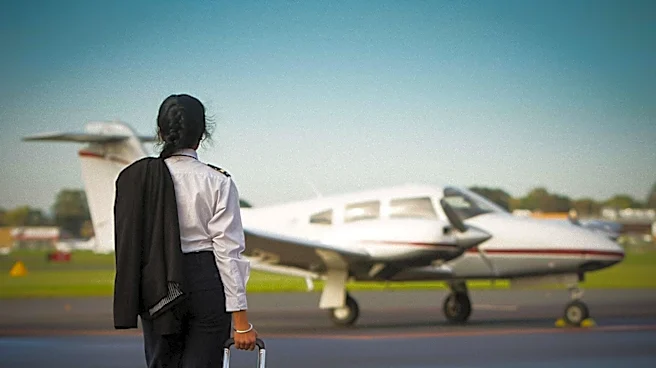
SkyWest has established a Pilot Pathway Program designed to provide a direct route for aspiring pilots to join the airline. This program offers benefits such as enhanced company seniority, a guaranteed interview (provided minimum hiring requirements are met), and mentorship opportunities with current SkyWest crewmembers. To be eligible, candidates must be active or former students of a SkyWest partner school, working towards becoming a commercial pilot. The program requires participants to be U.S. citizens or authorized to work in the U.S., at least 18 years old with a valid driver's license, and have no more than two check ride failures. Participants are also required to update their flight hours monthly through SkyWest Online. Elite partner students can join immediately upon starting flight training, while standard partner students need to hold a Private Pilot License, an Instrument Rating, and a Commercial Rating.
Why It's Important?
The SkyWest Pilot Pathway Program is significant for the U.S. aviation industry as it addresses the ongoing demand for qualified pilots. By offering a structured path and mentorship, SkyWest is actively investing in the future workforce of regional aviation. This initiative helps to secure a pipeline of skilled pilots, which is crucial for maintaining and expanding air travel connectivity across North America, particularly in smaller markets served by regional airlines. For aspiring pilots, the program provides a clear career trajectory and reduces uncertainty, potentially attracting more individuals to the profession. The guaranteed interview and enhanced seniority offer a competitive advantage in a demanding industry. For SkyWest, it ensures a steady supply of pilots who are already familiar with the company's culture and operational standards, contributing to operational efficiency and safety. This proactive approach to talent development can also influence other airlines to adopt similar programs, fostering a more robust and sustainable pilot supply chain for the entire U.S. airline sector.
What's Next?
SkyWest Airlines will continue to recruit and integrate pilots through its Pilot Pathway Program, strengthening its operational capabilities and network reach. The airline's ongoing partnerships with various flight schools, including ATP, AeroGuard, and Embry-Riddle Aeronautical University, will likely expand, further solidifying its talent acquisition strategy. As more pilots complete the program, SkyWest is expected to maintain its service to numerous destinations across North America, potentially exploring new routes or increasing flight frequencies based on market demand and pilot availability. The success of this program could also lead to its expansion or the introduction of similar pathway programs for other critical roles within the airline, such as maintenance technicians or flight attendants. The airline's commitment to providing premium onboard experiences and maintaining a strong operational presence suggests a continued focus on customer satisfaction and network reliability.
Beyond the Headlines
The SkyWest Pilot Pathway Program highlights a broader trend in the U.S. aviation industry: the strategic importance of talent development and retention. Beyond simply filling pilot vacancies, such programs foster a sense of loyalty and professional growth among aviation professionals. The emphasis on mentorship and early integration into the company culture can lead to higher job satisfaction and lower turnover rates, which are critical for an industry facing significant training costs and a competitive labor market. This model also underscores the symbiotic relationship between airlines and flight training institutions, where collaboration is essential for producing industry-ready professionals. Ethically, these programs ensure that pilots are not only technically proficient but also aligned with the airline's safety standards and customer service values from the outset. The long-term impact could be a more stable and experienced pilot workforce, contributing to enhanced safety records and a more reliable air travel experience for the public.