






What's Happening?
Gourmend Foods has published a comprehensive guide on low FODMAP mushrooms, detailing safe varieties, portion sizes, and culinary swaps for individuals managing digestive conditions like IBS. The guide emphasizes that not all mushrooms are low FODMAP,
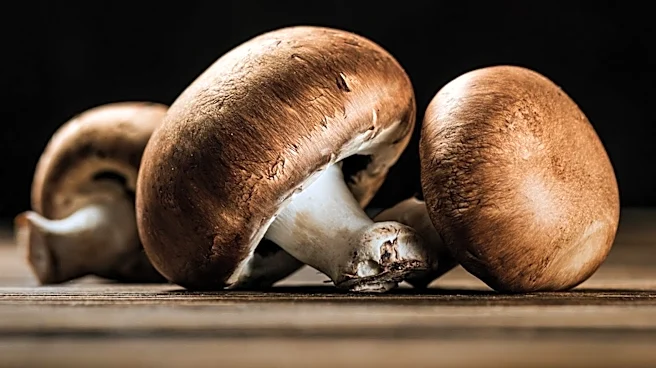
with significant differences based on variety, preparation, and serving size. Key takeaways include that oyster mushrooms and small amounts of dried shiitake are generally low FODMAP, while fresh button, cremini, and portobello mushrooms can trigger symptoms even in small servings due to high mannitol content. The drying process can reduce FODMAP content in shiitake, making dried versions safer in limited quantities. Canned champignons, when rinsed and drained, can also be low FODMAP. The guide provides gram-by-gram recommendations and advises on how to build savory depth in dishes without relying on high-FODMAP ingredients like onion and garlic, suggesting alternatives like Gourmend’s Low FODMAP Taco Seasoning.
Why It's Important?
This guide is crucial for individuals following a low FODMAP diet, as it provides precise, evidence-based information to help them safely incorporate mushrooms into their meals. Mushrooms are a common ingredient and a source of umami flavor, but their varying FODMAP content can make them challenging for those with digestive sensitivities. By clarifying which types and quantities are safe, Gourmend Foods empowers consumers to enjoy a wider range of foods without experiencing discomfort. This detailed guidance can improve the quality of life for many, reducing dietary restrictions and enhancing culinary experiences. It also highlights the growing demand for specialized dietary information and products that cater to specific health needs, influencing food manufacturers and recipe developers to be more precise with ingredient recommendations.
What's Next?
Consumers following a low FODMAP diet can utilize this guide to make informed choices when purchasing and preparing mushrooms. Gourmend Foods may continue to develop and promote products that align with low FODMAP guidelines, such as their allium-free seasonings, to support this community. The detailed information could also encourage other food brands and health professionals to provide more specific guidance on mushroom consumption for digestive health. Further research into the FODMAP content of various mushroom species and preparation methods might emerge, leading to even more refined dietary recommendations. The guide's emphasis on precise measurements suggests a trend towards greater scientific rigor in dietary advice for managing IBS and similar conditions.
Beyond the Headlines
The detailed breakdown of mushroom FODMAP content by Gourmend Foods underscores a broader shift in dietary advice towards personalized nutrition and precision. It moves beyond general food group restrictions to specific varieties, preparation methods, and exact portion sizes, reflecting a more sophisticated understanding of how food interacts with individual digestive systems. This level of detail can significantly reduce the trial-and-error process for individuals with IBS, leading to better symptom management and improved dietary adherence. Furthermore, the guide's focus on maintaining flavor through allium-free alternatives highlights the importance of culinary satisfaction in long-term dietary compliance, demonstrating that restrictive diets don't have to be bland. This approach could inspire more innovation in the development of flavor-enhancing ingredients suitable for various dietary restrictions.