

What's Happening?
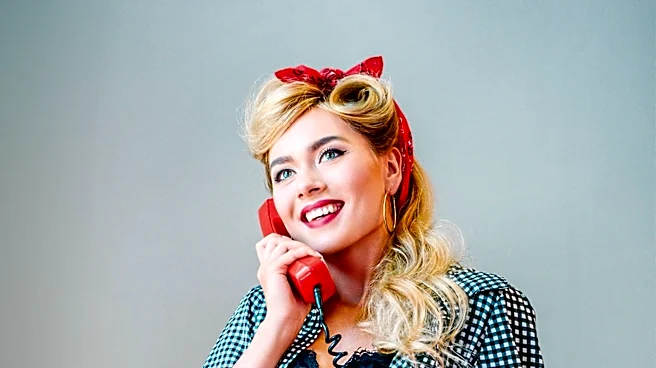
The modern pinup movement is actively incorporating gender-inclusive vintage fashion, moving beyond traditional representations to embrace a more diverse and representative aesthetic. This contemporary revival of pinup art and culture is characterized
by its commitment to body positivity and challenging conventional beauty standards. Modern pinup models and artists are celebrating a wide range of body types, ethnicities, and gender identities. This shift is a direct response to the growing awareness of the harmful effects of unrealistic beauty ideals, encouraging models to embrace their natural features and curves. The movement fosters self-acceptance and empowerment, contrasting with some of the more rigid representations of earlier eras. The community thrives on recreating the glamour and charm of the 1940s and 1950s through events, photo shoots, and fashion shows, while simultaneously adapting to contemporary values.
Why It's Important?
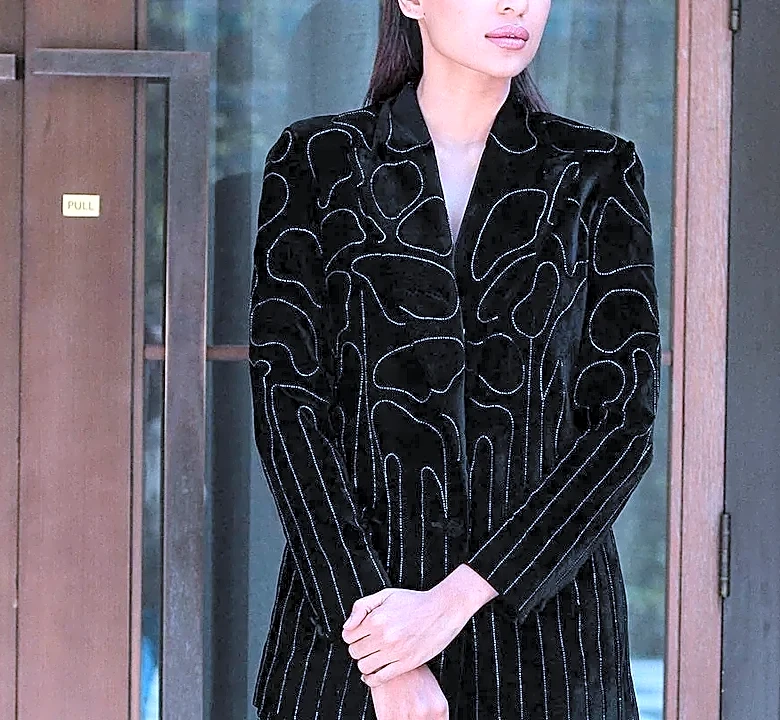
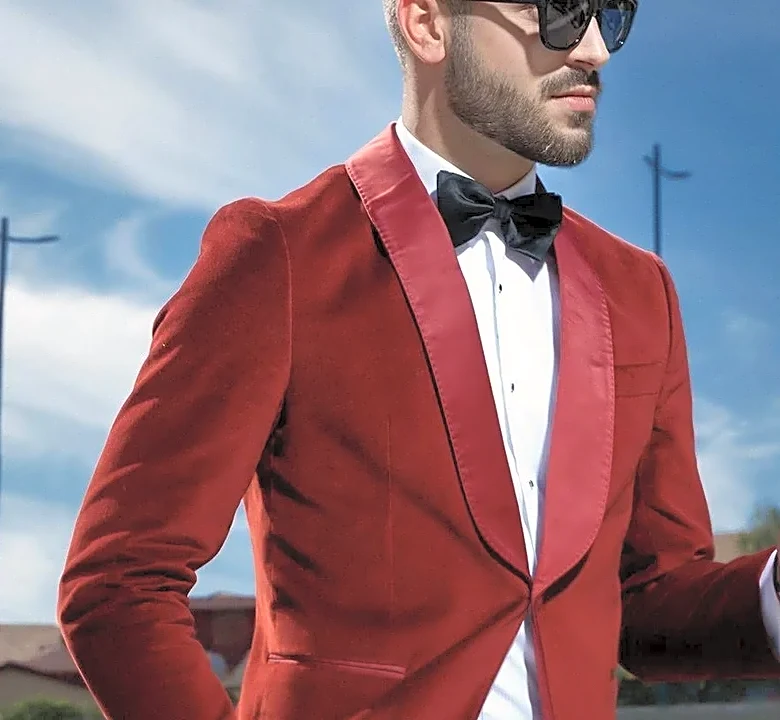
This evolution in the pinup movement signifies a broader cultural shift towards inclusivity and body positivity within fashion and art. By embracing gender-inclusive vintage fashion, the movement challenges long-standing beauty norms and provides a platform for diverse individuals to be celebrated. This is important for society as it promotes self-acceptance and empowers individuals who may not fit into traditional beauty standards. The impact extends to the fashion industry, encouraging designers and brands to consider more inclusive sizing and gender-neutral options, as seen on platforms like Etsy. This movement also demonstrates how historical aesthetics can be reinterpreted to align with modern social values, influencing contemporary art, fashion photography, and the broader conversation around representation and identity. It highlights the power of cultural movements to drive social change and redefine beauty.
What's Next?
The continued growth of the gender-inclusive pinup movement is likely to further influence mainstream fashion and media, pushing for greater diversity and representation. As more artists and models embrace this inclusive approach, there could be an increased demand for vintage-inspired clothing that caters to a wider range of body types and gender expressions. This trend may also encourage more brands to adopt gender-neutral clothing lines and marketing strategies. The movement's emphasis on body positivity is expected to continue challenging unrealistic beauty ideals, potentially leading to a more accepting and diverse portrayal of individuals in advertising and popular culture. Furthermore, the digital age will likely play a significant role in expanding the reach and influence of this movement, with social media platforms facilitating the sharing and dissemination of inclusive pinup art and fashion.
Beyond the Headlines
The embrace of gender-inclusive vintage fashion within the pinup movement reflects a deeper societal re-evaluation of gender roles and identity. Historically, pinup art often reinforced traditional gender roles and idealized feminine beauty. The modern interpretation, however, transcends these limitations by celebrating individuality and challenging the binary understanding of gender. This shift has ethical implications, as it promotes a more respectful and empowering representation of individuals, moving away from objectification. Culturally, it signifies a blending of nostalgia with progressivism, demonstrating how historical aesthetics can be recontextualized to serve contemporary social justice goals. This movement contributes to a broader cultural dialogue about authenticity, self-expression, and the evolving nature of beauty standards in a diverse society, fostering a more inclusive visual landscape.