







What's Happening?
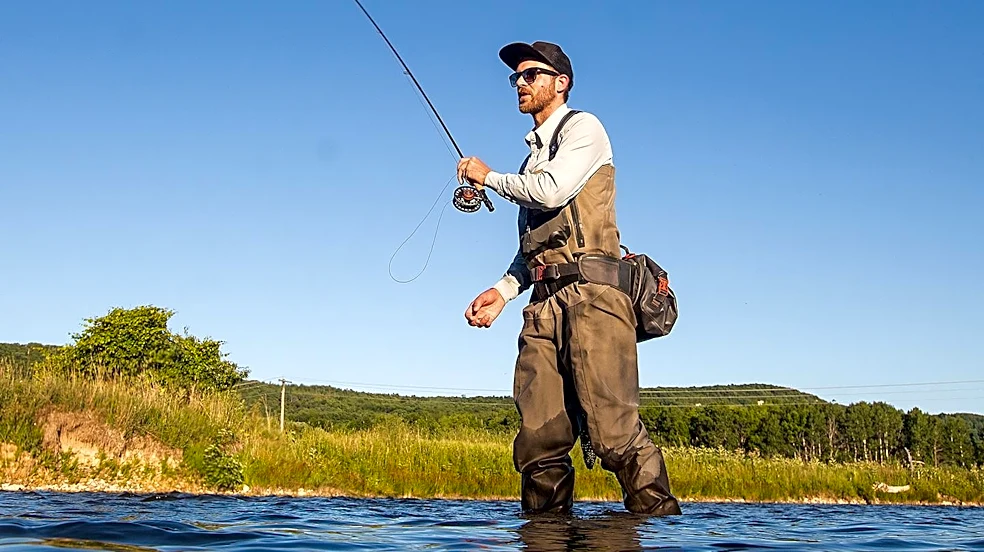
A unique fly-fishing experience in British Columbia's Cariboo Mountains involves using a helicopter to access remote, emerald-green rivers for bull trout. Anglers are flown into secluded spots, allowing them to target large bull trout during their pre-spawn
migration. The method provides unparalleled flexibility, as the helicopter can quickly relocate anglers if fish are not found in a particular area. This 'spoiled rotten' approach contrasts with traditional backcountry fishing, offering amenities like comfortable lodging, gourmet meals, and immediate access to prime fishing locations. The bull trout, native char known for their predatory nature, migrate up major rivers like the Fraser, Okanagan, Kootenai, and Columbia, seeking colder, clear waters in the high country.
Why It's Important?
This specialized form of fly fishing highlights a growing niche in the outdoor tourism industry, catering to those seeking exclusive and efficient access to remote natural environments. While offering an exceptional experience for participants, it also raises questions about the environmental impact of such high-access activities on delicate ecosystems. The ability to quickly move between locations could potentially increase fishing pressure on previously inaccessible areas. Economically, it supports a luxury tourism sector, providing business for helicopter services, lodges, and specialized guides. For the bull trout, a species often misunderstood, this type of focused angling can contribute to a better understanding of their behavior and habitats, though careful management is crucial to ensure sustainable practices given their importance as apex predators in their ecosystems.
What's Next?
The continued popularity of such high-end, accessible outdoor adventures suggests a potential for growth in similar niche tourism markets. Operators will likely continue to refine their offerings, potentially incorporating more conservation-focused elements or educational components to address environmental concerns. For anglers, the pursuit of large, migratory bull trout will remain a significant draw, particularly during their peak migration periods from July to September. The success of these operations may also inspire other regions with similar remote natural resources to develop comparable luxury outdoor experiences, balancing accessibility with ecological preservation. The focus will remain on providing a premium, efficient, and memorable angling experience.
Beyond the Headlines
This 'spoiled rotten' approach to fly fishing subtly reflects broader societal trends where convenience and exclusivity are increasingly valued, even in activities traditionally associated with rugged self-reliance. It underscores a shift in how some individuals engage with nature, moving from arduous expeditions to curated, comfortable experiences. The use of helicopters transforms the challenge of wilderness access into a logistical detail, altering the traditional narrative of the 'hard-earned' outdoor adventure. This can lead to a re-evaluation of what constitutes an authentic outdoor experience and how technology mediates our interaction with the natural world. It also highlights the economic stratification within outdoor recreation, where access to pristine environments can be significantly enhanced by financial means, potentially creating a divide between different types of outdoor enthusiasts.