







What's Happening?
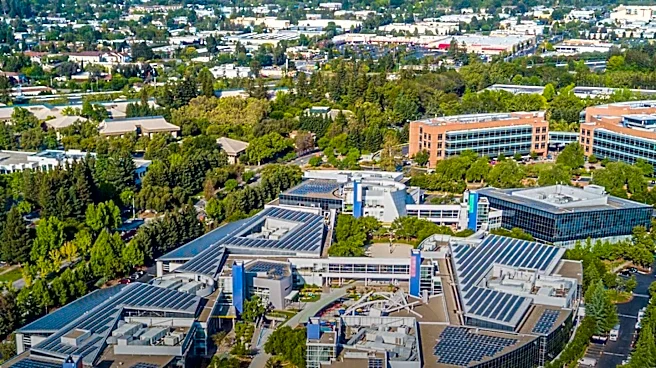
ServiceNow, a tech company based in Santa Clara, California, has announced the layoff of nearly 300 employees across its offices in Santa Clara and San Diego. This decision is part of a broader strategy to pivot towards artificial intelligence (AI) and streamline
operations. The layoffs, which will take effect on September 28, 2026, are part of the company's efforts to maintain its workforce size at the beginning of the year, despite having grown by approximately 1,000 employees. ServiceNow's CEO, Bill McDermott, had previously indicated that more layoffs were anticipated as the company seeks to align its workforce with its strategic focus on AI. The company, originally founded as Glidesoft in 2003, specializes in cloud-based software for managing business workflows in HR, IT, and customer service.
Why It's Important?
The layoffs at ServiceNow highlight a significant trend in the tech industry, where companies are increasingly focusing on AI to drive future growth. This shift is leading to workforce restructuring as businesses seek to optimize their talent pool for AI-related roles. The decision by ServiceNow reflects a broader industry movement towards automation and AI, which is expected to reshape job markets and skill requirements. The impact of these layoffs extends beyond the affected employees, as it signals a potential shift in employment patterns within the tech sector, with a growing emphasis on AI skills. This could lead to increased demand for AI expertise and a corresponding decline in roles that are less aligned with this technology.
What's Next?
As ServiceNow continues its transition towards AI, the company is likely to focus on hiring talent with AI-focused skills. This strategic shift may influence other tech companies to follow suit, potentially leading to more layoffs and restructuring within the industry. Stakeholders, including employees, investors, and industry analysts, will be closely monitoring how ServiceNow and similar companies manage this transition. The broader implications for the tech workforce could include a reevaluation of skill sets and training programs to meet the demands of an AI-driven market.