



What's Happening?
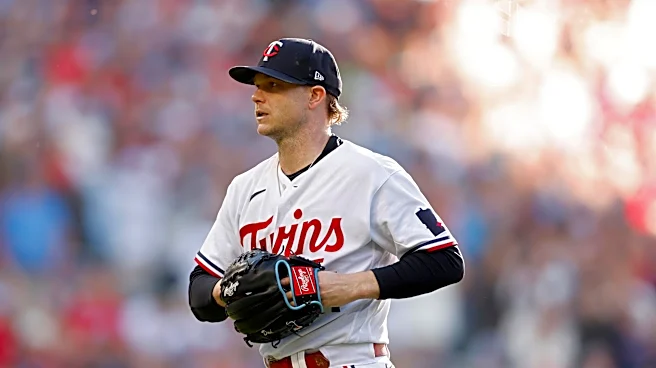
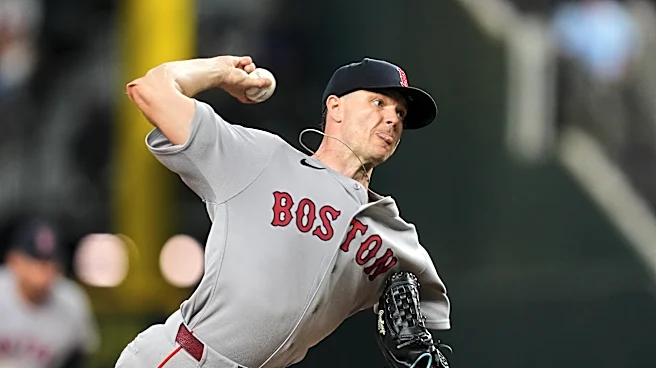
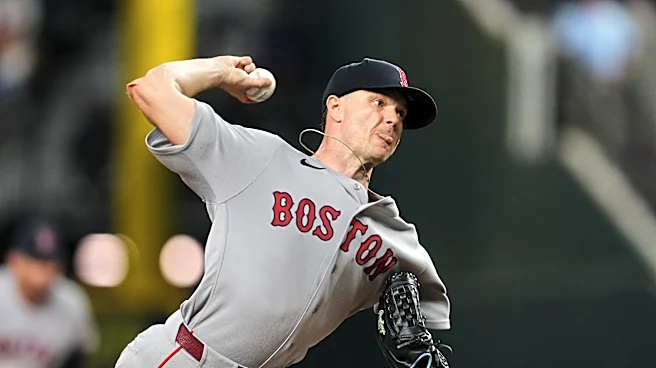
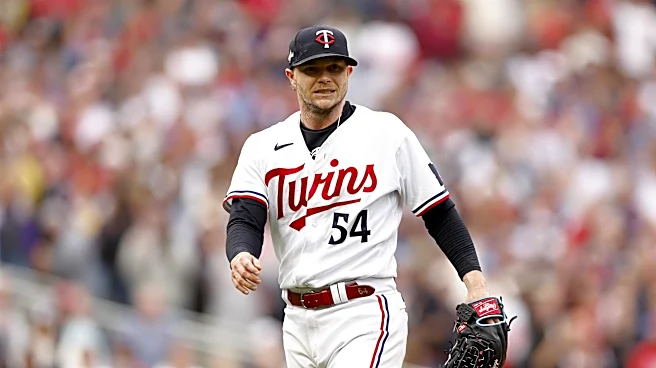
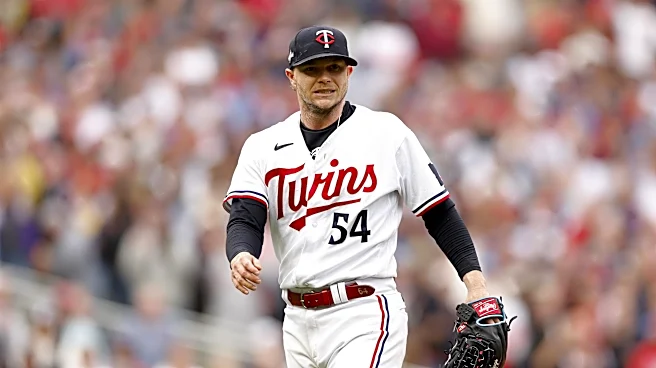
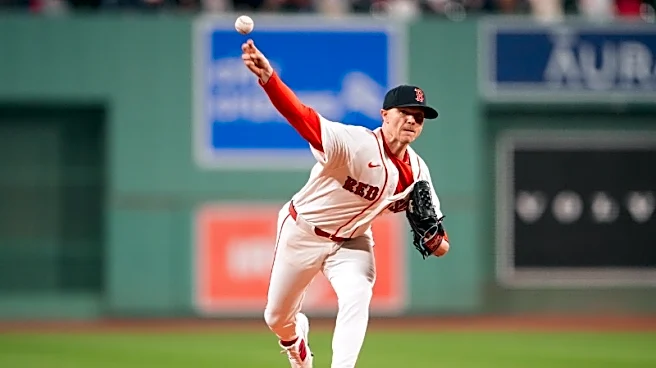
Minnesota Twins Chairman Tom Pohlad has fulfilled his commitment to increased offseason spending by signing pitcher Sonny Gray to a two-year, $55 million deal. This move brings Gray back to the Twins after a career-best season with the Boston Red Sox,
where he achieved 18 wins, a 2.72 ERA across 169 innings, and 149 strikeouts. Gray also led the American League in winning percentage and finished fifth in the AL Cy Young vote. His return significantly strengthens the Twins' pitching rotation, which now includes Joe Ryan, Pablo Lopez, Taj Bradley, Dean Kremer, Bailey Ober, Zebby Matthews, and Connor Prielipp. Additionally, catcher Ryan Jeffers accepted a one-year qualifying offer of $23.15 million, with the limited negotiating window before an expected lockout cited as a factor in his decision.
Why It's Important?
The acquisition of Sonny Gray represents a substantial investment by the Minnesota Twins, signaling a strong intent to compete at a high level. Gray's proven performance, particularly his career year, adds a top-tier arm to the team's rotation, which is crucial for success in Major League Baseball. This financial commitment from the Pohlad family could set a new precedent for the team's spending habits, potentially influencing future player acquisitions and retention strategies. The deal also highlights the impact of impending labor negotiations, as the expected lockout influenced Ryan Jeffers' decision to accept a qualifying offer, demonstrating how such deadlines can shape player contracts and team rosters. The strengthened rotation could improve the Twins' chances in the AL Central, impacting divisional standings and playoff contention.
What's Next?
The immediate focus for the Minnesota Twins will be integrating Sonny Gray into their pitching staff and preparing for the upcoming season. However, the looming threat of a lockout in 2027 introduces significant uncertainty regarding the future of player contracts, including Gray's and Jeffers' deals. Gray has an opt-out clause after his first year, raising questions about its applicability if the 2027 season is affected by a lockout. Similarly, the status of Jeffers' one-year deal could be impacted. The team will also monitor the development of catching prospect Vahn Lackey, who was the Twins' third overall pick in the 2026 draft. His potential readiness for the big leagues by 2028 could influence future decisions regarding the catcher position, particularly after Jeffers' current contract expires.
Beyond the Headlines
The Twins' significant investment in Sonny Gray, coupled with the uncertainty surrounding a potential lockout, underscores the complex financial and labor dynamics within professional sports. The 'team-friendly' nature of some deals, as noted in the source, suggests a strategic approach to managing payroll while navigating potential disruptions. The situation also highlights the broader implications of collective bargaining agreements on player movement and team building. The performance of prospects like Vahn Lackey, who had an impressive collegiate career, is critical for long-term team sustainability and could influence future roster constructions and financial allocations. The interplay between immediate competitive goals and long-term organizational planning, especially in the face of labor disputes, remains a central challenge for sports franchises.