




What's Happening?
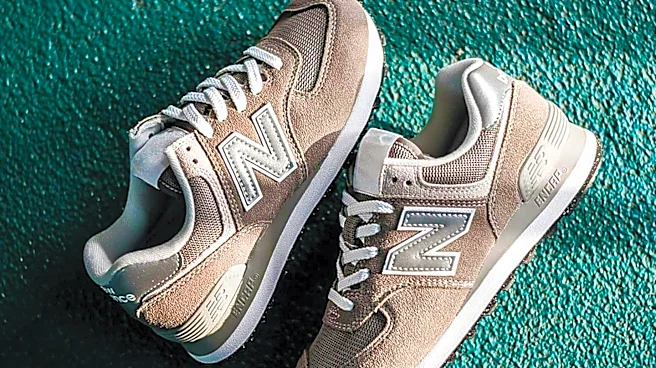
New Balance, a privately held company based in Boston, reported global sales of $9.2 billion for 2025, marking a 19% increase from 2024. This represents the fifth consecutive year of double-digit growth for the brand, accompanied by market-share gains.
North America saw over 20% growth, while Europe experienced more than 30% growth. The company's apparel business and owned retail channels each surpassed $1 billion in sales for the first time. New Balance employs 14,000 people and maintains manufacturing facilities in five locations in New England and one in Flimby, Cumbria. President and chief executive Joe Preston highlighted a long-term extension of their partnership with the TCS New York City Marathon and the 'Run Your Way' campaign at the World Athletics Championships in Tokyo, alongside a roster of elite athletes including Sydney McLaughlin-Levrone and Femke Bol.
Why It's Important?
New Balance's sustained double-digit growth and significant sales figures underscore its strong position in the competitive athletic footwear and apparel market. The expansion of its apparel and retail segments indicates a successful diversification strategy beyond its core footwear business. The long-term partnership with the TCS New York City Marathon is crucial for brand visibility and credibility within the running community, reinforcing its commitment to performance sports. This growth trajectory suggests a robust business model and effective marketing strategies, including leveraging high-profile athletes, which can influence consumer purchasing decisions and market trends in the U.S. and globally. The company's continued domestic manufacturing also highlights its unique operational approach compared to many competitors.
What's Next?
New Balance is expected to continue its growth trajectory by focusing on strategic partnerships, product innovation, and expanding its global footprint. The emphasis on performance running, as evidenced by its athlete roster and marathon sponsorships, suggests ongoing investment in research and development for its FuelCell racing shoes and other athletic gear. The company will likely aim to further integrate its apparel and retail segments to create a more cohesive brand experience. Future business updates will be anticipated to see if New Balance can maintain its double-digit growth and continue to gain market share in an increasingly saturated market, particularly as it navigates consumer preferences and economic shifts.
Beyond the Headlines
New Balance's success as a privately held company with significant manufacturing operations in the U.S. offers a compelling counter-narrative to the prevailing trend of outsourcing and public ownership in the sportswear industry. This approach allows for greater control over product quality and supply chain, potentially fostering stronger brand loyalty among consumers who value domestic production. The brand's ability to compete effectively with larger, publicly traded rivals like Nike and Adidas, despite not disclosing specific running revenue figures, speaks to the strength of its brand identity and consumer trust. This model could serve as an example for other companies seeking to balance growth with a commitment to local manufacturing and a distinct brand ethos.