







What's Happening?
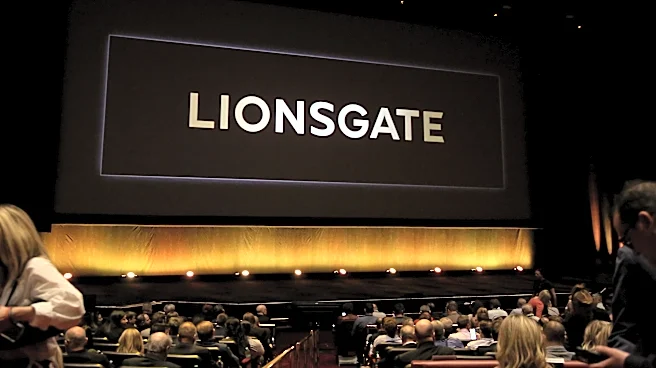
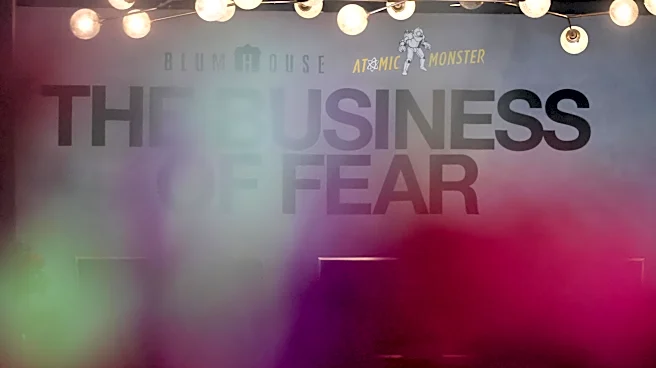
Blumhouse CEO and president Jason Blum, Atomic Monster founder James Wan, and Blumhouse Atomic President Abhijay Prakash recently convened at an industry gathering in Los Angeles to discuss the future direction of Blumhouse Atomic. The discussion, titled
“The Business of Fear,” addressed the implications of the merger between Blumhouse and Atomic Monster. Wan clarified that the merger is primarily an administrative decision, with both production labels maintaining their individual creative identities. The company has seen significant box office success, with films like 'Obsession' and 'Backrooms' achieving high returns on investment. Moderator Ray Subers, head of film at National Research Group, noted a 7% rise in horror film theatrical attendance in 2026 compared to pre-pandemic levels, while other genres saw decreases. Blum attributed this to audiences seeking collective experiences post-pandemic, likening horror films to concerts or sporting events due to their participatory nature. The panel also outlined a 2027 release schedule featuring 10 films, with seven from “emerging voices,” though concerns were raised about the lack of female and Black directors among these new talents.
Why It's Important?
The discussion highlights the evolving landscape of the U.S. entertainment industry, particularly within the horror genre. Blumhouse Atomic's continued box office dominance, driven by high return on investment, underscores the financial viability of horror films and their appeal to audiences seeking communal experiences. This trend could influence investment strategies across Hollywood, potentially leading to more resources allocated to horror productions and similar participatory cinematic events. However, the noted lack of diversity among emerging directors, specifically women and Black filmmakers, raises critical questions about equitable opportunities within the industry. While Blum emphasized efforts to reflect audience demographics, the current slate suggests a disparity that could impact the industry's long-term inclusivity and representation. The success of horror in theaters also indicates a shift in consumer behavior, with audiences prioritizing out-of-home entertainment for specific genres, which could reshape distribution strategies for other film types.
What's Next?
Blumhouse Atomic has a robust theatrical slate planned for 2027, including titles like 'River,' 'The Revenge of La Llarona,' 'Exorcist: Martyrs,' 'Play House,' 'Anything But Ghosts,' 'Molepeople,' 'Blair Witch,' 'Sleepover,' 'Paranormal Activity,' and 'Seasons.' The company's commitment to 'emerging voices' will be closely watched, particularly regarding efforts to address the current lack of diversity among these new directors. Future announcements and releases will reveal whether Blumhouse Atomic can translate its stated commitment to reflecting its audience into tangible opportunities for a broader range of filmmakers. The continued performance of horror films at the box office will also serve as a key indicator for the broader theatrical market, influencing how other studios approach their release strategies and genre focus in the coming years.
Beyond the Headlines
The conversation around Blumhouse Atomic's success and its directorial diversity challenges points to deeper systemic issues within the U.S. film industry. The emphasis on 'emerging voices' without corresponding representation for women and Black directors suggests that while new talent is being sought, the pathways to mainstream opportunities may still be uneven. This could perpetuate a cycle where certain demographics are underrepresented in key creative roles, potentially limiting the range of stories told and perspectives shared on screen. The comparison of horror films to concerts and sporting events also highlights a cultural shift towards valuing shared, immersive experiences, which could have broader implications for how entertainment is consumed and marketed in an increasingly digital world. Addressing the diversity gap will require more than platitudes, demanding concrete actions and transparent accountability from major studios like Blumhouse Atomic to foster a truly inclusive filmmaking environment.