




What's Happening?
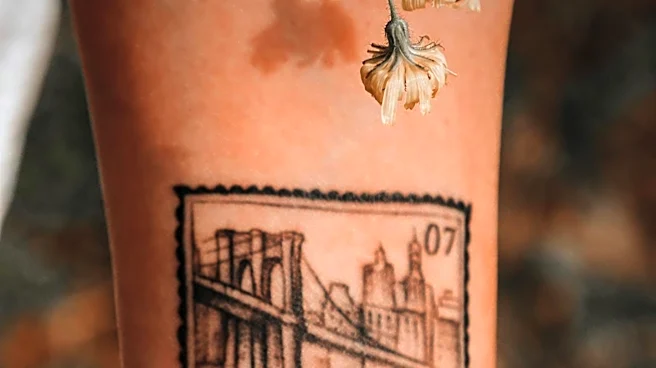
Minimalist tattoo designs are experiencing a surge in popularity, characterized by pure lines, essential shapes, and motifs reduced to their most basic expression. This trend emphasizes precision and intentionality, with designs like hearts, mountains,
or waves executed with minimal strokes. Fine line tattooing, which uses ultra-fine single-needle lines, is particularly favored for its ability to create miniature floral motifs, decorative hairlines, and clean symbols. The appeal of these simple tattoos lies in their timelessness, their ability to age beautifully without overwhelming the eye, and their capacity to convey significant meaning through restraint. They are also becoming a popular choice for first-time tattoo recipients due to their affordability, shorter session times, minimal pain, and elegant results. The 'less is more' philosophy is central to this trend, requiring highly skilled tattoo artists to ensure every line is perfect, as there is no elaborate detail to mask imperfections.
Why It's Important?
This trend holds significant implications for the U.S. tattoo industry, influencing artist training, studio offerings, and client demand. Tattoo artists will increasingly need to hone their precision and fine-line techniques to meet the rising demand for minimalist designs, potentially leading to specialized training programs or a focus on this style within existing apprenticeships. Studios may adapt their portfolios and marketing to highlight their expertise in minimalist and fine-line work, attracting a new demographic of clients who prefer subtle and understated body art. The affordability and lower pain associated with these tattoos could also broaden the market, making tattoos more accessible and appealing to individuals who might have previously been hesitant due to cost or discomfort. This shift could also impact the long-term perception of tattoos, moving them further into the realm of subtle personal expression rather than bold statements, thereby increasing their acceptance in various professional and social settings.
What's Next?
The continued rise of minimalist tattoos suggests several future developments within the industry. We can anticipate an increase in the number of tattoo artists specializing in fine-line and single-needle techniques, leading to a higher standard of precision in the craft. Tattoo studios may begin to offer dedicated 'minimalist design' consultations, guiding clients through simplified motifs and placements. The trend could also spur innovation in tattoo aftercare products tailored for delicate, fine-line tattoos, ensuring their longevity and clarity. Furthermore, as more people opt for subtle designs, there might be a corresponding increase in demand for discreet placement areas such as wrists, ankles, behind the ear, and the nape of the neck. This could lead to a broader acceptance of visible tattoos in professional environments, as their understated nature makes them less conspicuous than traditional, larger pieces.
Beyond the Headlines
Beyond the immediate impact on the tattoo industry, the minimalist tattoo trend reflects a broader cultural movement towards intentionality and understated elegance. In an increasingly complex and visually saturated world, individuals may be seeking ways to express themselves that are subtle, personal, and enduring. This preference for 'less is more' in body art can be seen as a counter-response to maximalist trends, emphasizing quality and meaning over quantity and flashiness. Ethically, it encourages a more thoughtful approach to permanent body modifications, as the simplicity of the design places greater emphasis on the underlying meaning and the skill of the artist. This trend also highlights the evolving relationship between individuals and their personal aesthetics, where self-expression is valued not just for its visibility but for its intrinsic significance and timeless appeal.