





What's Happening?
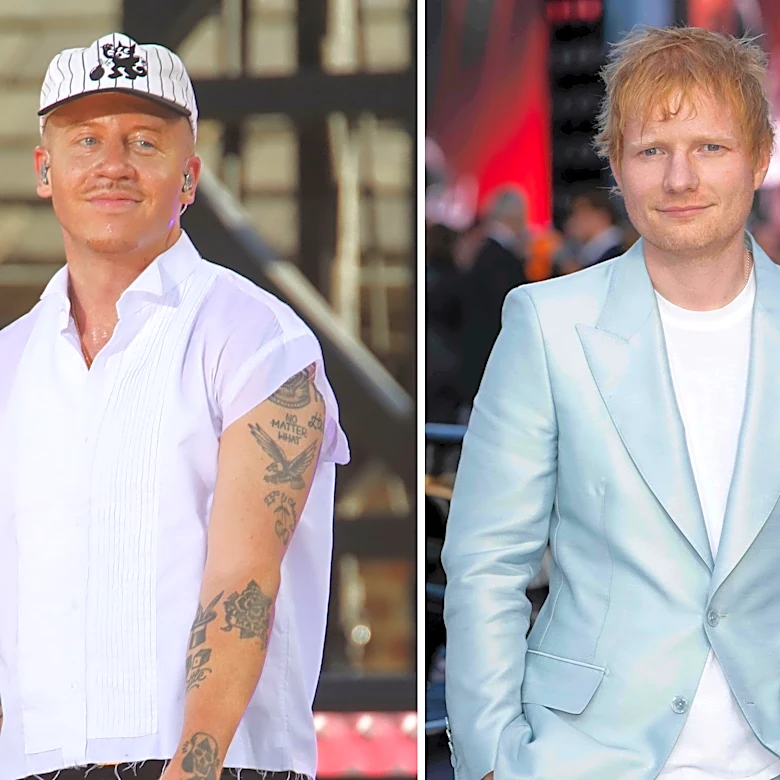
New England Patriots owner Robert Kraft has confirmed that rapper Macklemore was removed from Ed Sheeran's upcoming shows at Gillette Stadium. Kraft, who also owns the venue, stated that the decision was made due to Macklemore's pro-Palestinian views
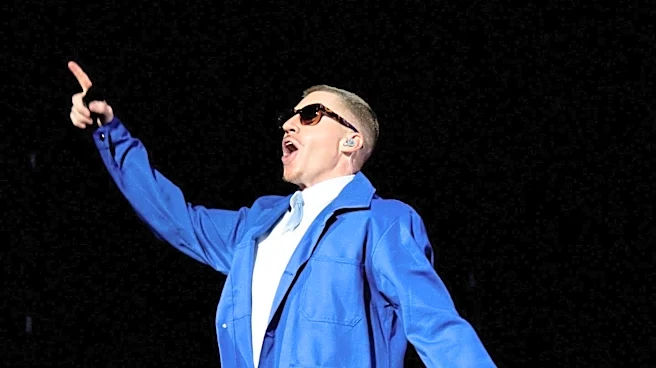
and actions, which he believes provide a platform for hate speech. According to Kraft, Macklemore's recent actions, including material shared during Ed Sheeran's New Jersey shows and a broader history of what Kraft described as antisemitic rhetoric and imagery, were deeply offensive and hurtful to the Jewish community. Messina Touring Group, the promoter for the U.S. leg of Sheeran's tour, corroborated that venues on upcoming U.S. tour dates would not permit a concert with Macklemore on the lineup. Macklemore had previously shared pro-Palestinian views, led a 'Free Palestine' chant, and performed his protest song 'Hind's Hall' during his opening acts for Sheeran.
Why It's Important?
This incident highlights the increasing tension and polarization surrounding the Israeli-Palestinian conflict within the entertainment industry and public sphere in the U.S. The decision by a prominent venue owner like Robert Kraft to remove an artist based on their political stance underscores the potential for significant repercussions for performers who express controversial views. It also raises questions about freedom of speech versus the responsibility of venue owners to maintain a welcoming environment for all guests. For artists, this situation could lead to self-censorship or a more cautious approach to expressing political opinions, particularly on sensitive international issues. The involvement of multiple venue owners in an ultimatum to Ed Sheeran suggests a coordinated effort that could set a precedent for how political activism is handled in large-scale entertainment events, potentially impacting tour logistics and artist selection across the industry.
What's Next?
Macklemore's removal from the tour is likely to spark further debate regarding artistic freedom, venue policies, and the intersection of entertainment with political activism. Ed Sheeran is scheduled to perform next in Philadelphia, and it remains to be seen if other venues will follow suit or if this incident will lead to broader discussions within the music industry about handling artists' political expressions. Macklemore's statement expressed hope that his 13-year friendship with Sheeran would not end due to this disagreement, indicating potential for continued dialogue between the artists. The incident may also prompt other artists and promoters to re-evaluate their stances on political content during performances and the potential consequences from venue owners and sponsors.
Beyond the Headlines
This event delves into the complex interplay between artistic expression, corporate responsibility, and geopolitical issues. It brings to the forefront the ethical considerations for businesses, particularly venue owners, in navigating highly sensitive political topics. The concept of 'hate speech' and its interpretation becomes a critical point of contention, as what one party deems offensive, another may consider legitimate political commentary. This situation could contribute to a chilling effect on political discourse within the arts, where artists might feel pressured to adopt an 'apolitical stance' to avoid career repercussions. It also highlights the power dynamics within the entertainment industry, where venue owners and promoters can significantly influence an artist's ability to perform and reach their audience, especially when their views diverge from those of powerful stakeholders.