





What's Happening?
The U.S. semiconductor demand in the data center market is experiencing robust growth, fueled by substantial investments in artificial intelligence (AI) infrastructure, hyperscale data centers, and advanced computing technologies. North America, particularly
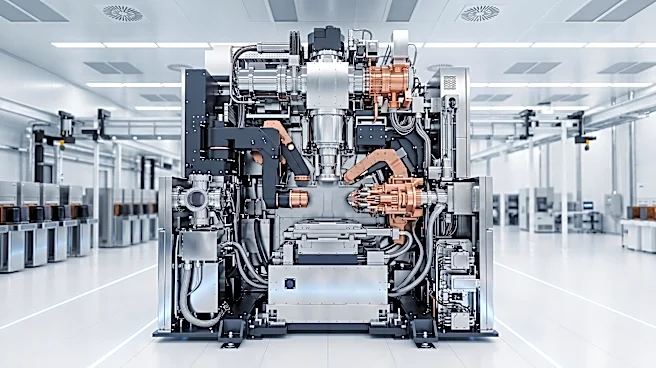
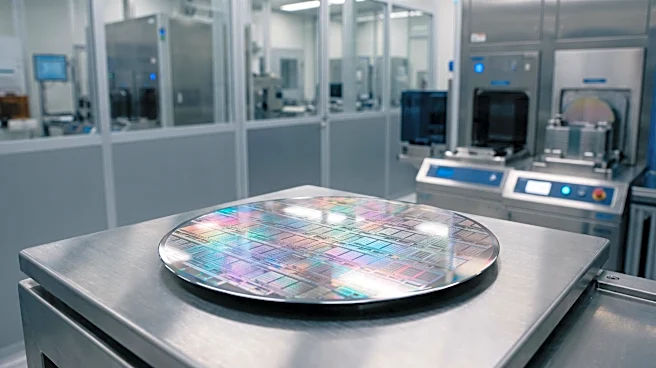
the U.S., dominated the market in 2025 with a 36.7% revenue share, attributed to the strong presence of major cloud service providers, leading semiconductor manufacturers, and significant AI investments. The increasing adoption of generative AI, cloud computing, and high-performance computing is accelerating the consumption of semiconductors across data center applications. This includes a rising demand for processors, GPUs, high-bandwidth memory (HBM), and networking chips. The market is also benefiting from growing investments in domestic semiconductor manufacturing and advanced packaging capabilities, further strengthening its growth. However, challenges such as high capital investment for advanced manufacturing and increasing power consumption of AI processors are noted as potential constraints.
Why It's Important?
The surging demand for semiconductors in U.S. data centers underscores the nation's pivotal role in the global digital economy and its leadership in AI and cloud computing. This growth is critical for maintaining technological competitiveness and supporting the vast infrastructure required for modern digital services. The increased investment in domestic semiconductor manufacturing is vital for national security, reducing reliance on foreign supply chains and mitigating risks associated with geopolitical instability. It also creates high-value jobs and fosters innovation within the U.S. The emphasis on high-performance processors and HBM highlights the transformative impact of AI workloads, which demand significantly more computing power and memory bandwidth. Companies like NVIDIA, Intel, and AMD stand to gain significantly from this trend, as their advanced chips are essential for these applications. Conversely, the high costs and energy requirements of advanced semiconductor manufacturing pose challenges for smaller data center operators and could lead to supply shortages if manufacturing capacity doesn't keep pace with demand.
What's Next?
The U.S. data center semiconductor market is projected to continue its rapid expansion, driven by ongoing advancements in AI and cloud technologies. Investments in hyperscale data centers and AI infrastructure are expected to intensify, leading to sustained demand for high-performance semiconductors. Semiconductor manufacturers will likely focus on developing more energy-efficient and powerful chips to address the increasing power consumption challenges. The trend towards domestic manufacturing, supported by government initiatives, is anticipated to strengthen, aiming to secure a more resilient supply chain. Furthermore, the memory segment, particularly HBM, is projected to be the fastest-growing component type, indicating a continued shift towards memory-intensive computing. The market will also see continued innovation in networking equipment and power management systems to support the growing complexity and scale of data center operations.
Beyond the Headlines
The rapid growth in U.S. data center semiconductor demand reflects a fundamental shift in how data is processed and utilized, moving towards an era dominated by AI and massive cloud infrastructure. This shift has profound implications for energy consumption, as data centers are becoming increasingly power-hungry, raising concerns about environmental sustainability and grid stability. The need for advanced cooling and power management systems will become paramount, driving innovation in these areas. Moreover, the concentration of advanced semiconductor manufacturing in a few regions, even with domestic expansion, raises questions about global equity and access to critical technologies. The ethical considerations surrounding AI, such as data privacy and algorithmic bias, are also intrinsically linked to the underlying hardware infrastructure. The long-term impact will involve not only technological advancements but also significant societal and environmental adjustments to accommodate the demands of an increasingly data-driven world.