



What's Happening?
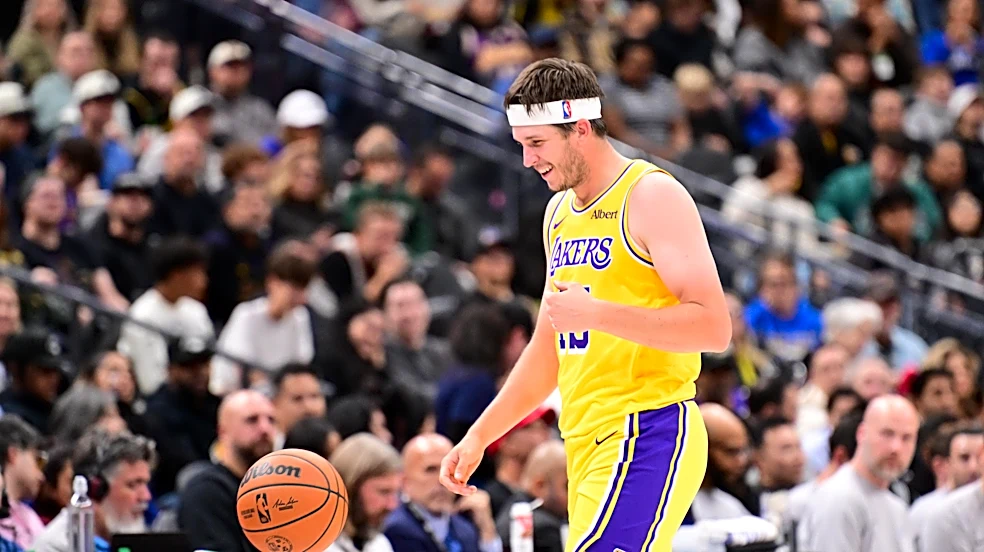
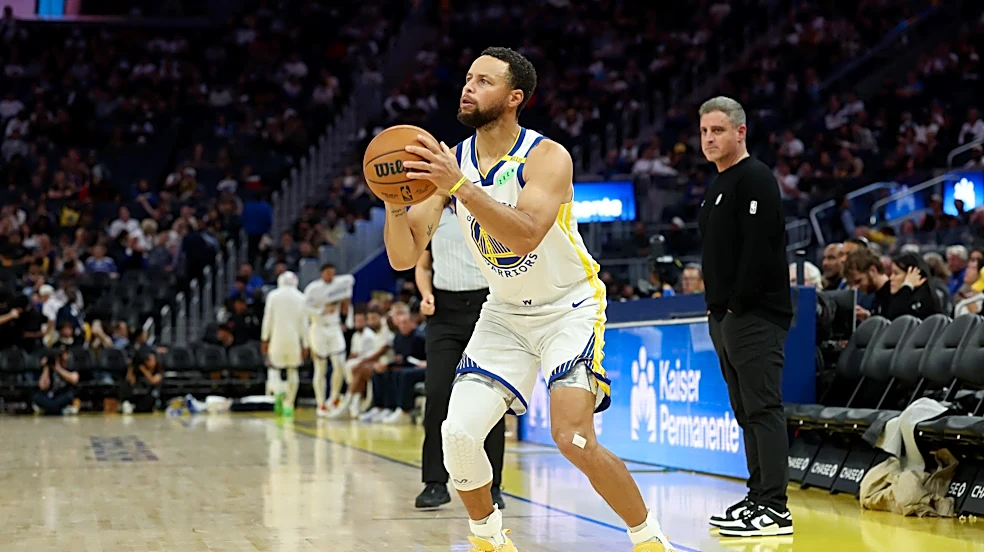
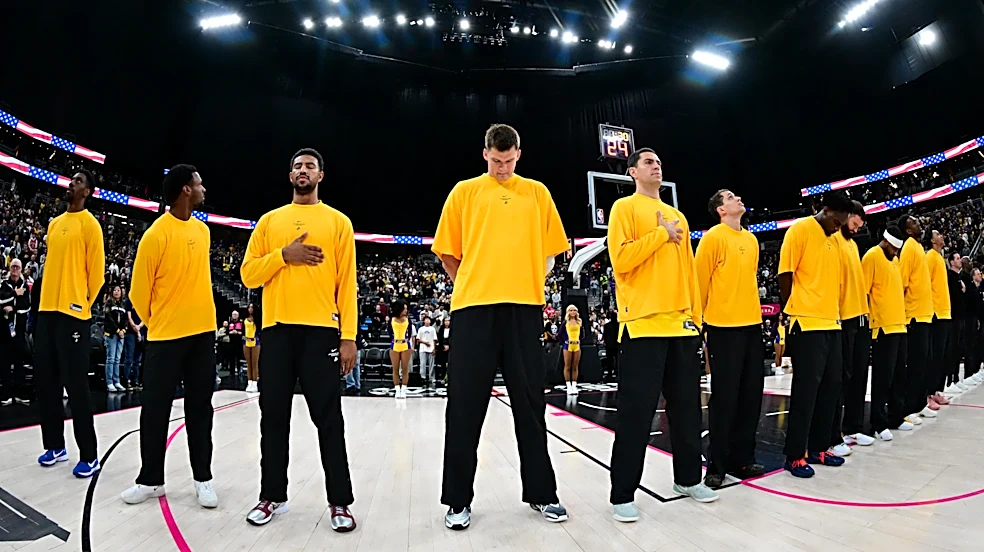
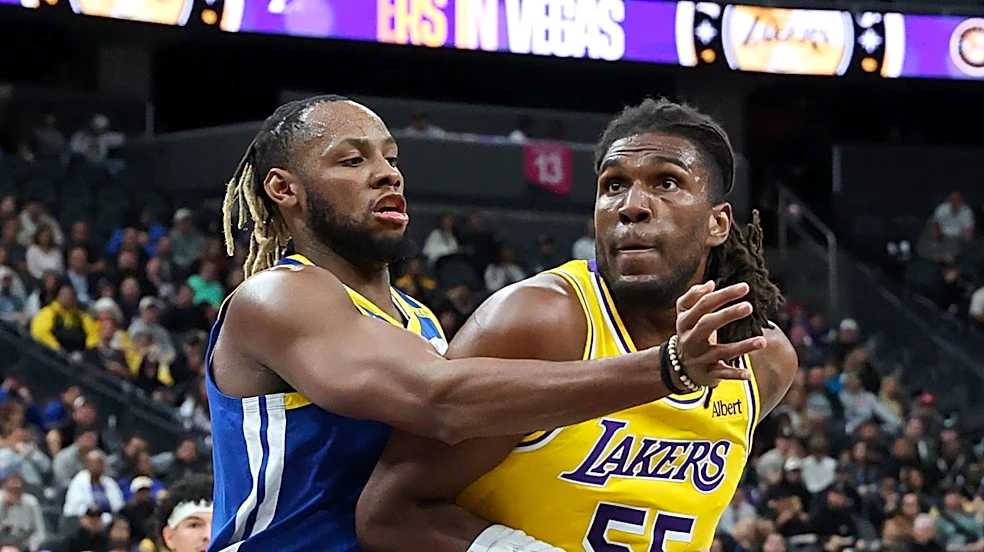
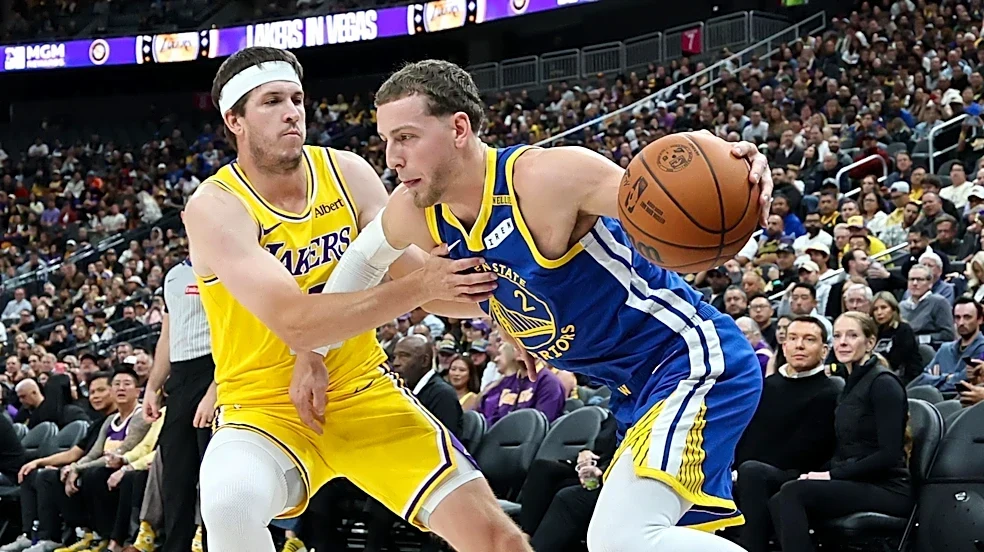
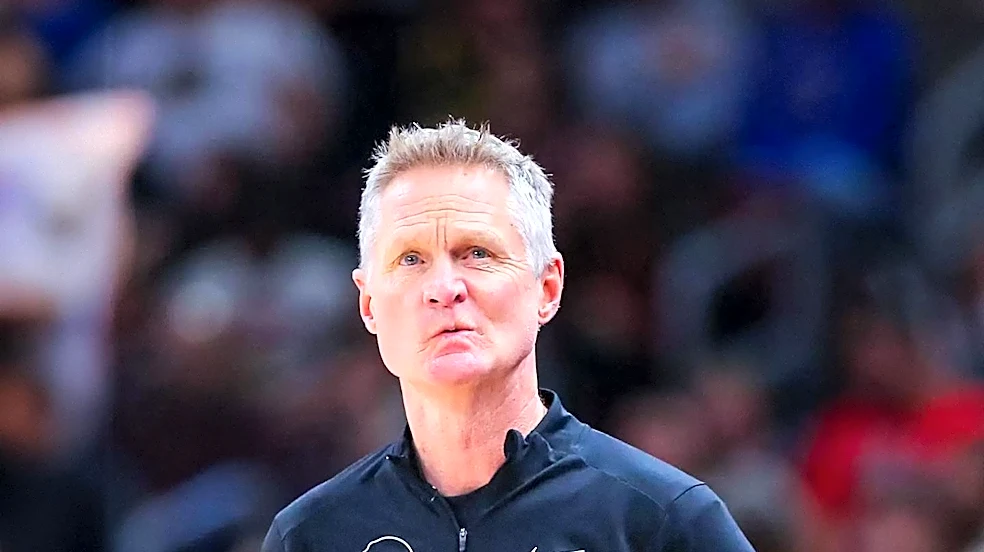
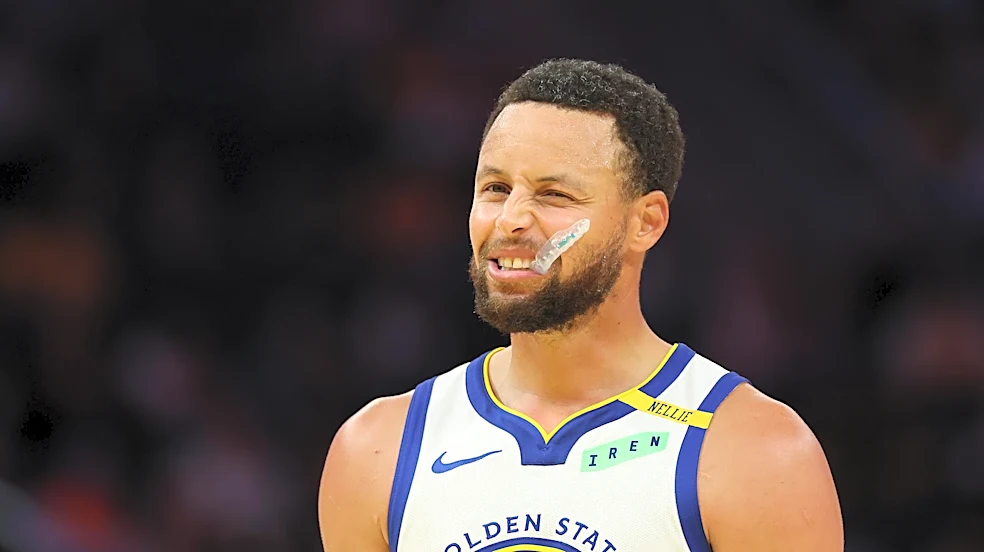
Steve Gillis, a doppelgänger of Golden State Warriors head coach Steve Kerr, was mistaken for the coach during a recent preseason game against the Los Angeles Lakers in Las Vegas. According to Luca Evans of the San Francisco Chronicle, Gillis received
complimentary M&Ms, nachos, and beer from a fan who believed he was Steve Kerr. Gillis, an English teacher at a Las Vegas-area high school, admitted he did not correct the fan, who paid $46 for the concession items. This incident occurred during the October 13 preseason contest, where Gillis was seated a few rows behind the Golden State bench. Steve Kerr himself reportedly noticed Gillis and looked in his direction. Gillis has been mistaken for Kerr for several years, with even his students recognizing the resemblance.
Why It's Important?
This lighthearted incident highlights the cultural phenomenon of celebrity look-alikes and the public's engagement with sports figures. While seemingly minor, it underscores the pervasive influence of sports and media personalities in everyday life, where a strong resemblance can lead to unexpected perks. For the Golden State Warriors and the NBA, such stories contribute to the broader narrative and fan interaction surrounding the league, fostering a sense of community and shared experience. It also subtly touches upon consumer behavior at sporting events, where fans are often willing to spend significantly on concessions, and the unexpected generosity that can arise from mistaken identity. The story provides a glimpse into the casual interactions that can occur between fans and those perceived to be public figures, even if the perception is incorrect.
What's Next?
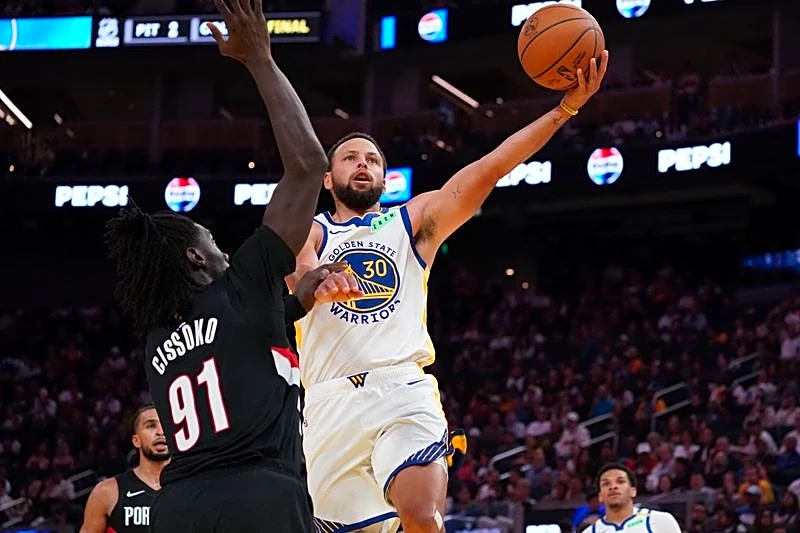
The actual Steve Kerr is set to lead the Golden State Warriors in their season opener against the Los Angeles Lakers at Crypto.com Arena. It is unlikely that the incident involving Steve Gillis will have any direct impact on the team's performance or Kerr's coaching duties. However, the viral nature of such stories often leads to increased public awareness of the individuals involved. Gillis may find himself recognized more frequently due to the media attention, potentially leading to further humorous encounters. The story could also inspire other fans to be more observant or to share similar experiences of mistaken identity at sporting events, contributing to fan culture and social media discussions around the NBA season.
Beyond the Headlines
Beyond the immediate humor, this event touches on themes of identity and perception in the digital age. In a world saturated with images and media, the line between public figures and their look-alikes can blur, leading to amusing and sometimes advantageous situations. It also subtly reflects on the power of suggestion and the human tendency to believe what we see, especially when it aligns with our expectations. The incident could spark conversations about the ethics of accepting benefits under false pretenses, even if unintentional, and the broader implications of celebrity culture on individual interactions. Ultimately, it serves as a charming anecdote that underscores the human element within the highly commercialized world of professional sports.