




What's Happening?
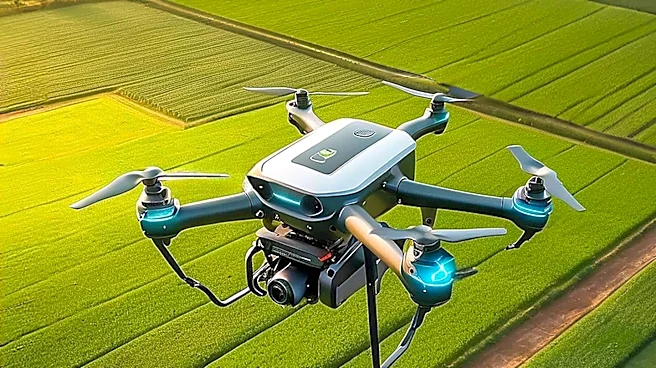
The smart farming and precision agriculture platform market is experiencing rapid expansion, with projections indicating it will grow from $18.81 billion in 2025 to $37.43 billion by 2030, at a compound annual growth rate (CAGR) of 14.7%. This significant
growth is driven by several key factors, including the urgent need to boost agricultural output, the increasing adoption of digital farming technologies, and a higher demand for efficient resource utilization. Challenges posed by climate variability and crop loss, along with greater governmental support for agricultural modernization, are also contributing to this surge. The market's trajectory is shaped by the increasing integration of AI-based agricultural analytics, a rising preference for automated precision farming solutions, and the expansion of smart irrigation and crop monitoring systems. Growing investments in sustainable agricultural technologies and the adoption of cloud-based farm management platforms are also crucial trends.
Why It's Important?
The rapid growth of the smart farming and precision agriculture platform market holds substantial importance for the U.S. agricultural sector. These technologies offer solutions to critical challenges faced by American farmers, such as optimizing crop health, improving resource efficiency, and boosting yields in the face of climate change and increasing global food demand. The integration of AI, IoT sensors, and satellite imagery can lead to more precise decision-making, potentially reducing waste and increasing profitability for U.S. agricultural businesses. This market expansion also creates opportunities for U.S. technology companies specializing in agricultural analytics, automation, and cloud-based solutions. Furthermore, the emphasis on sustainable agricultural technologies aligns with national goals for environmental stewardship and food security, positioning the U.S. to be a leader in adopting and developing these advanced farming methods.
What's Next?
Looking ahead, the market is expected to sustain its brisk pace, with key trends including a move toward data-driven farm management, increased demand for real-time crop monitoring, wider use of satellite-based agricultural insights, and a strong emphasis on resource-efficient farming. The deployment of automated agricultural decision-support tools will also become more prevalent. While North America held the largest share of the market in 2025, the Asia-Pacific region is anticipated to experience the fastest growth in the coming years. This suggests that U.S. companies in this sector may look to expand their global reach while continuing to innovate domestically to maintain their competitive edge. Continued investment in research and development for AI and IoT applications in agriculture will be crucial for future growth.
Beyond the Headlines
The rise of smart farming and precision agriculture platforms signifies a fundamental transformation in how food is produced, moving towards a more data-intensive and technologically integrated approach. This shift has profound implications beyond mere economic growth. It raises questions about data ownership, privacy, and the digital divide, as smaller farms may struggle to access or afford these advanced technologies. The increasing reliance on AI and automation could also alter the nature of agricultural labor, requiring new skill sets and potentially displacing traditional roles. On the ethical front, the ability to precisely monitor and control every aspect of farming raises discussions about the naturalness of food production and the potential for unintended ecological consequences. Ultimately, the widespread adoption of these platforms will reshape rural landscapes, agricultural communities, and the very definition of farming in the 21st century.