








What's Happening?
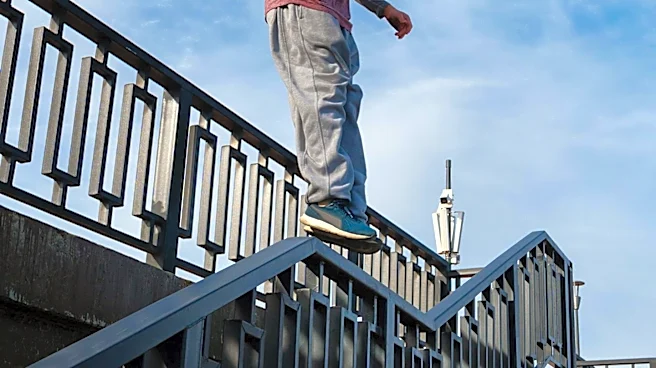
Tan Shie Boon, a parkour coach and founder of Movement.sg, is pioneering a unique approach to fitness for older adults by teaching them parkour. Traditionally associated with young athletes, parkour involves navigating obstacles and performing acrobatic
movements. Tan's classes, however, focus on helping seniors improve their balance, mobility, and confidence. This initiative addresses a significant health concern, as falls are the leading cause of injury among adults aged 65 and older, according to the CDC. Tan's journey into parkour began during his time at an arts school, where he was inspired by a workshop led by French practitioners. His focus on older adults started serendipitously when a 64-year-old woman inquired about parkour's benefits for balance. Her success story attracted media attention, leading to increased interest from retirees. Tan's classes, which include bodyweight exercises and obstacle navigation, are designed to accommodate varying levels of mobility and confidence.
Why It's Important?
This initiative is significant as it addresses the prevalent issue of falls among seniors, which can lead to severe injuries and loss of independence. By adapting parkour for older adults, Tan is providing a novel solution that not only enhances physical health but also boosts mental well-being and confidence. The program's success could inspire similar initiatives across the U.S., potentially reducing healthcare costs associated with fall-related injuries. Moreover, it challenges societal perceptions of aging and physical capability, promoting a more active and engaged lifestyle for seniors. The program's adaptability to individual needs ensures inclusivity, making it accessible to a broader demographic of older adults.
What's Next?
As interest in parkour for seniors grows, there is potential for expansion and collaboration with healthcare providers and community centers. This could lead to the development of standardized programs and training for instructors, ensuring safety and effectiveness. Additionally, further research into the benefits and risks of parkour for older adults could provide valuable insights, potentially influencing public health policies and aging-related fitness programs. Tan's vision of training some of his students to become coaches themselves could also facilitate the program's growth and sustainability.
Beyond the Headlines
The adaptation of parkour for seniors highlights broader cultural shifts towards redefining aging and physical activity. It challenges stereotypes about the limitations of older adults and emphasizes the importance of lifelong learning and adaptability. This approach not only benefits physical health but also fosters a sense of community and empowerment among participants. As society continues to grapple with an aging population, innovative programs like Tan's could play a crucial role in promoting healthy aging and enhancing quality of life for seniors.