
What's Happening?
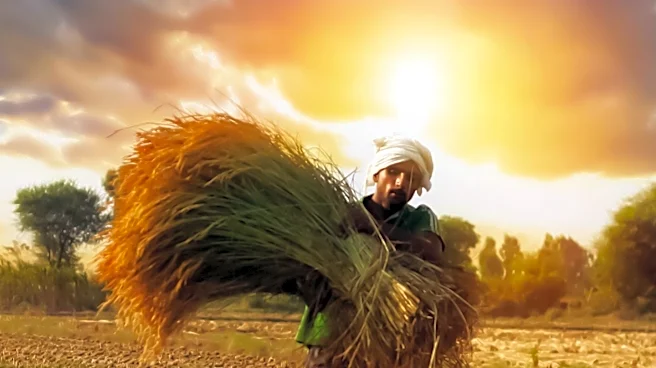
Pomegranate growers in Kandahar province are experiencing severe economic hardship due to a combination of closed export routes, a significant drop in prices, drought, and crop diseases. The closure of trade
routes with Pakistan, a major market for Kandahar pomegranates, has led to a price collapse of up to 70 percent, making it difficult for growers to cover their cultivation costs. In previous years, over 150 cargo trucks carrying pomegranates would leave the country daily during the harvest season; however, this year, exports have plummeted to an unprecedented low. The Kandahar Agriculture and Livestock Directorate, controlled by the Taliban, estimates a 30 percent decline in this year's pomegranate harvest, from 275,000 tonnes last year to approximately 220,000 tonnes. Growers also report that the Taliban's collection of 'ushr and zakat' (religious taxes) further exacerbates their financial woes, as these collections continue despite the drastic reduction in income.
Why It's Important?
The economic crisis facing Kandahar's pomegranate growers highlights the fragility of Afghanistan's agricultural sector and the broader economic challenges under the current administration. The collapse of a key export market like Pakistan not only devastates the livelihoods of thousands of farmers but also underscores the lack of viable alternative trade routes and effective economic policies. This situation can lead to increased poverty, food insecurity, and social unrest in a region already grappling with instability. The Taliban's continued collection of taxes, despite the severe economic downturn for farmers, further strains the relationship between the governing authority and the populace, potentially eroding trust and exacerbating grievances. The decline in agricultural output and export revenue also impacts the national economy, limiting opportunities for recovery and development. The unfulfilled promises of alternative export routes by officials like Abdul Ghani Baradar further compound the frustration among growers and traders.
What's Next?
If alternative markets and effective transit routes for pomegranate exports are not established soon, the economic problems for Kandahar's growers are expected to deepen, threatening the long-term viability of the province's pomegranate orchards. This could lead to a significant reduction in future harvests, further impacting the local economy and potentially forcing farmers to abandon their lands or seek alternative, possibly illicit, livelihoods. The lack of support from the agricultural directorate, as reported by growers, suggests a need for urgent policy interventions to prevent a complete collapse of the sector. International aid organizations and trade partners may need to step in to facilitate new export channels or provide direct assistance to farmers. Without a resolution, the crisis could contribute to broader economic instability and humanitarian concerns in Afghanistan, potentially leading to increased migration or internal displacement.
Beyond the Headlines
The plight of Kandahar's pomegranate growers extends beyond immediate economic losses, touching upon deeper issues of governance, climate change, and regional trade dynamics. The impact of drought and crop diseases, exacerbated by climate change, highlights the vulnerability of agricultural economies to environmental shifts. The closure of trade routes with Pakistan reflects complex geopolitical tensions that directly affect ordinary citizens. The growers' complaints about the Taliban's tax collection, without corresponding support for the agricultural sector, underscore a governance challenge where revenue generation takes precedence over economic development and welfare. This situation could foster resentment and undermine the legitimacy of the governing authority. The failure to secure alternative export markets also reveals a broader challenge in establishing stable and diversified trade relationships, leaving the economy susceptible to external pressures and regional disputes. The long-term consequence could be a significant transformation of the agricultural landscape and the social fabric of Kandahar.