




What's Happening?
Hana Tour's premium brand, Zeus, has introduced a new 12-day ultra-luxury African tour package. This exclusive itinerary, designed for a maximum of 10 participants, focuses on providing an elegant and safe experience of Africa's natural beauty and cultural
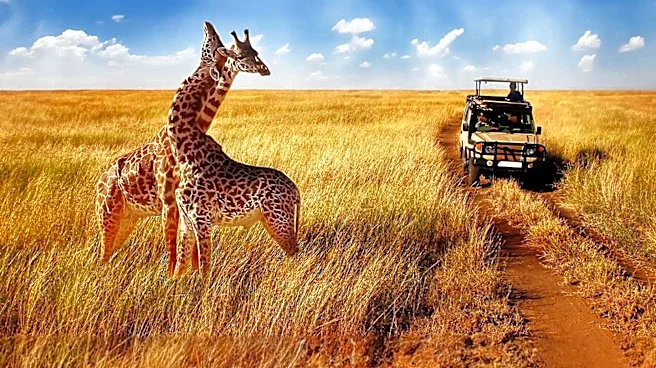
richness. The tour dates are scheduled for February 17 and March 30, 2027, chosen for the mild and stable late summer to early autumn climate in the Southern Hemisphere, which is ideal for safaris and wine country visits. A key highlight of the trip is a three-day journey on the 'Robos Rail,' described as the 'Orient Express of Africa,' offering deluxe suite accommodations, fine dining with South African wines, premium alcoholic beverages, afternoon tea, 24-hour room service, and laundry services. The itinerary also includes a top-tier safari experience at Kruger National Park, where travelers will stay at the Sabi Sabi Earth Lodge, a private lodge within a reserve connected to Kruger, allowing for close encounters with wildlife through private game drives with professional rangers. The tour culminates in Cape Town, featuring visits to Table Mountain and Cape Point, and includes golf at Pearl Valley and a Constantia Winery tour.
Why It's Important?
This new offering from Hana Tour Zeus signifies a growing trend in the luxury travel market, catering to affluent travelers seeking highly curated, exclusive, and comfortable experiences in remote and adventurous destinations. The emphasis on small group sizes, all-inclusive ultra-luxury train travel, and stays in top-tier lodges and five-star hotels like One & Only Cape Town and Four Seasons Hotel The Westcliff, reflects a demand for privacy, personalized service, and unparalleled comfort even in wild settings. For the U.S. travel industry, this could indicate a benchmark for high-end tour operators looking to expand their luxury portfolios, particularly in destinations that traditionally present logistical challenges. The focus on specific optimal travel seasons and dedicated local guides also highlights a shift towards more thoughtful and immersive travel planning, moving beyond standard tourism to offer deeper engagement with the destination while maintaining a high level of service and safety. This type of offering can attract a niche but highly profitable segment of the U.S. consumer market, influencing how luxury travel is packaged and marketed.
What's Next?
The success of Hana Tour Zeus's ultra-luxury African tour could prompt other high-end travel agencies to develop similar exclusive and meticulously planned itineraries for challenging yet desirable destinations. Given the limited group size and specific departure dates, these tours are likely to sell out quickly, potentially leading to expanded offerings or additional dates in subsequent years. The model of combining luxury train travel, private safaris, and cultural excursions with stays in premium accommodations could become a template for future luxury travel products. Stakeholders in the luxury travel sector, including airlines, hotel chains, and local tourism boards in destinations like South Africa, will likely monitor the demand and feedback from such tours. This could lead to further investments in luxury infrastructure and services to cater to this discerning clientele. The emphasis on 'golden time' travel periods might also influence broader travel patterns, encouraging travelers to prioritize optimal seasonal conditions for their trips, especially for experiences that are highly dependent on weather and wildlife viewing.
Beyond the Headlines
The introduction of tours like this by Hana Tour Zeus points to a broader evolution in the perception and accessibility of destinations previously considered 'difficult to access.' By meticulously curating every aspect, from transportation to accommodation and activities, luxury tour operators are effectively demystifying and sanitizing adventurous travel for a high-net-worth demographic. This trend raises questions about the environmental and social impact of ultra-luxury tourism in sensitive ecosystems like Kruger National Park. While private reserves and lodges often contribute to conservation efforts, the increasing demand for exclusive experiences could put pressure on local resources and potentially alter the authentic character of these regions. Furthermore, the 'all-in-class' system and the focus on comfort and privacy might create a somewhat insulated experience for travelers, potentially limiting genuine interaction with local cultures and communities. This type of tourism, while economically beneficial, could inadvertently create a 'bubble' for visitors, where the raw, untamed aspects of a destination are experienced through a highly polished and controlled lens, raising ethical considerations about responsible tourism and cultural immersion.