






What's Happening?
China's household appliance exports to the European Union significantly outpaced Poland's in the first seven months of 2026, shipping nearly three times the volume. According to Rzeczpospolita, citing Eurostat and trade association APPLiA Polska, Chinese
deliveries increased by 12.1% year-on-year to over 26.5 million units, while Polish exports decreased by 0.8% to 9.1 million units. This surge has given China more than 38% of the EU market, compared to Poland's 13.2%. In terms of value, Chinese imports rose by 12.9% to over €3.2 billion, while Polish supplies fell by 6% to just over €2 billion. This trend marks China's 'second export shock' impacting one of Central Europe's key export industries, with Polish manufacturers now facing intense competition and warning of potential factory closures.
Why It's Important?
This development is critical for the U.S. and global economy as it highlights the increasing competitive pressure from Chinese manufacturing on established European industries. The significant market share shift indicates a broader trend of China's growing dominance in global supply chains, potentially leading to job losses and economic instability in countries like Poland, which has been a major appliance producer for the EU. The cost disparity, with Chinese washing machines costing significantly less to build than those in Poland, underscores the challenges European manufacturers face in competing on price. This situation could prompt calls for increased trade protections or subsidies within the EU, potentially leading to trade disputes and impacting international trade relations, including those with the U.S. The decline in EU appliance output and factory closures signal a structural shift in the manufacturing landscape.
What's Next?
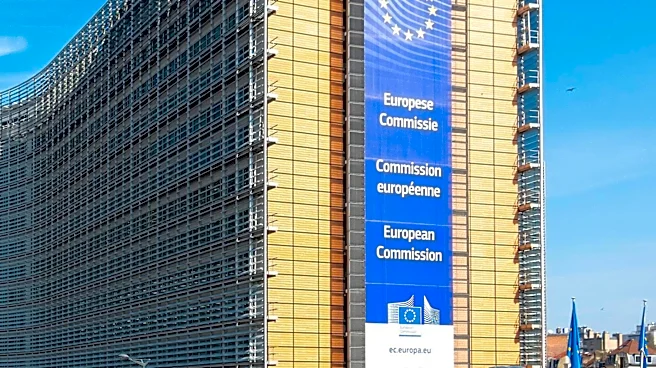
Polish manufacturers, along with five other EU governments (France, Germany, Italy, Slovakia, and Spain), have urged the European Commission to develop a dedicated plan for the sector. They are seeking direct assistance rather than just a 'level playing field,' arguing that without quick decisions, plant closures and job losses are imminent. The European Commission has acknowledged the issue and is considering the need for a specific plan, in addition to existing measures like revising the Carbon Border Adjustment Mechanism (CBAM). However, the current CBAM proposals offer limited relief, as they do not fully address the cost advantages of non-EU producers. Future actions will likely involve a combination of policy interventions, potential trade adjustments, and ongoing negotiations to protect European industries and employment.
Beyond the Headlines
The influx of Chinese-made appliances into the EU market raises deeper questions about fair trade practices, government subsidies, and environmental standards. Polish appliance maker Amica cited a 2024 OECD study indicating that government support for China's appliance industry is six times higher than in the EU, suggesting an uneven playing field. This situation could lead to increased scrutiny of China's industrial policies and their impact on global markets. Furthermore, the shift in manufacturing away from Europe could have long-term implications for technological innovation, skilled labor, and economic resilience within the EU. The debate over 'leveling the playing field' versus providing direct support highlights the complex economic and political choices facing European policymakers in an increasingly globalized and competitive manufacturing environment.