

What's Happening?
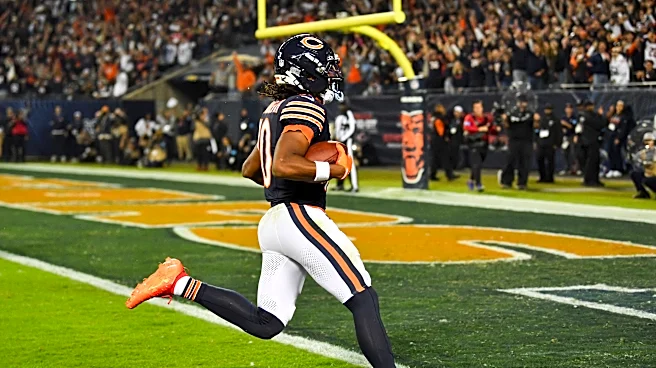
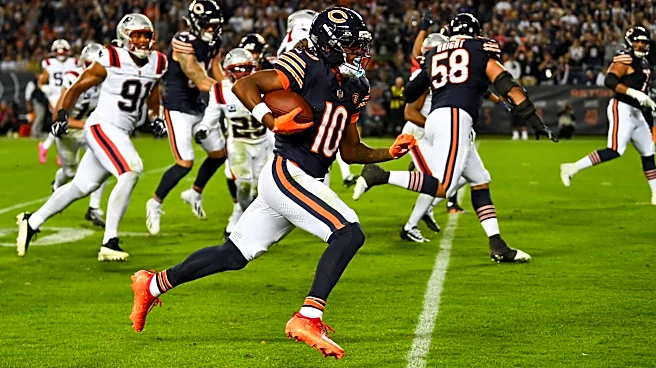
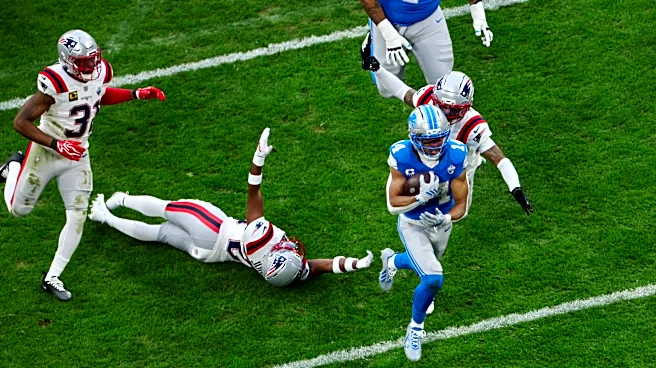
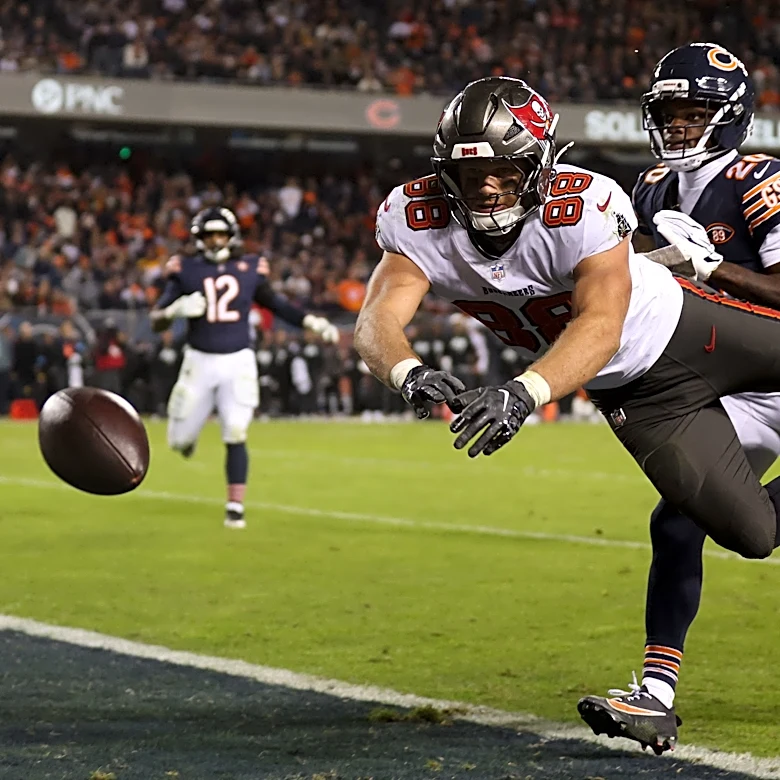
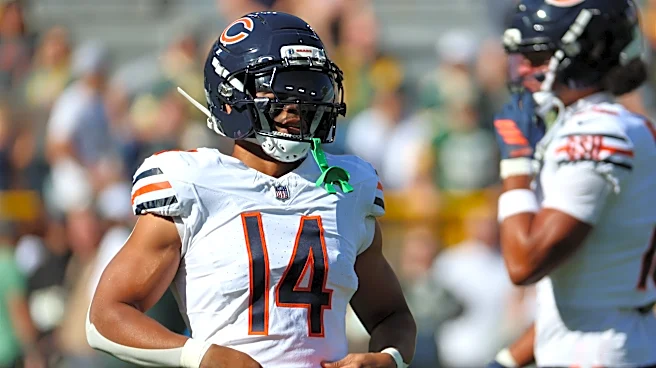
Tampa Bay Buccaneers cornerback Keionte Scott has received his first NFL fine, totaling $6,540, for unnecessary roughness/use of the helmet. The penalty stems from a second-quarter tackle on Chicago Bears wide receiver Kalif Raymond during the Buccaneers'
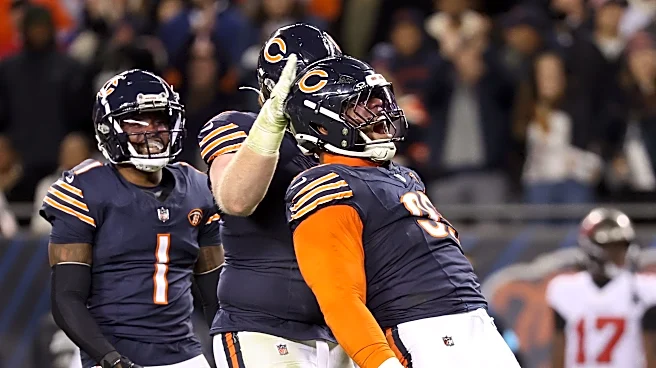
27-24 loss in Week 9. Although Scott was not flagged during the game for the hit, the fine was assessed after a review of the play. This marks Scott's inaugural fine in his rookie season, having been drafted by the Buccaneers in the fourth round of the 2026 NFL Draft out of Miami University. On the opposing side, two Bears players were also fined in the same game: defensive end Austin Booker received a $6,457 fine for unnecessary roughness/use of the helmet, and wide receiver Zavion Thomas was fined $6,901 for unnecessary roughness/striking, kicking, and/or kneeing, a play for which he was also penalized 15 yards during the game.
Why It's Important?
This incident highlights the NFL's ongoing commitment to player safety and its strict enforcement of rules regarding unnecessary roughness and helmet use. Fines, even for plays not flagged in real-time, underscore the league's post-game review process designed to identify and penalize dangerous conduct. For rookie players like Keionte Scott, such fines serve as an early lesson in adapting to the NFL's heightened safety standards, which can impact playing style and technique. The financial penalties, which are split between the NFLPA's retired player support efforts and various non-profits focusing on youth sports, player health, and community health initiatives, demonstrate the league's broader social responsibility agenda. These disciplinary actions aim to deter future infractions, thereby contributing to a safer playing environment across the league and potentially influencing how players approach tackles and contact.
What's Next?
Keionte Scott will likely review the play with his coaching staff to understand the specific aspects that led to the fine, potentially adjusting his tackling technique to avoid future penalties. For the NFL, the continued assessment of fines for helmet-to-helmet contact and unnecessary roughness indicates a consistent application of its player safety protocols. Players across the league will remain under scrutiny for similar actions, with the potential for escalating fines or suspensions for repeat offenders. The league's officiating and disciplinary committees will continue their post-game reviews, ensuring that player safety remains a priority. This ongoing enforcement will likely influence player behavior and coaching strategies throughout the current and future seasons, as teams emphasize compliant tackling methods to avoid penalties and protect player well-being.
Beyond the Headlines
The NFL's consistent fining of players for helmet-related infractions, even when not called during live play, reflects a significant cultural shift within professional football towards prioritizing long-term player health. This approach goes beyond immediate game outcomes, addressing the broader issue of player safety and the prevention of concussions and other head injuries. The financial implications for players, particularly rookies, can be substantial, prompting a re-evaluation of aggressive play styles that were once commonplace. This ongoing emphasis on safety also has legal and ethical dimensions, as the league navigates its responsibility to protect athletes while maintaining the physicality of the sport. The allocation of fine money to retired players and youth sports initiatives further underscores the NFL's attempt to address the consequences of the game and promote safer practices at all levels.