





What's Happening?
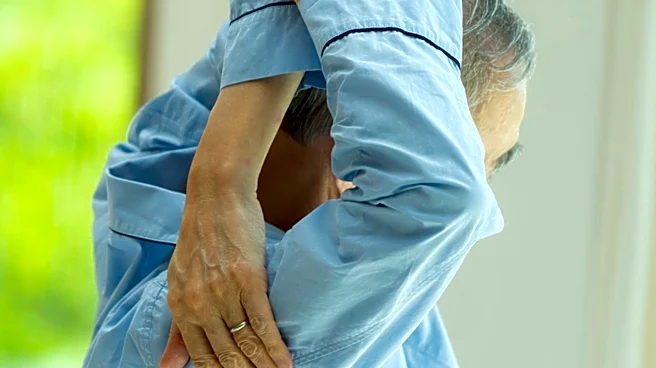
A 15-minute morning stretching routine is being recommended for seniors to alleviate stiffness, improve flexibility, and prevent injuries. This routine, which can be performed seated or standing, focuses on key areas such as the neck, shoulders, chest,
side, lower back, and hips. The goal is to counteract common issues like overnight tension, forward hunched posture, and reduced spine mobility. The World Health Organization and the CDC emphasize the importance of muscle-strengthening and balance activities for older adults, with consistent stretching routines shown to improve hip and shoulder range of motion within eight weeks for adults over 60. Harvard Health Publishing also notes that stretching combined with light strength work can reduce lower back pain, a frequent complaint among older adults. The CDC reports that one in four older Americans falls each year, highlighting the critical role of mobility and balance work in fall prevention.
Why It's Important?
The implementation of regular stretching routines for seniors holds significant importance for public health and the well-being of the aging U.S. population. Falls are a leading cause of injury-related death among adults aged 65 and older in the United States, making preventative measures like stretching crucial. By improving flexibility and balance, these routines directly address a major health concern, potentially reducing healthcare costs associated with fall-related injuries and improving the quality of life for seniors. Economically, a healthier senior population can remain more active and independent, potentially reducing the burden on caregivers and long-term care facilities. The emphasis on accessible, low-impact movements also means that these routines can be adopted widely without the need for expensive equipment or gym memberships, making them a cost-effective public health intervention. Furthermore, the focus on specific areas like the lower back and hips targets common sources of chronic pain, which can significantly impact daily activities and overall well-being.
What's Next?
Seniors are encouraged to integrate a 10 to 15-minute stretching routine into their daily or near-daily schedule, with consistency being more important than duration. Even five minutes of stretching daily is considered more beneficial than longer, infrequent sessions. Before starting, a gentle warm-up, such as marching in place or ankle circles, is advised to prepare muscles and prevent strain. It is crucial to avoid stretching to the point of pain and to stop immediately if sharp pain occurs. For those with balance concerns, starting with seated stretches is recommended, gradually incorporating standing options as confidence builds. Consulting a doctor before beginning any new routine is also advised, especially for individuals with joint replacements or osteoporosis. The long-term goal is to pair stretching with light strength and balance training, aligning with WHO guidelines for older adults, to create a comprehensive daily fitness routine that supports healthy aging and fall prevention.
Beyond the Headlines
Beyond the immediate benefits of improved flexibility and fall prevention, the promotion of accessible stretching routines for seniors reflects a broader shift in public health towards proactive, preventative care that empowers individuals to manage their own health. This approach acknowledges the demographic reality of an aging population and seeks to enhance the quality of life for seniors, fostering independence and reducing reliance on more intensive medical interventions. The emphasis on simple, home-based routines also highlights a growing trend in wellness, where individuals are seeking practical and affordable ways to maintain health outside traditional healthcare settings. Ethically, providing clear, research-backed guidance on senior fitness underscores a commitment to supporting the well-being of vulnerable populations. Culturally, it encourages a mindset where physical activity is viewed not as a luxury but as an essential component of daily life, akin to basic hygiene, thereby normalizing and integrating it into the fabric of aging.