






What's Happening?
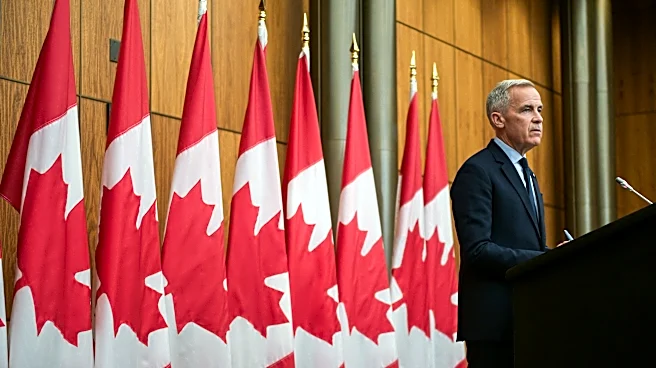
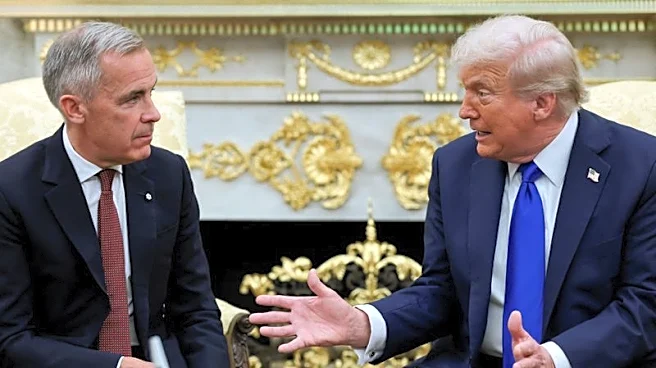
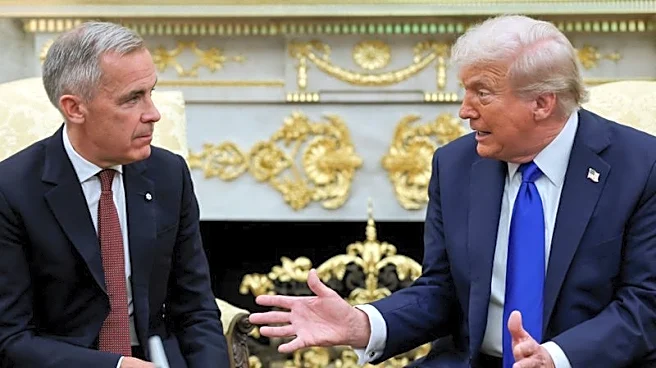
The Trump administration has temporarily halted the imposition of 50% tariffs on Canadian goods, a measure that was set to affect nearly $20 billion worth of imports. This pause, announced by President Trump on a social media platform he owns, comes after
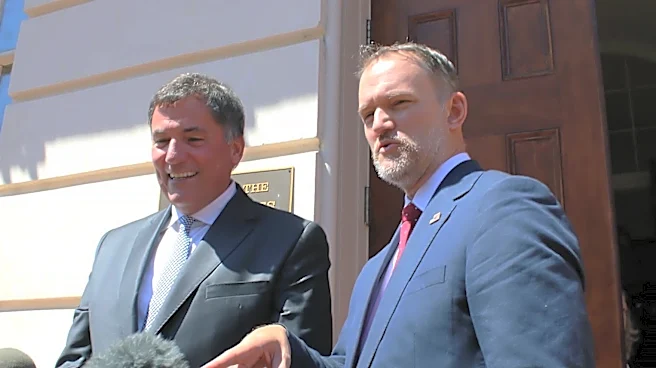
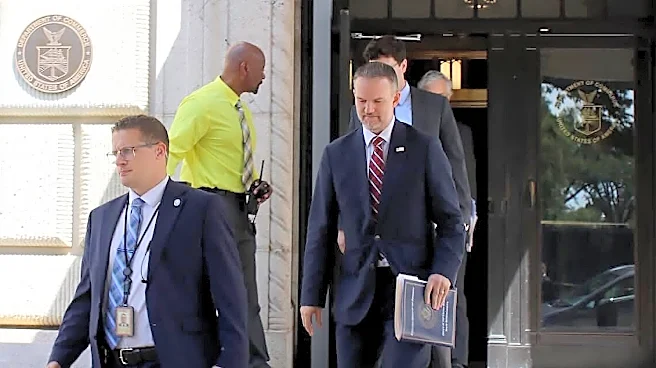
last-minute negotiations between the U.S. and Canada. The agreement allows for a three-day window to finalize trade concessions between the two nations. This development follows a period of heightened trade tensions, with the U.S. previously threatening significant levies on Canadian products. The temporary reprieve aims to facilitate a resolution to ongoing trade disputes.
Why It's Important?
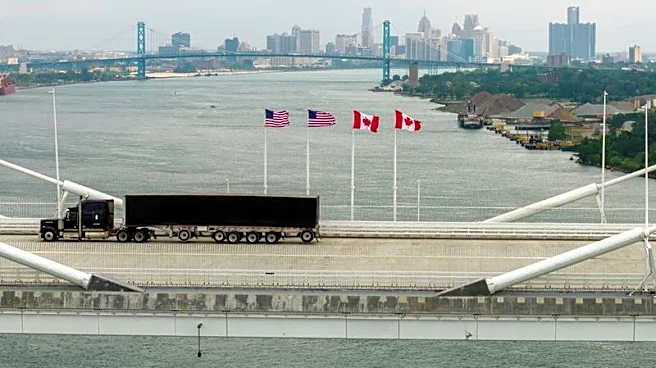
This decision is significant for U.S. industries and consumers, as the imposition of such substantial tariffs on Canadian goods would likely have led to increased costs for various products. Canada is a major trading partner for the U.S., and tariffs could disrupt supply chains, impact manufacturing costs, and potentially lead to retaliatory tariffs from Canada, further escalating trade conflicts. For U.S. businesses that rely on Canadian imports or export to Canada, the pause offers a brief period of stability and an opportunity to avoid potential financial burdens. The outcome of these trade negotiations will have a direct impact on the economic relationship between the two countries and could influence broader trade policies.
What's Next?
The immediate next step involves the U.S. and Canada working to finalize trade concessions within the three-day window provided by the tariff pause. The success of these negotiations will determine whether the 50% tariffs are permanently averted or if they will be reinstated. Stakeholders, including U.S. businesses and consumers, will be closely watching the progress of these talks. The outcome could set a precedent for how the Trump administration approaches future trade disputes with other nations, particularly regarding the use of tariffs as a negotiating tool. Further announcements from President Trump or official statements from trade representatives are expected as the deadline approaches.
Beyond the Headlines
The use of tariffs as a negotiating tactic highlights a broader shift in international trade relations, where economic leverage is increasingly employed to achieve political and economic objectives. This approach can create uncertainty in global markets and strain diplomatic ties, even with close allies like Canada. The reliance on social media for significant policy announcements also underscores a changing landscape in government communication, bypassing traditional channels. The long-term implications could include a re-evaluation of global supply chains by businesses seeking to mitigate risks associated with sudden tariff implementations, potentially leading to shifts in sourcing and manufacturing strategies.