






What's Happening?
Effective home security largely relies on simple habits and strategic use of security measures, rather than expensive systems. Key practices include consistently locking doors and windows, being cautious about key access, and recognizing neighborhood
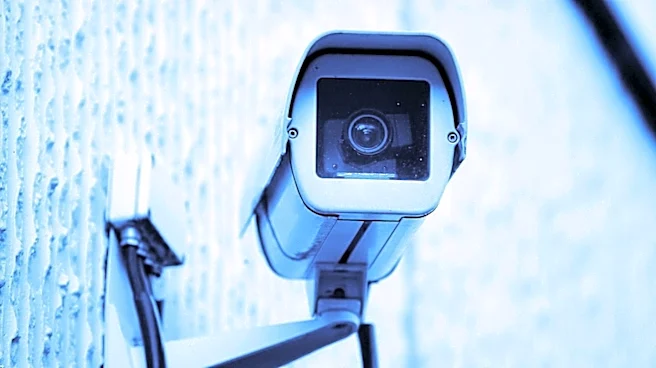
warning signs. Statistics indicate that while crime rates have generally decreased, burglaries remain a concern, with an average cost of $2,661 per incident. Porch piracy is identified as the most common form of theft. Burglars often target homes based on location, occupancy, and visible security measures. A significant deterrent is the presence of alarm signs or cameras, with 83% of burglars looking for alarms and 60% opting to avoid homes with them. Reinforcing doors and windows with deadbolts, security bars, and smart locks, along with maintaining a well-kept exterior, are crucial steps in preventing unauthorized entry.
Why It's Important?
The emphasis on accessible and practical home security measures is vital for U.S. households, as it empowers individuals to protect their property without significant financial outlay. Understanding that simple actions like locking doors are highly effective can reduce vulnerability across various demographics. The data on burglar preferences highlights the psychological aspect of deterrence, where visible security signs alone can be a powerful tool. This information is crucial for public awareness campaigns and for guiding consumers in making informed decisions about security investments. By focusing on both behavioral changes and affordable technological enhancements, communities can collectively improve safety, potentially reducing crime rates and the financial and emotional toll of burglaries on victims.
What's Next?
As awareness of effective home security practices grows, there will likely be a continued trend towards integrating smart home technology with traditional security habits. The market for DIY-friendly security devices, such as smart locks, doorbell cameras, and easy-to-install alarm systems, is expected to expand. Educational initiatives from community organizations and law enforcement may increasingly focus on these combined approaches, emphasizing both vigilance and technological adoption. Furthermore, as porch piracy remains a prevalent issue, innovations in package delivery security, such as secure delivery boxes and advanced notification systems, will likely see further development and adoption. The ongoing evolution of security technology will continue to offer more sophisticated yet user-friendly options for homeowners and renters.
Beyond the Headlines
The discussion around home security extends beyond immediate protection to broader societal implications. The rise of smart home security systems, while offering convenience and enhanced safety, also brings considerations of digital privacy and data security. As more devices connect to home networks, the potential for cyber vulnerabilities increases, requiring consumers to be diligent about network security. Moreover, the reliance on visible deterrents like cameras and alarm signs can contribute to a sense of community vigilance, but also raises questions about neighborhood surveillance and privacy. The balance between individual security and collective privacy will continue to be a nuanced discussion as technology advances and becomes more integrated into daily life, shaping future regulations and social norms around home protection.