




What's Happening?
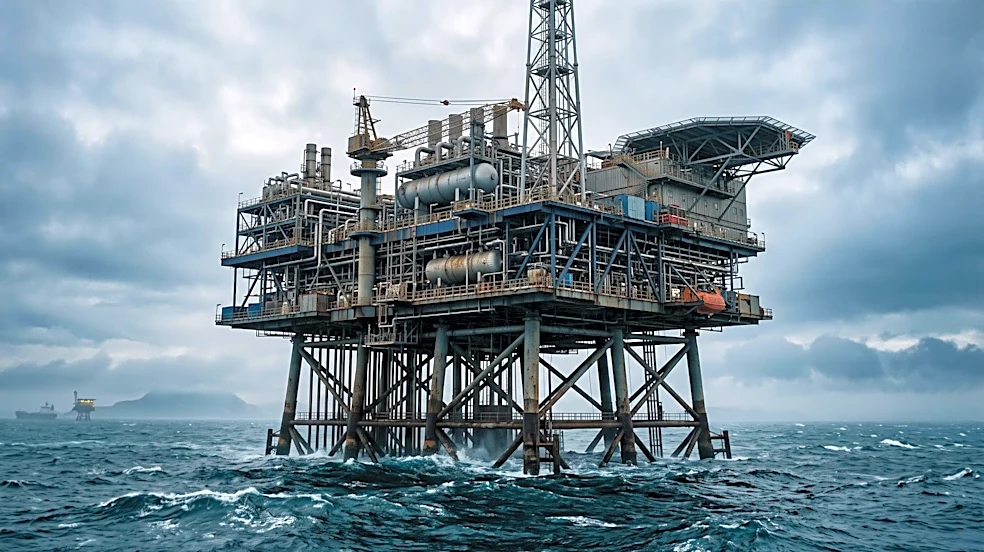
Equinor, with U.S. partner ConocoPhillips holding a 1.64% stake, has decided to scale back the electrification program for Norway's Troll gas field. The original plan, approved in 2021, included installing a second electric export compressor on Troll C.
However, Equinor has informed the Norwegian Ministry of Energy that only the first electric export compressor will be commissioned. The decision was made to avoid an extensive modification period of up to 21 months, which would have significantly reduced gas production from Troll C. This move is aimed at maintaining high and stable gas supplies to Europe, especially given the current importance of energy security. Equinor estimates that this decision will make approximately 2.3 billion standard cubic meters of additional gas available to the European market in 2027 and 2028, equivalent to about two years of gas consumption for one million European households. While the scaled-down program will still reduce CO2 emissions by around 330,000 tonnes per year, it falls short of the originally planned 440,000 tonnes per year.
Why It's Important?
Equinor's decision to scale down the Troll electrification program, with the involvement of U.S. partner ConocoPhillips, has significant implications for European energy security and the broader energy transition. By prioritizing immediate gas supply over full electrification, Equinor is responding to the urgent need for stable energy in Europe, particularly in the context of ongoing geopolitical tensions. This highlights the complex balance between environmental goals and the practical demands of energy supply. For ConocoPhillips, its stake in the Troll field means that this decision directly impacts its share of gas production and revenue from the project, reinforcing its role in global energy supply. While the move ensures continued gas flow, it also means a slower pace of decarbonization for the Troll field, underscoring the challenges faced by energy companies in meeting both energy demand and climate targets. The additional gas supply to Europe is a critical factor in stabilizing energy markets and supporting economic activity across the continent.
What's Next?
The first electric export compressor on Troll C will be commissioned as planned, while the installation of the second compressor is now off the table. Equinor will continue to operate Troll, which remains a cornerstone of Europe's energy supply, with a focus on high regularity and stable production. The company will monitor the balance between emission reductions, energy deliveries, and value creation. The additional 2.3 billion standard cubic meters of gas are expected to be available to the European market in 2027 and 2028. Future decisions regarding further electrification or emission reduction measures at Troll will likely be influenced by evolving energy security needs, technological advancements, and regulatory frameworks. The ongoing collaboration with partners like ConocoPhillips will be crucial in navigating these strategic choices and ensuring the long-term viability of the Troll field.
Beyond the Headlines
This decision by Equinor, supported by its partners including ConocoPhillips, reflects a broader global dilemma: how to balance immediate energy needs with long-term climate goals. The prioritization of gas supply to Europe, even at the cost of a slower electrification pace, underscores the current geopolitical realities and the critical role of natural gas as a transition fuel. This situation highlights the ethical and practical challenges faced by energy companies and governments in managing the energy transition. While there is a clear commitment to reducing emissions, the imperative to maintain energy security can sometimes lead to compromises. This case also illustrates the interconnectedness of global energy markets, where decisions made in one region can have significant impacts on others. The long-term implications include ongoing debates about the role of natural gas in a decarbonized future and the need for innovative solutions that can simultaneously address energy security, affordability, and environmental sustainability.