






What's Happening?
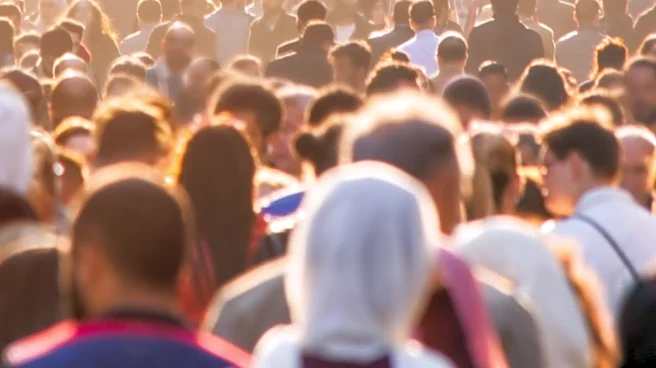
A recent survey commissioned by the travel agency Ticket indicates that 47% of Swedes have, at some point, chosen not to visit a destination because of excessive tourist crowds. This trend highlights a growing concern among travelers regarding overtourism,
which is increasingly affecting popular holiday spots. The survey also found that an equal percentage of Swedes would be willing to pay more for a quieter holiday experience, suggesting a demand for less crowded travel alternatives. The issue of overtourism is not only impacting local populations in popular destinations but is also influencing the travel decisions of Swedish tourists. Travelers are seeking to avoid long queues, fully booked restaurants, and crowded areas to enhance their holiday experience. The survey suggests that with some planning, such as traveling outside peak season or exploring smaller towns, it is often possible to mitigate the effects of overcrowding.
Why It's Important?
This development is important for the U.S. tourism industry and related sectors as it reflects a broader global shift in traveler preferences. While the survey focuses on Swedish travelers, the sentiment against overtourism is likely to resonate with a significant portion of U.S. tourists who also seek relaxing and uncrowded experiences. This could lead to a re-evaluation of marketing strategies by U.S. destinations, particularly those that experience high tourist volumes. Destinations known for their natural beauty or cultural attractions might need to consider strategies to manage crowds and offer more exclusive or off-peak experiences to attract discerning travelers. Businesses in the hospitality sector, including hotels, tour operators, and airlines, might need to adapt their offerings to cater to this demand for less crowded travel, potentially by promoting shoulder seasons or lesser-known locations. The willingness of travelers to pay more for a calmer holiday also presents an opportunity for premium travel experiences focused on exclusivity and tranquility.
What's Next?
In response to this evolving traveler sentiment, U.S. tourism boards and businesses may begin to implement strategies aimed at managing tourist flows and promoting sustainable travel. This could include encouraging visits during off-peak seasons, developing and promoting lesser-known attractions, or implementing reservation systems for popular sites to control crowd sizes. There might also be an increased focus on marketing campaigns that highlight the tranquility and unique experiences available in less-traveled areas within the U.S. Travel agencies and tour operators could start offering more curated itineraries that prioritize avoiding crowds, potentially at a higher price point. Furthermore, there could be a push for technological solutions, such as apps or online platforms, that help travelers identify less crowded times or locations. The long-term impact could see a diversification of popular travel routes and a greater emphasis on responsible tourism practices across the industry.
Beyond the Headlines
The trend of avoiding overtourism points to a deeper cultural shift in how people perceive and value their travel experiences. Beyond the immediate economic implications, this suggests a growing desire for authenticity, personal space, and a more meaningful connection with destinations, rather than simply checking off popular landmarks. This could lead to a redefinition of what constitutes a 'successful' holiday, moving away from mass tourism towards more individualized and immersive journeys. Ethically, it raises questions about the responsibility of destinations to manage their resources and preserve local culture and environment in the face of tourism pressures. It also highlights the potential for a more equitable distribution of tourism benefits, as travelers seek out and support businesses in less-visited communities. This shift could foster a greater appreciation for local communities and their unique offerings, potentially leading to more sustainable and respectful forms of travel in the long run.