






What's Happening?
Celebrity chef and 'MasterChef' judge Tiffany Derry is challenging the common perception that Southern food is inherently heavy and unhealthy. Derry, who has Louisiana roots and grew up on a farm, explained that traditional Southern meals historically
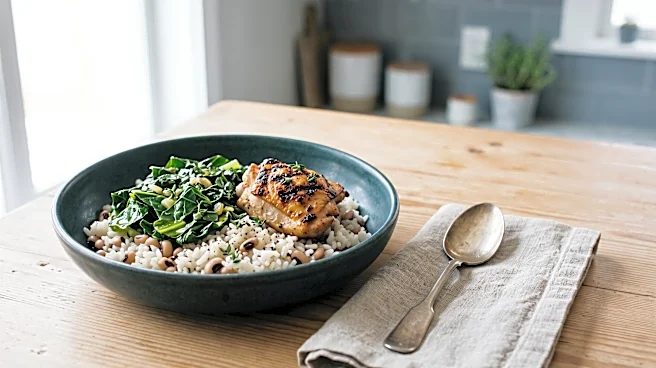
featured a significant amount of fresh, farm-grown vegetables, with protein served in smaller portions alongside staples like rice, peas, and beans. She argues that the stereotype of Southern cuisine being dominated by dishes like mac and cheese or biscuits and gravy misrepresents the everyday diet of many Southern families, where such rich foods were consumed sparingly, not daily. Derry also noted a renewed interest in home cooking among younger generations, driven by social media and a desire to learn culinary skills.
Why It's Important?
Derry's perspective is important because it debunks a widespread culinary stereotype, offering a more accurate and nuanced understanding of Southern food culture. By highlighting the historical emphasis on fresh, seasonal produce and balanced meals, she challenges preconceived notions that can lead to misjudgments about regional diets and health. This re-education can encourage a healthier appreciation for Southern cuisine and inspire people to explore its diverse and often nutritious aspects. Furthermore, her observation about the resurgence of home cooking, particularly among younger generations, signifies a potential shift in dietary habits and a greater engagement with food preparation, which can have positive impacts on public health and culinary literacy.
What's Next?
Chef Derry continues her role as a judge on 'MasterChef,' where she observes the evolving skills of home cooks. Her advocacy for a more authentic understanding of Southern food is likely to influence culinary discussions and potentially inspire more people to explore traditional Southern cooking methods that prioritize fresh ingredients. The trend of increased home cooking, fueled by platforms like TikTok, suggests a continued growth in culinary interest and skill development across different age groups. This could lead to a broader appreciation for diverse food traditions and a more informed approach to eating, moving beyond simplistic stereotypes.
Beyond the Headlines
Derry's insights extend beyond mere food criticism; they touch upon cultural identity, historical accuracy, and the impact of media representation on perceptions. The stereotype of unhealthy Southern food often overlooks the resourcefulness and sustainability inherent in farm-to-table practices that were common out of necessity. By reclaiming this narrative, Derry not only celebrates her heritage but also encourages a deeper look into how food traditions evolve and are sometimes misrepresented. This conversation can foster greater cultural understanding and challenge individuals to question other culinary stereotypes, promoting a more inclusive and accurate view of diverse foodways in the U.S. and beyond.