







What's Happening?
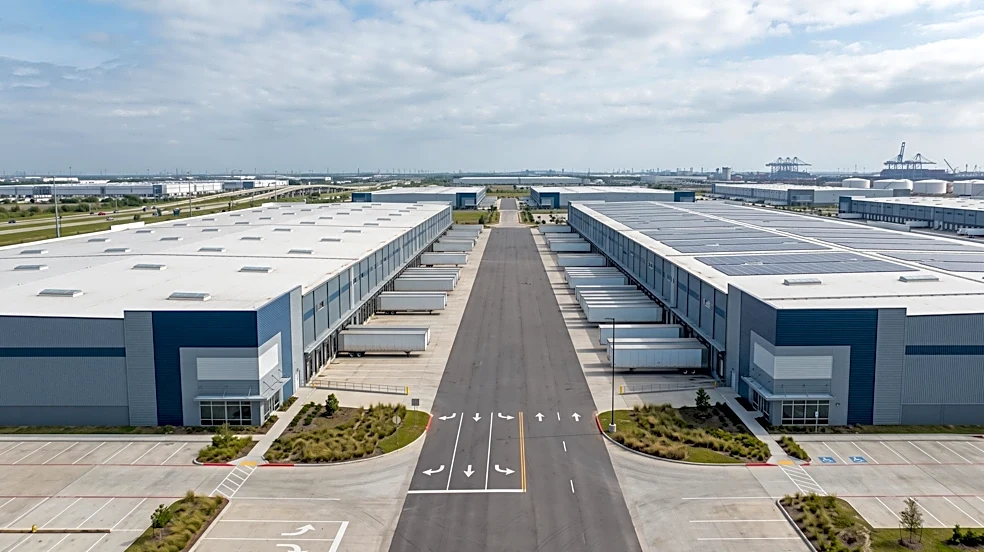
Meiborg Companies and Morales Capital Group have announced a partnership to establish M2 Global Logistics, a new third-party logistics (3PL) provider. This new venture will be anchored by an 830,000-square-foot industrial campus located near downtown
Houston. The collaboration aims to integrate Meiborg’s existing trucking and warehousing operations with Morales Capital Group’s expertise in international trade and investment. The 27-acre Houston campus is strategically positioned to offer access to major freight corridors, intermodal hubs, and port connections. Operations are expected to commence in the coming months, with plans for future market expansion. M2 Global Logistics intends to provide a comprehensive suite of services, including domestic trucking, international freight services, customs-related logistics, warehousing, fulfillment, and distribution, all under a single platform. The leadership team for the new company will include Zach Meiborg, Nick Gibbons, and James Cooper, alongside executives from Morales Capital Group. Meiborg Companies, founded in 1981 and headquartered in Rockford, Illinois, currently operates over 550 trucks and manages more than 4 million square feet of warehouse space across Illinois and Texas.
Why It's Important?
The launch of M2 Global Logistics signifies a significant development in the U.S. logistics sector, particularly in the Houston area, a critical hub for freight and international trade. By combining established trucking and warehousing capabilities with international trade and investment expertise, the new 3PL aims to offer a more integrated and efficient supply chain solution. This could lead to enhanced operational flexibility and reduced costs for businesses engaged in both domestic and international shipping. The strategic location of the 830,000-square-foot campus near major freight corridors and port connections will likely improve the speed and efficiency of goods movement, benefiting various industries that rely on timely and reliable logistics. The expansion of such comprehensive logistics services can also stimulate economic growth in the region by creating jobs and attracting more trade activity. For companies, having a single platform for diverse logistics needs, from domestic trucking to customs and international freight, simplifies complex supply chain management, potentially leading to greater competitiveness and market reach.
What's Next?
M2 Global Logistics is set to begin operations at its Houston campus in the coming months. The company plans to offer a full range of logistics services, including domestic trucking, international freight, customs logistics, warehousing, fulfillment, and distribution. Following the initial launch, M2 Global Logistics has indicated intentions for additional market expansion, suggesting a broader reach for its integrated services in the future. The success of this venture will likely depend on its ability to effectively combine the strengths of Meiborg Companies and Morales Capital Group, streamline operations, and attract a diverse client base. Potential reactions from major stakeholders could include increased competition within the 3PL market, prompting other logistics providers to enhance their service offerings or explore similar strategic partnerships. Businesses in need of comprehensive logistics solutions will be closely watching M2 Global Logistics' performance and its impact on efficiency and cost-effectiveness in the supply chain.
Beyond the Headlines
The formation of M2 Global Logistics highlights a growing trend in the logistics industry towards consolidation and the creation of integrated, end-to-end supply chain solutions. This move reflects the increasing complexity of global trade and the demand for seamless logistics services that can handle everything from local distribution to international customs and freight. The emphasis on a single platform for diverse services suggests a strategic response to the challenges businesses face in managing multiple vendors and disparate systems across their supply chains. This integration could lead to greater transparency, efficiency, and resilience in logistics operations, which are crucial in an era of frequent supply chain disruptions. Furthermore, the investment in a large industrial campus in a key trade location like Houston underscores the continued importance of physical infrastructure in supporting digital and global logistics networks, emphasizing that while technology optimizes, physical assets remain foundational to moving goods.