




What's Happening?
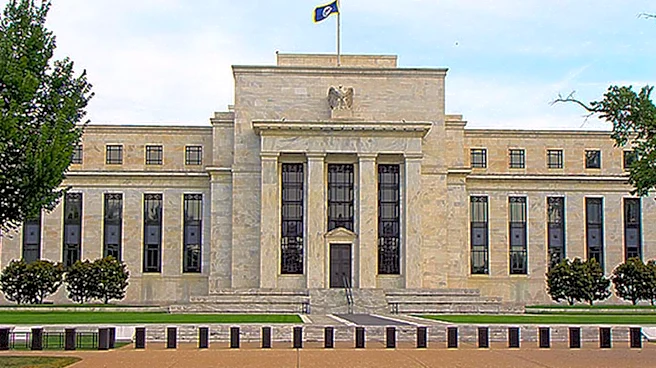
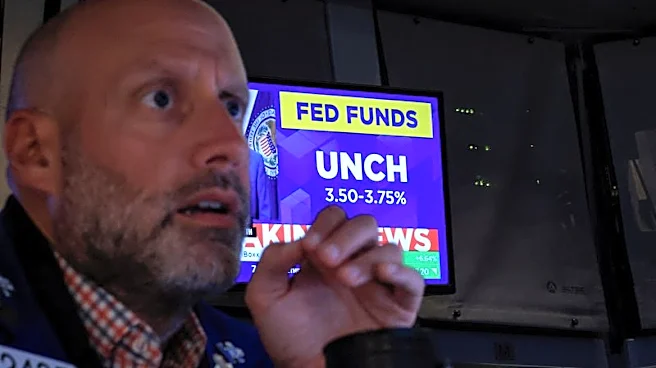
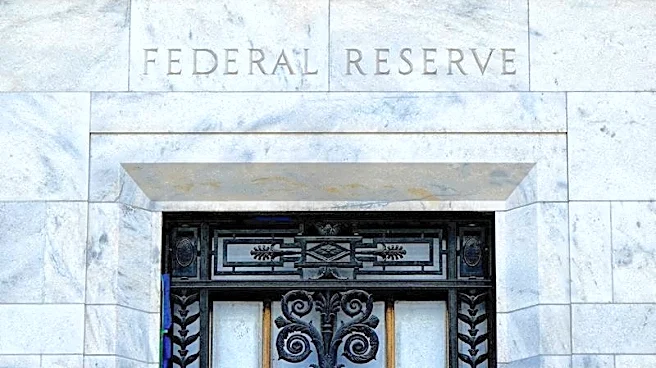
On July 29, 2026, the Federal Reserve decided not to hike interest rates, despite market expectations of a possible increase. Initially, this decision led to a rally in short-term rates, but longer-term rates also saw movement. The Fed's remarks suggested
a broader approach to inflation data, potentially indicating a reluctance to raise rates. This has led to speculation among traders that the Fed may rely on the bond market to manage rates, rather than direct intervention. The market's reaction was paradoxical, with bonds ceasing to sell off after the Fed's press conference.
Why It's Important?
The Fed's decision and subsequent market reaction highlight ongoing concerns about inflation and economic stability. By not raising rates, the Fed may be signaling confidence in the bond market's ability to manage rate adjustments. This approach could impact investor strategies, as they navigate the implications of inflation data and bond market movements. The decision also reflects broader economic uncertainties, including geopolitical tensions, which may influence future monetary policy.
What's Next?
Market participants will likely continue to scrutinize the Fed's actions and statements for indications of future rate hikes. The focus may shift to inflation data and bond market trends, as traders assess the Fed's strategy. Potential geopolitical developments, such as conflicts, could further influence economic conditions and monetary policy decisions.
Beyond the Headlines
The Fed's reliance on the bond market to manage rates may have long-term implications for monetary policy and economic stability. This approach could affect the Fed's credibility and influence investor confidence. Additionally, the decision not to hike rates may impact sectors sensitive to interest rate changes, such as real estate and consumer finance.