




What's Happening?
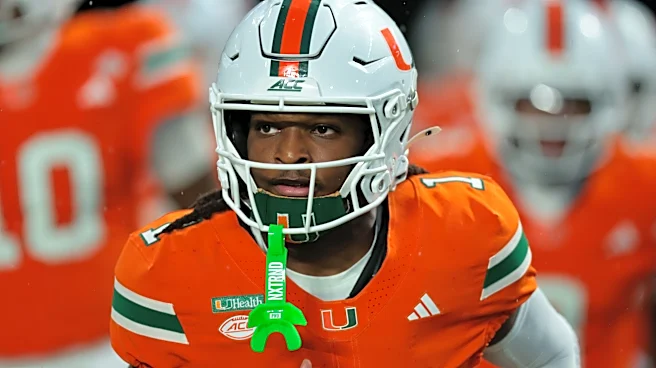
No. 1 Miami was the sole team to retain its ranking in The Associated Press Top 25 poll, released on Sunday, October 25, 2026. This occurred during a season marked by significant upsets, including three more top-10 teams losing on Saturday, bringing the total
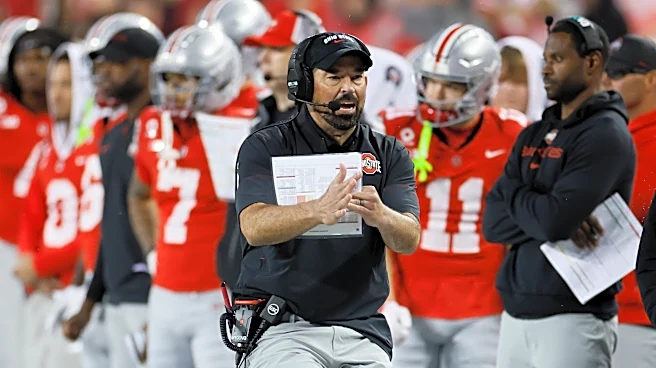
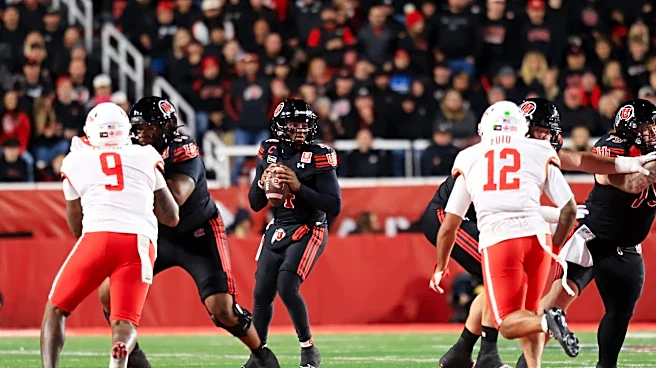
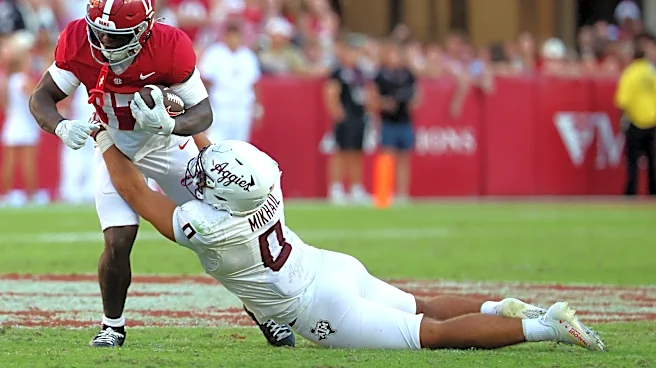
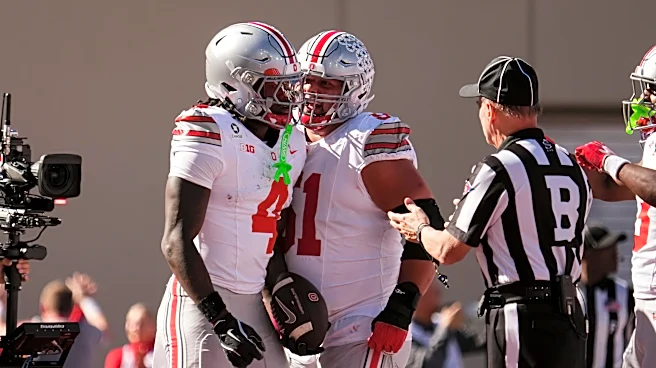
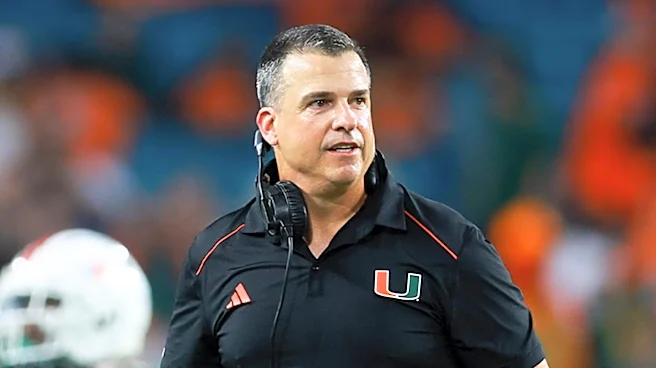
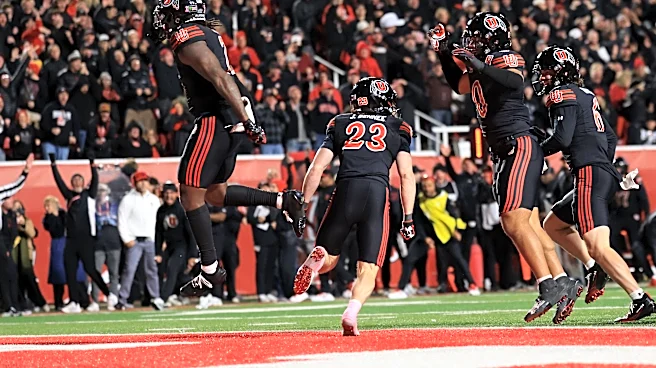
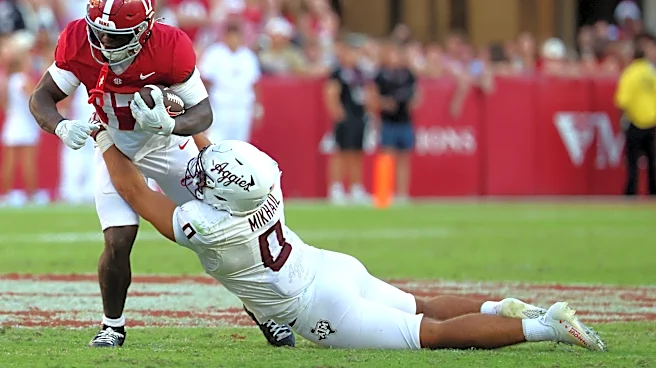
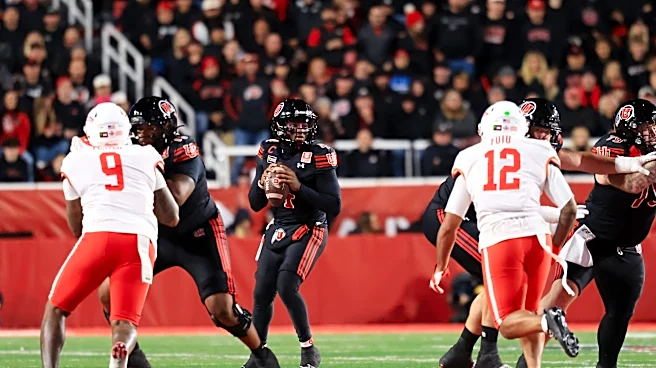
to ten top-10 losses in the last three weeks. Ohio State moved up to No. 2, while BYU fell six spots to No. 8 after a loss to UCF. Miami, Utah, and UCLA are the only remaining unbeaten Bowl Subdivision teams, a low number not seen since 1977. Miami, playing as the No. 1 team for the first time since 2002, routed Pitt 52-23 at home, securing 59 of 70 first-place votes. Other notable movements include Georgia rising to No. 3, Indiana to No. 4, and Notre Dame slipping to No. 5. Kentucky entered the top 10 for the first time since 2022, and Alabama returned after avoiding a three-game losing streak.
Why It's Important?
This widespread volatility in the AP Top 25 poll signifies a highly unpredictable and competitive college football season, potentially impacting viewership, team sponsorships, and the overall financial landscape of collegiate sports. The consistent upsets create a dynamic narrative that can boost fan engagement and media interest, but also introduce uncertainty for teams vying for playoff spots and national recognition. For conferences like the Big 12, matching its record with six ranked teams, it highlights a shift in power dynamics within college football, potentially influencing future recruiting efforts and conference prestige. The financial implications extend to bowl game selections and television rights, as a more competitive field can lead to higher stakes and increased revenue opportunities for participating institutions and their respective conferences. The performance of teams like Miami, maintaining their top spot, can also influence local economies through increased fan travel and merchandise sales.
What's Next?
The college football season is expected to continue with high levels of unpredictability, as evidenced by the ongoing upsets. Upcoming ranked vs. ranked matchups, such as No. 17 Florida against No. 3 Georgia and No. 22 Arizona at No. 13 Texas Tech, will be critical in shaping the future AP Top 25 rankings and the College Football Playoff picture. These games will determine which teams can sustain their momentum and which will fall out of contention. The continued reordering of the poll will likely keep fans and analysts engaged, with potential implications for end-of-season awards, bowl game selections, and the ultimate national championship contenders. Teams will focus on maintaining consistency and avoiding upsets to secure favorable standings as the season progresses.
Beyond the Headlines
The current college football season, characterized by its unprecedented number of upsets, reflects a broader trend of increased parity within the sport. This shift challenges traditional power structures and narratives, suggesting that a wider array of programs are capable of competing at the highest level. This could lead to a re-evaluation of recruiting strategies, coaching philosophies, and resource allocation across collegiate athletic departments. The ethical implications of such a volatile season include heightened scrutiny on coaching decisions and player performance, as every game carries significant weight. Culturally, it fosters a more inclusive and exciting environment for fans, as underdog stories become more prevalent. Long-term, this trend could reshape the landscape of college football, potentially leading to more diverse representation in championship contention and a more dynamic viewing experience for audiences nationwide.