





What's Happening?
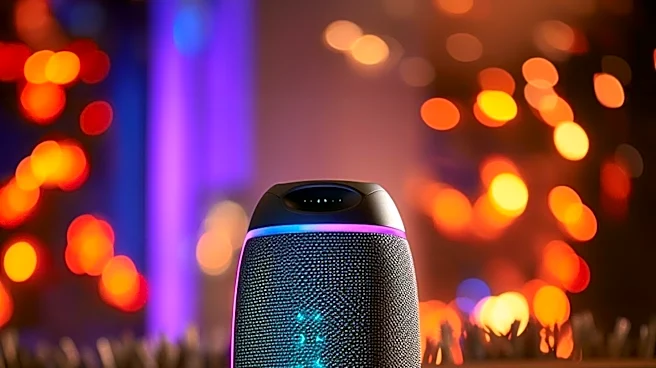
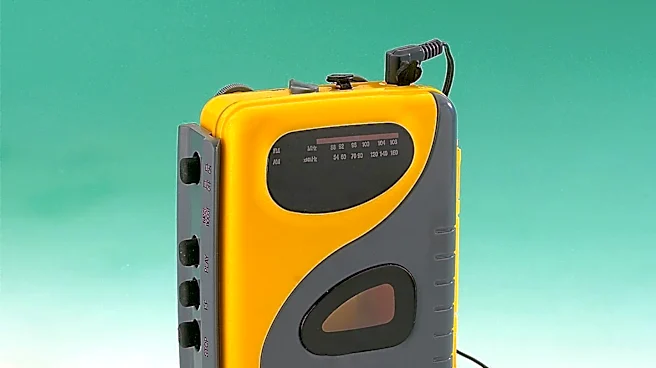
Many users are searching for dedicated portable devices to play YouTube Music, often using terms like 'YouTube MO3 player' or 'YouTube M3P player.' This indicates a desire for a small, portable player that can handle YouTube audio and MP3 files without
requiring a smartphone. The core need is for an offline YouTube Music player, which, in practical terms, means an Android-based device capable of running the YouTube Music app with Wi-Fi and sufficient RAM. These users are looking to avoid common smartphone issues such as battery drain, constant notifications interrupting playback, and the temptation of 'doom-scrolling' while trying to enjoy music. While Linux-based Hi-Res players exist for local file playback, they cannot install streaming apps like YouTube Music, making Android devices the only viable option for app-based streaming. The confusion arises from users expecting a specialized 'YouTube player' hardware category, which doesn't exist separately from general Android devices.
Why It's Important?
The demand for dedicated YouTube Music players highlights a significant shift in consumer behavior, where users prioritize an uninterrupted and focused listening experience over the multi-functionality of smartphones. This trend could influence the portable audio device market, potentially leading to increased innovation and product development in Android-based music players. For the music industry, it underscores the value of offline listening capabilities and the need for streaming services to cater to users who desire a distraction-free environment. Device manufacturers that can effectively address these user needs by offering responsive, battery-optimized, and user-friendly Android players specifically for music streaming stand to gain a competitive advantage. Conversely, companies that fail to recognize this niche demand might miss out on a growing segment of the market. The distinction between streaming-first users and those with downloaded music libraries also emphasizes the diverse preferences within the audio consumption landscape.
What's Next?
The market for portable music players is likely to see further segmentation, with manufacturers focusing on devices optimized for specific streaming services like YouTube Music. This could lead to the development of more Android-based players designed with dedicated battery budgets for streaming and improved screen usability for playlist navigation. Streaming services may also explore enhanced offline features or partnerships with hardware manufacturers to offer integrated solutions. Consumers will continue to seek devices that offer a clear separation between their music consumption and other digital distractions. The ongoing evolution of both hardware and software will aim to provide a seamless and focused audio experience, whether through app-based streaming or local file playback. The industry will need to continue educating consumers on the differences between various device types and their capabilities to manage expectations and guide purchasing decisions.
Beyond the Headlines
This trend reflects a broader societal desire for digital detox and focused engagement in an increasingly connected world. The 'quiet appeal of a device with nothing to log into' or that doesn't 'sync notifications' speaks to a growing fatigue with constant digital interruptions. This isn't just about music; it's about reclaiming attention and creating dedicated spaces for specific activities. For the tech industry, it suggests a potential counter-movement to the 'all-in-one' device philosophy, where specialized gadgets might find renewed relevance. Ethically, it raises questions about the design of digital experiences and whether platforms and devices are adequately supporting user well-being by offering options for focused engagement. Culturally, it signifies a re-evaluation of how we interact with technology, moving towards more intentional and less fragmented digital consumption habits, particularly in leisure activities like listening to music.