
What's Happening?
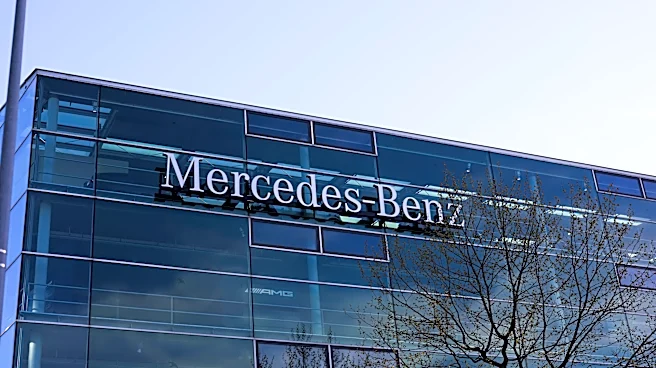
Mercedes-Benz is maintaining its long-standing reputation for luxury, safety, and innovation while actively addressing contemporary challenges such as climate change, urbanization, and digital transformation. The brand, which originated with Karl Benz's
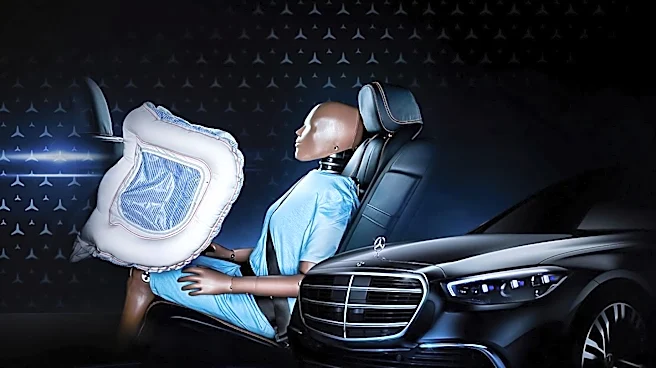
Motorwagen in 1886 and later merged with Gottlieb Daimler's company in 1926, has consistently introduced pioneering technologies. Historically, Mercedes-Benz has been at the forefront of automotive safety, implementing features like three-point seat belts, airbags, and advanced driver-assistance systems. The company is now heavily investing in electric mobility, with ambitious plans to transition to an all-electric lineup. Flagship electric vehicles like the EQS showcase this commitment, integrating cutting-edge infotainment systems such as the MBUX Hyperscreen. Mercedes-Benz is also exploring hydrogen fuel cell technology as part of its broader strategy for a zero-emission future, ensuring its continued leadership in the evolving automotive landscape.
Why It's Important?
Mercedes-Benz's strategic pivot towards electric mobility and sustainable solutions is crucial for the U.S. automotive market and global industry trends. As a leading luxury brand, its commitment to phasing out internal combustion engines sets a significant precedent, influencing consumer expectations and accelerating the adoption of electric vehicles. This shift impacts U.S. consumers by offering more advanced, environmentally friendly luxury options, while also driving competition among other manufacturers to innovate in the EV space. The brand's continued investment in safety and technological advancements, such as autonomous driving features and advanced infotainment, will likely become industry benchmarks, pushing the entire sector towards higher standards. Furthermore, Mercedes-Benz's efforts in sustainability contribute to broader environmental goals, potentially influencing regulatory frameworks and consumer preferences for eco-conscious transportation in the U.S.
What's Next?
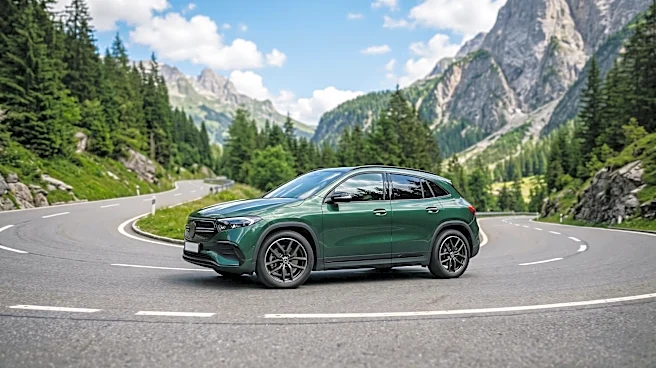
Mercedes-Benz is poised to continue its aggressive rollout of electric vehicles, with models like the EQA, EQB, EQE, and EQS expanding its electric portfolio across various segments. The company's ongoing investment in research and development will likely lead to further advancements in battery technology, charging infrastructure, and autonomous driving capabilities. Consumers can expect to see more integrated digital experiences within Mercedes-Benz vehicles, as exemplified by the MBUX Hyperscreen, which will become more prevalent across its lineup. The brand's exploration of hydrogen fuel cell technology suggests a diversified approach to future powertrains, indicating potential long-term alternatives to battery-electric vehicles. These developments will likely intensify competition within the luxury EV market, prompting other manufacturers to accelerate their own electrification strategies and technological innovations to keep pace.
Beyond the Headlines
The transformation of Mercedes-Benz extends beyond mere product offerings, touching upon broader societal and economic shifts. The company's commitment to sustainability and zero-emission vehicles reflects a growing global consciousness about environmental impact, potentially influencing consumer values and purchasing decisions in the U.S. The emphasis on advanced technology and digital integration within its vehicles also highlights the increasing convergence of automotive and tech industries, raising questions about data privacy, cybersecurity, and the future of in-car experiences. As Mercedes-Benz pushes the boundaries of luxury and performance in the electric era, it also contributes to the evolving definition of mobility, where vehicles are not just transportation but integrated digital platforms. This shift could lead to new business models, partnerships, and regulatory challenges as the industry navigates a future driven by electrification and connectivity.