



What's Happening?
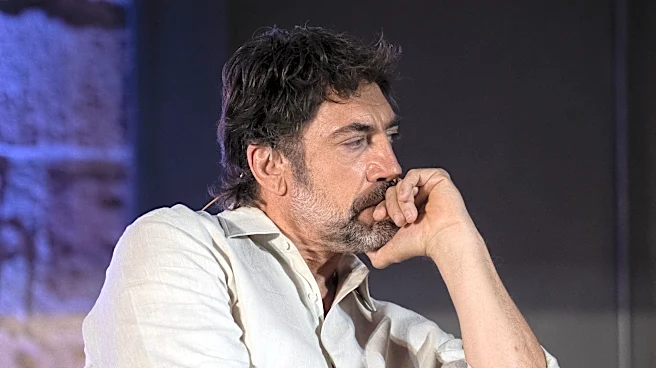
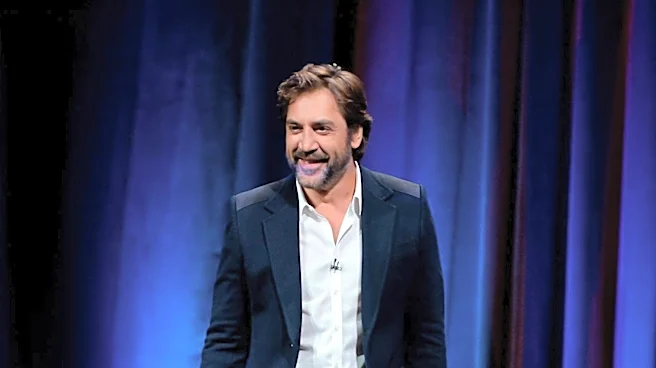
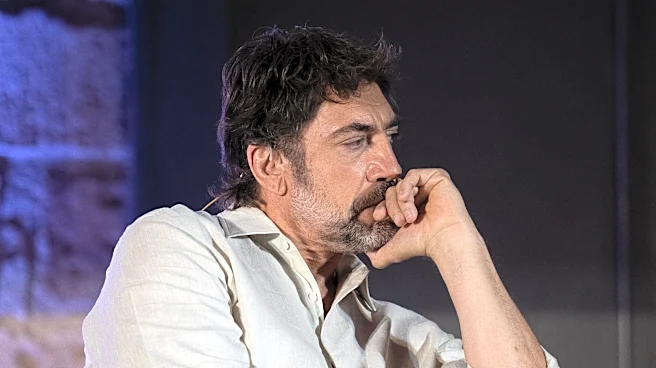
Renowned actor Javier Bardem is making his theatrical debut at 57 years old in the play "¡Chéjov, Chéjov!" at the Espacio Zafra Teatro in Madrid. The production, directed by his long-time mentor Juan Carlos Corazza, combines five short pieces by Anton
Chekhov, including 'About the Harmfulness of Tobacco,' 'The Proposal,' 'Tragic Despite Himself,' 'The Bear,' and 'The Anniversary,' along with other brief stories. Bardem stars alongside Alicia Borrachero, Rafa Castejón, Ben Temple, and Manuela Velasco, all of whom have been colleagues and friends for 30 years. The play, which features the five actors transforming into 18 different characters, has been in rehearsals for several weeks. Bardem expressed that performing in theater has always been a deeply respected aspect of his profession, and he waited for the right moment and director, Corazza, to undertake this challenge. The intimate setting of Espacio Zafra Teatro, a small school theater in Madrid, was chosen for its humble and experimental atmosphere, aligning with Bardem's desire for a process-oriented performance rather than a definitive result. All tickets for the run, which extends until February 7, quickly sold out.
Why It's Important?
Javier Bardem's theatrical debut is significant as it marks a new chapter in the career of an Academy Award-winning actor who has primarily focused on film. His decision to perform in a small, intimate theater rather than a large venue underscores a commitment to artistic exploration and humility, potentially influencing other established actors to seek similar experiences. This move highlights the enduring appeal and artistic value of live theater, even for global film stars. For the Spanish theater scene, Bardem's participation brings considerable attention and prestige, potentially drawing new audiences and investment into local productions. His collaboration with Juan Carlos Corazza, a respected acting coach, also emphasizes the importance of mentorship and continuous artistic development, regardless of an actor's career stage. The sold-out performances demonstrate a strong public appetite for high-quality theatrical productions featuring prominent talent, reinforcing the cultural significance of live arts in Madrid.
What's Next?
The play "¡Chéjov, Chéjov!" is scheduled to run until February 7. Given the rapid sell-out of tickets and the high profile of Javier Bardem, there may be discussions about extending the run or taking the production on tour, although Bardem has indicated that a tour might not be feasible due to the financial model of the current production. Bardem has also announced that he will not attend the Goya Awards gala, where he is a potential favorite for his role in 'El ser querido,' due to a scheduled performance on February 6. This commitment to his theatrical role over a major film award ceremony further emphasizes his dedication to this new venture. The success of this debut could lead Bardem to pursue more stage roles in the future, potentially inspiring other film actors to explore theater. The production's critical reception will also be closely watched, as it could influence future collaborations between prominent actors and smaller, artistically focused theater companies.
Beyond the Headlines
Bardem's choice to debut in theater at this stage of his career, particularly in a modest venue and with a focus on the artistic process, reflects a deeper engagement with the craft of acting. He described the experience as "the gift of remembering how humble it is to be an actor," emphasizing generosity and the role of an actor as a "vehicle" for storytelling. This perspective challenges the conventional pursuit of larger, more commercial projects often associated with actors of his stature. The play's exploration of Chekhov's humanism, as highlighted by director Corazza, also suggests a thematic depth that resonates with current societal divisions, promoting the idea of human connection. Bardem's public comments on the upcoming elections, expressing hope for a progressive government that respects public health, women's rights, and social welfare, connect his artistic endeavors with broader social and political concerns, positioning him not just as an actor but as a public figure with a voice on societal issues.