


What's Happening?
A new Music Impact Report 2026, commissioned by TikTok in partnership with Luminate, reveals TikTok's increasing role as a primary engine for music discovery and artist development in the U.S. The report, based on data collected from March 11 to December
4, 2025, indicates that 94% of songs entering the Billboard Global 200 in 2025 first gained viral traction on TikTok. Songs that achieved a viral moment on the platform remained on the Billboard Global 200 chart four times longer and reached a significantly higher median chart peak (#79 versus #120 for non-viral tracks). Furthermore, 45% of all U.S. users rely on TikTok to discover new music and artists, surpassing other major social media platforms. The report also highlights that U.S. music listeners on TikTok are 78% more likely to use a paid music streaming service and 61% have purchased digital or physical music in the past year, spending 22% more on physical formats than the average music listener. The platform also fosters strong fan communities, with 74% of music-listening users feeling connected to like-minded fans.
Why It's Important?
This report underscores TikTok's profound and growing influence on the U.S. music industry, shifting traditional paradigms of artist development, music discovery, and commercial success. The data suggests that a viral moment on TikTok is becoming a near-essential catalyst for a song's entry and longevity on global music charts, directly impacting artists' careers and record labels' strategies. For U.S. artists, gaining traction on TikTok can translate into significant off-platform streaming numbers, increased physical and digital sales, and higher engagement with paid streaming services. This trend redefines how music is marketed and consumed, making TikTok a critical platform for reaching audiences and generating revenue. The platform's ability to cultivate dedicated fan communities also highlights its role in building long-term artist-fan relationships, which are crucial for sustained success in the modern music landscape. The report's findings are particularly relevant for U.S. businesses in the music sector, from independent artists to major labels, as they must adapt their strategies to leverage TikTok's unique ecosystem for discovery and monetization.
What's Next?
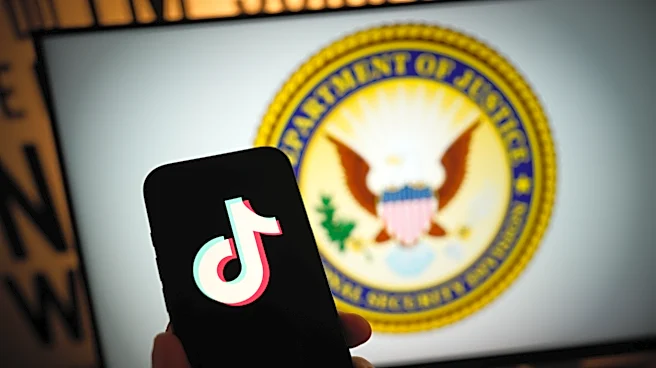
The report's findings, while based on 2025 data, provide a strong indication of TikTok's continued trajectory in the music industry. However, the report notes that TikTok's U.S. operations were transferred to a new majority non-Chinese joint venture on January 22, 2026, with Oracle taking over data protection and retraining the recommendation algorithm. This significant structural change means that the 2027 Music Impact Report will be crucial for assessing the long-term effects of these changes on the platform's influence and its impact on the music industry. Artists, labels, and music marketers will continue to refine their strategies to maximize their presence and virality on TikTok, adapting to any shifts in the algorithm or user behavior. The platform's role in music discovery and monetization is expected to remain central, prompting ongoing innovation in how music content is created, promoted, and consumed within the U.S. market.
Beyond the Headlines
The report's insights extend beyond mere chart success, touching upon the evolving nature of fandom and community in the digital age. TikTok's ability to connect users with like-minded fans and foster dedicated artist communities suggests a deeper cultural impact, where music consumption is increasingly intertwined with social interaction and identity formation. This phenomenon has implications for how artists build and sustain their careers, moving beyond traditional promotional cycles to more organic, community-driven engagement. Furthermore, the report implicitly highlights the power of algorithms in shaping cultural trends and consumer behavior, raising questions about the ethical considerations and transparency surrounding these powerful tools. The platform's influence on music discovery also points to a broader shift in media consumption, where short-form video content plays a dominant role in introducing new cultural products and shaping popular taste. This trend could lead to further integration of music and short-form video across other digital platforms.