

What's Happening?
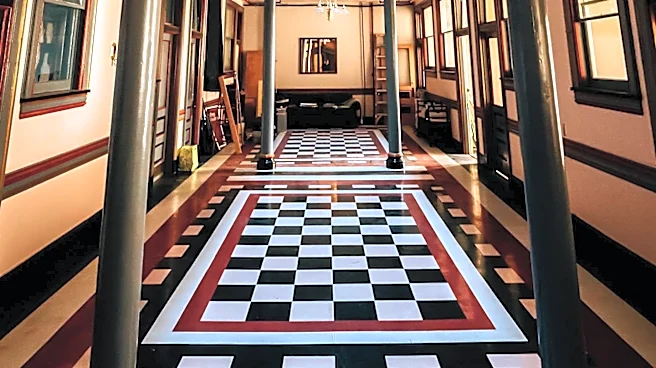
A 1930s post office in Bend, Oregon, has undergone an adaptive reuse transformation, converting the historic building into a boutique hotel named The Westman. The project prioritized preserving the building's original features, including the lobby's volume,
stone staircase, terrazzo floors, paneling, moldings, and Art Deco gilded trim, as well as a second-floor corridor. The design team collaborated with the owner to create an elevated yet casual hospitality experience, drawing inspiration from hotels in Aspen, Telluride, Ojai, New York, and San Francisco, while incorporating a distinct Central Oregon perspective. The visual language of the hotel references the local landscape through deep blues, juniper greens, and muted natural tones. Challenges such as integrating modern mechanical, electrical, and plumbing systems were addressed creatively; for instance, built-in window seats in second-floor rooms concealed ductwork and plumbing. The hotel's artwork pays homage to Bend's adventurous spirit and its founders, specifically Minnie Westman, the first female mail carrier west of the Mississippi River, who is the hotel's namesake.
Why It's Important?
This adaptive reuse project highlights a growing trend in urban development across the U.S., where historic buildings are repurposed to meet modern needs while retaining their cultural significance. By transforming a former post office into a boutique hotel, the project contributes to local economic development by attracting tourism and creating new jobs in the hospitality sector. It also demonstrates a sustainable approach to construction by revitalizing an existing structure rather than building anew, reducing waste and preserving architectural heritage. The unique character derived from the building's history, such as the original woodwork and terrazzo stone, offers a distinct appeal that cannot be replicated by new constructions, potentially drawing a specific demographic of travelers interested in unique, historically rich accommodations. This approach can serve as a model for other communities looking to preserve their past while fostering economic growth and sustainable practices.
What's Next?
The success of The Westman could encourage similar adaptive reuse projects in other U.S. cities with historic buildings, particularly those seeking to boost tourism and revitalize downtown areas. Developers and city planners may increasingly look to convert underutilized historical structures into hotels, mixed-use spaces, or other commercial ventures. This trend could lead to new partnerships between preservation societies, local governments, and private developers. Furthermore, the project's emphasis on integrating local history and natural aesthetics could influence future hospitality designs, promoting a more localized and authentic guest experience. The hotel's operation will likely continue to contribute to Bend's tourism economy, potentially inspiring further investment in the area's unique cultural and outdoor attractions.
Beyond the Headlines
The transformation of the 1930s post office into The Westman hotel reflects a broader cultural shift towards valuing authenticity and historical narrative in consumer experiences. In an increasingly homogenized world, unique spaces with a story to tell offer a compelling alternative to generic accommodations. This project also underscores the ethical considerations of urban development, balancing the need for progress with the imperative to preserve architectural heritage. The creative solutions employed to overcome structural constraints, such as using window seats to conceal ductwork, exemplify innovative problem-solving that respects the integrity of the original design. The hotel's dedication to Minnie Westman, a pioneering female figure, adds a layer of social significance, celebrating local history and inspiring narratives within the modern context of hospitality.