


What's Happening?
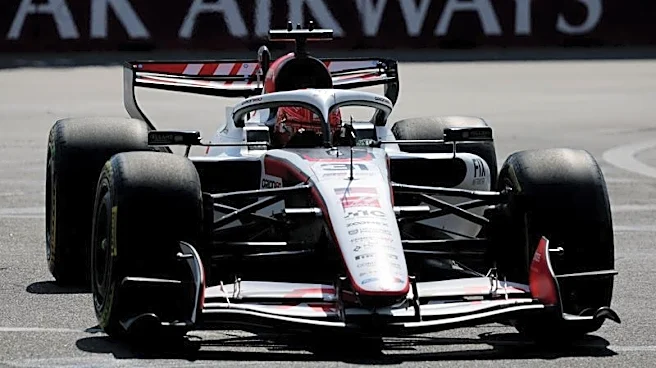
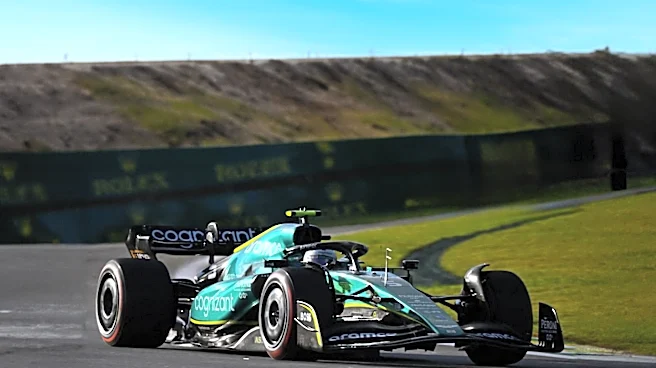
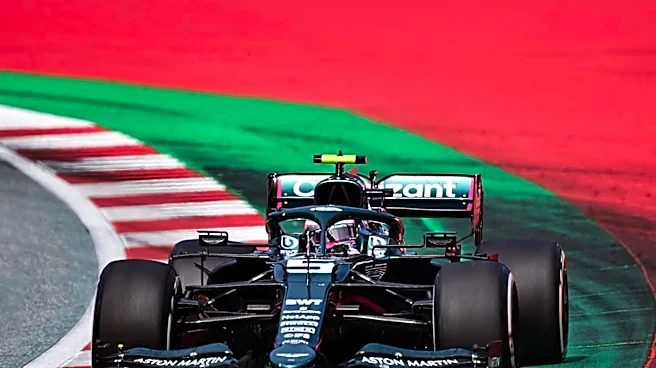
Lance Stroll, a driver for the Aston Martin Formula 1 team, has stated that the Honda engine currently used by the team is costing them approximately two seconds per lap. This assessment comes despite Honda's recent introduction of its second Formula 1 power
unit upgrade of the season, known as ADUO 2. The upgrade, which included an updated turbocharger, was secretly fitted to Stroll's car at the Spanish Grand Prix, while teammate Fernando Alonso received it earlier at the Azerbaijan Grand Prix. Stroll indicated that the upgrade made little difference, highlighting that the team is significantly struggling on the engine side. He noted that the performance deficit varies between one and two seconds depending on the track, with circuits like Baku and Monza being particularly challenging due to their reliance on engine power. Aston Martin became the Honda works team for 2026, ending its previous supply deal with Mercedes, and both Stroll and Alonso are confirmed to return for the 2027 season.
Why It's Important?
This revelation by Lance Stroll underscores a critical performance issue for Aston Martin in Formula 1, directly impacting their competitiveness and future prospects. A two-second per lap deficit in F1 is substantial, often meaning the difference between competing for podiums and struggling to score points. For Aston Martin, this engine weakness could jeopardize their long-term ambitions in the sport, especially after committing to Honda as their exclusive power unit supplier for 2026. The team's decision to switch from Mercedes to Honda was a strategic move to gain a 'works team' advantage, but if the engine underperforms, it could undermine their entire development trajectory. This situation also puts pressure on Honda to rapidly improve its power unit, as its reputation and future involvement in F1 are linked to Aston Martin's success. The performance gap could deter potential sponsors and talent, affecting the team's financial stability and ability to attract top engineers and drivers in the highly competitive F1 landscape.
What's Next?
Aston Martin and Honda are expected to intensify their collaborative efforts to address the significant engine performance deficit. Stroll mentioned that they are 'working together to get it right' and have 'some ideas for next year,' suggesting that further upgrades or a revised development strategy for the power unit are in the pipeline. The focus will likely be on the 2027 season, as Stroll acknowledged that the engine remains a 'big question mark' for that year. Honda is reportedly 'pushing flat out' to bring more power, indicating a concerted effort to close the gap. The team will need to demonstrate tangible improvements in engine performance in upcoming races and during the off-season to reassure stakeholders and maintain their competitive aspirations. The performance of the Honda power unit in early 2027 will be a crucial indicator of whether these efforts have been successful and if Aston Martin can become a front-running team.
Beyond the Headlines
The ongoing struggles with the Honda engine for Aston Martin highlight the immense technical challenges and financial investments required to succeed in Formula 1. The 'works team' model, where a constructor partners exclusively with an engine manufacturer, is often seen as a pathway to championship contention, but this situation demonstrates that success is not guaranteed. It also brings into question the long-term stability of such partnerships if performance targets are not met. The ethical dimension arises in the transparency of engine upgrades; Honda's 'secret' introduction of ADUO 2 suggests a desire to manage expectations or avoid public scrutiny, but Stroll's candid assessment has brought the issues to light. This scenario could influence future engine regulations and manufacturer commitments in F1, as teams and suppliers weigh the risks and rewards of exclusive partnerships against the potential for performance shortfalls. The pressure on both Aston Martin and Honda will be immense to deliver a competitive package, impacting their brand image and commercial viability in the sport.