
What's Happening?
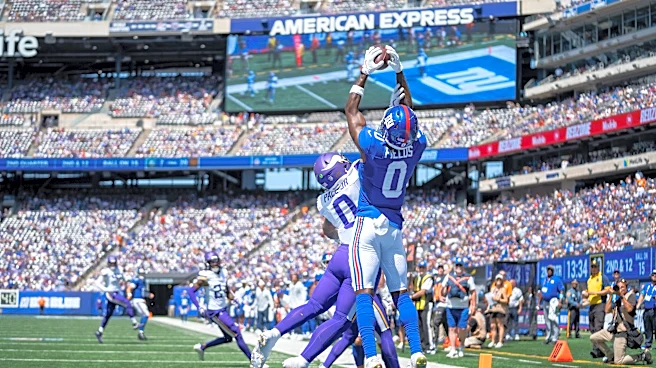
Malachi Fields, a third-round pick for the Giants, has shown significant promise and reliability through his first nine games in the NFL season. He has accumulated 350 receiving yards and one touchdown
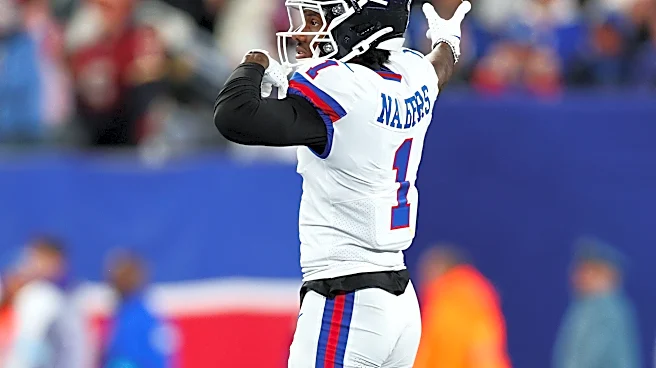
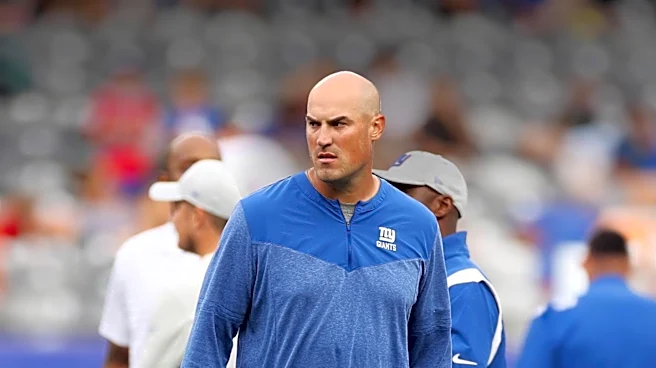
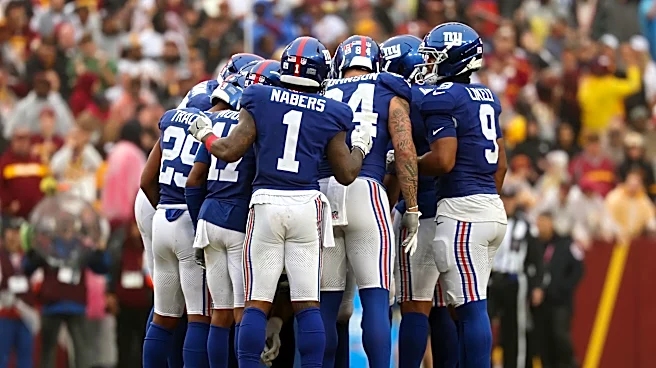
on 22 receptions from 38 targets, notably without dropping a single pass. This consistent performance has made him a standout in an offense that has faced challenges in maintaining drives. Offensive coordinator Matt Nagy has expressed no surprise at Fields' steady play, highlighting the team's decision to trade up in the draft to secure him at the 74th overall pick. Fields has become an integral part of the Giants' passing attack, operating behind key players like Malik Nabers and Isaiah Likely. His recent contributions include 10 receptions for 185 yards over the last three games, with a notable three catches for 62 yards in the recent loss to Washington. The offensive dynamic has shifted since J.J. McCarthy took over as the starting quarterback in Week 7, providing Fields with more opportunities to make plays in open space.
Why It's Important?
Malachi Fields' early performance is significant for the Giants as it indicates a successful draft pick and the emergence of a reliable offensive weapon. His ability to consistently catch passes without drops provides a crucial element of stability for an offense that has struggled with efficiency. This reliability can build trust with the quarterback and coaching staff, potentially leading to an expanded role in the game plan. For the Giants, having a rookie contribute at this level validates their investment in trading up to draft him, suggesting a positive return on their draft capital. His development also alleviates some pressure on primary targets like Nabers and Likely, as defenses must now account for Fields, creating more one-on-one opportunities across the field. This could lead to a more balanced and unpredictable offensive scheme, making the Giants a more challenging team to defend. His growth also signals potential long-term stability at the wide receiver position for the franchise.
What's Next?
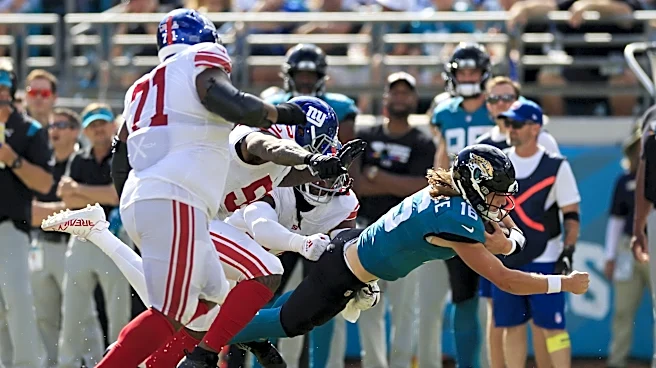
As Malachi Fields continues to demonstrate his capabilities, it is likely that his role within the Giants' offense will expand further. With quarterback J.J. McCarthy now established as the starter, the chemistry between McCarthy and Fields is expected to grow, potentially leading to more targeted passes and designed plays for the rookie. Coaches, including offensive coordinator Matt Nagy, have expressed high expectations for Fields' future, suggesting that his ceiling is considerably high. Teammates like Isaiah Likely and Malik Nabers also recognize his talent and growing understanding of defensive schemes, indicating increased trust on the field. The Giants will continue to test this evolving offensive chemistry in upcoming games, including their matchup against the Jacksonville Jaguars. Continued strong performances from Fields could solidify his position as a key contributor and potentially lead to more significant statistical output as the season progresses and into future seasons.
Beyond the Headlines
Malachi Fields' rapid assimilation and consistent performance as a rookie highlight the increasing importance of immediate impact players in the NFL, especially for teams looking to rebuild or strengthen their offensive units. His success underscores the value of a player's mental acuity and reliability, beyond just raw athletic talent. In an era where many rookie wide receivers face a steep learning curve, Fields' ability to avoid drops and understand defensive coverages sets him apart. This also speaks to the effectiveness of the Giants' scouting and player development programs, which identified and nurtured his potential. Furthermore, his emergence could influence future draft strategies across the league, emphasizing the importance of securing players who demonstrate high football IQ and dependable hands. His journey could serve as a case study for how a third-round pick can quickly become a vital component of an NFL offense, challenging the notion that only first-round selections can make immediate significant contributions.