



What's Happening?
Recent trends in home design are focusing on minimalism and simplification, with designers emphasizing strategies to reduce visual clutter and create more functional living spaces. This approach moves beyond the traditional idea of decluttering as simply
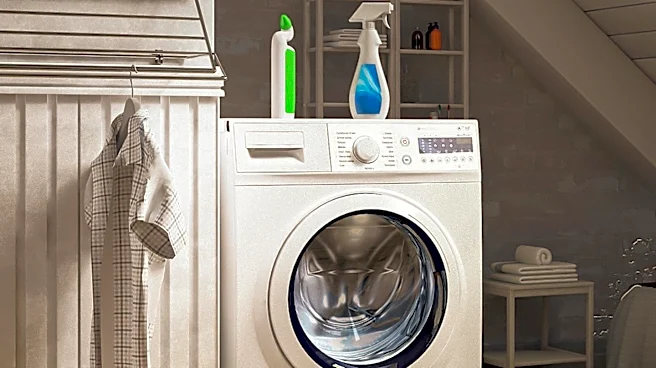
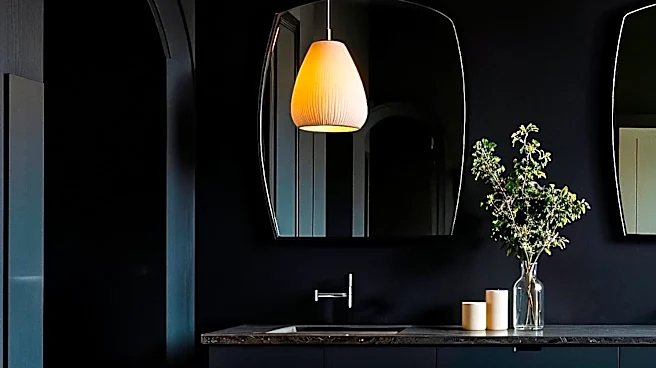
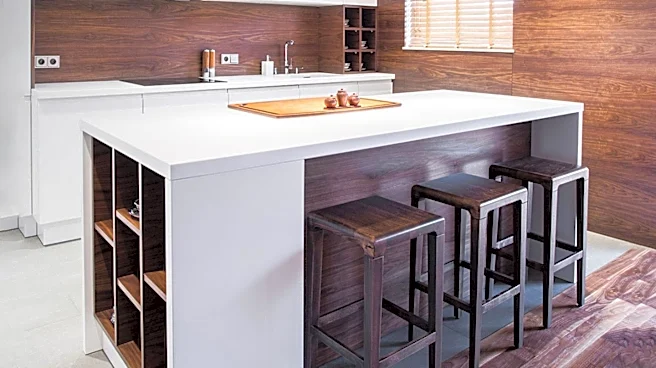
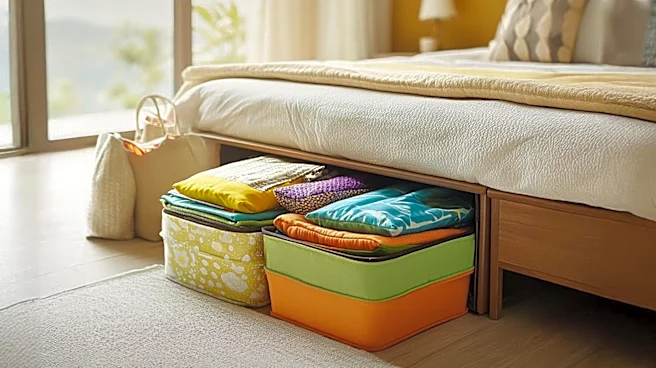
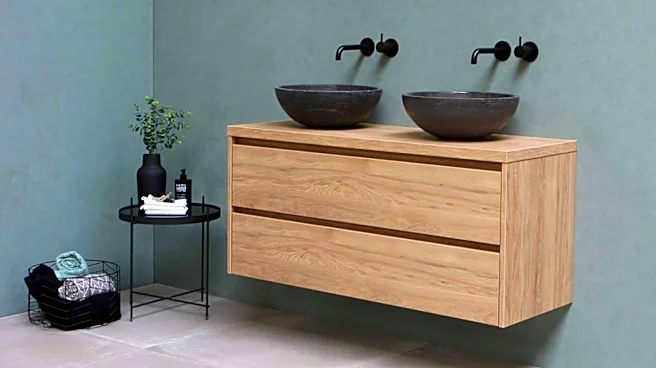
getting rid of possessions, instead reframing it as an intentional design choice. For instance, in kitchen and bathroom redesigns, professionals are incorporating integrated appliances and hidden storage solutions to maintain a tidy appearance. This includes counter-cabinets designed to conceal small appliances and less visible storage for items like soaps and shampoos in showers. The goal is to build systems that prevent the daily accumulation of clutter, ensuring that everything has a designated, easily accessible, yet out-of-sight home. This design philosophy aims to create spaces that feel organized and serene without requiring constant tidying.
Why It's Important?
The emphasis on integrated design and hidden storage reflects a growing recognition of visual clutter as a significant daily stressor for many U.S. households. By addressing clutter through design rather than solely through personal discipline, designers are offering practical solutions that can enhance mental well-being and improve the functionality of high-traffic areas like kitchens and bathrooms. This trend impacts the home improvement and interior design industries, driving demand for innovative storage products and integrated appliance solutions. Consumers stand to gain from more organized and calming home environments, potentially reducing stress and increasing satisfaction with their living spaces. For manufacturers and retailers, understanding this shift towards intentional minimalism and integrated solutions is crucial for developing products that meet evolving consumer needs and preferences in the U.S. market.
What's Next?
The continued evolution of decluttering trends is likely to see further innovation in smart storage solutions and multi-functional furniture. As consumers increasingly prioritize mental well-being and streamlined living, demand for professional design services that specialize in minimalist and functional aesthetics is expected to grow. Manufacturers will likely respond by developing more sophisticated integrated appliances and modular storage systems that can be seamlessly incorporated into various home designs. We may also see a greater focus on sustainable and durable materials that contribute to a sense of richness and quality without adding visual noise. The design industry will continue to educate consumers on the benefits of intentional design over mere aesthetic appeal, fostering a deeper understanding of how physical spaces impact daily life and overall well-being.
Beyond the Headlines
This shift in decluttering philosophy highlights a broader cultural movement towards intentional living and a re-evaluation of consumerism. The idea that possessions can evoke pride and memories, as suggested by the concept of 'reverse decluttering,' challenges the strict 'less is more' mantra, suggesting a more nuanced approach to personal belongings. This trend encourages individuals to consider the emotional and functional value of their items, rather than simply discarding them. Ethically, it promotes thoughtful consumption and design that supports long-term usability and reduces waste. Culturally, it reflects a desire for tranquility and order in an increasingly complex world, where the home serves as a sanctuary from external chaos. This deeper implication suggests a move towards a more mindful relationship with our living spaces and the objects within them.