






What's Happening?
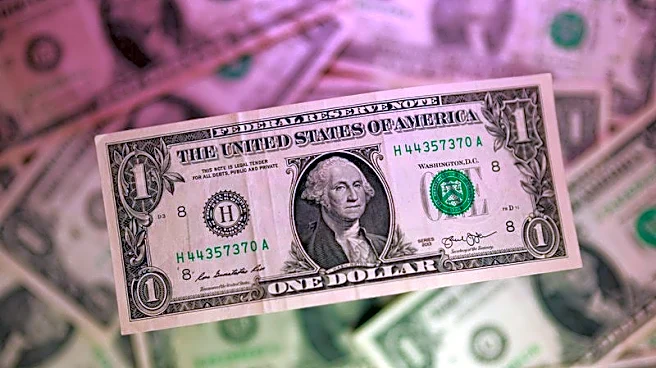
The Federal Reserve Bank of New York reported on Thursday that the Federal Reserve did not intervene in foreign exchange markets during the third quarter of 2026, spanning July through September. This information was disclosed in its quarterly report to
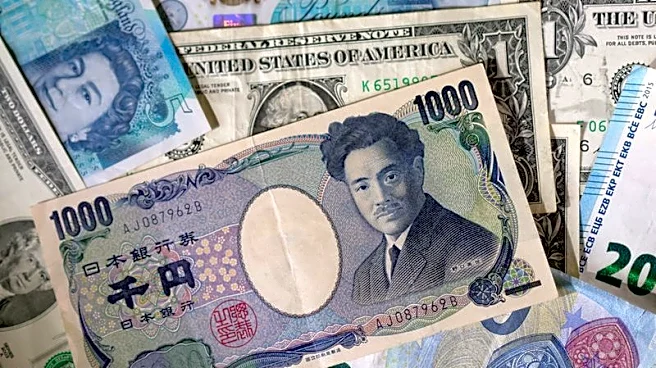
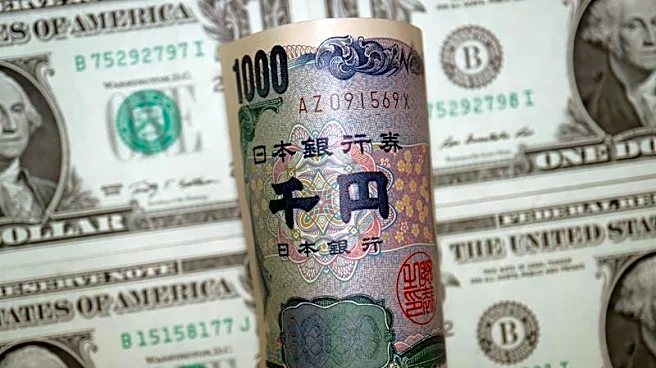
the U.S. Congress. Concurrently, the U.S. Treasury engaged in foreign exchange markets during the same period, specifically purchasing Japanese yen. The U.S. dollar, as measured by the Federal Reserve Board’s broad trade-weighted dollar index, showed little net change over the quarter. Dollar movements were largely consistent with shifts in interest rate differentials between the U.S. and advanced foreign economies (AFE), which also ended the quarter with minimal net change despite significant intra-quarter fluctuations. Early in the quarter, U.S.–AFE interest rate differentials narrowed due to resilient foreign macroeconomic data and increased global inflation risks from higher energy prices, leading to broad dollar depreciation. These trends reversed later in the quarter as stronger-than-expected U.S. economic data and communications from Federal Reserve officials led to an upward repricing of the Federal Reserve’s policy path.
Why It's Important?
This report highlights the distinct roles of the Federal Reserve and the U.S. Treasury in managing the nation's financial stability and international economic relations. The Federal Reserve's decision not to intervene in foreign exchange markets indicates its confidence in the market's ability to self-correct or that other monetary policy tools are deemed more appropriate for current economic conditions. Conversely, the U.S. Treasury's purchase of Japanese yen suggests a targeted intervention aimed at influencing currency valuations, likely to support specific trade objectives or stabilize financial markets. The mixed performance of the dollar, depreciating against some Asian currencies while appreciating against others like the euro and Mexican peso, reflects the complex interplay of global economic factors, including interest rate differentials and inflation expectations. These actions and market dynamics have significant implications for U.S. trade competitiveness, the cost of imports and exports, and the overall stability of the global financial system.
What's Next?
The Federal Reserve Bank of New York's report provides a retrospective view of foreign exchange operations. Future interventions by the U.S. Treasury or the Federal Reserve will depend on evolving economic conditions, particularly inflation trends, interest rate differentials, and global geopolitical developments. The ongoing re-evaluation of the Federal Reserve's policy path, driven by U.S. economic data and official communications, will continue to influence the dollar's value and international capital flows. Market participants will closely monitor future reports and statements from both the Federal Reserve and the U.S. Treasury for any indications of shifts in foreign exchange policy or intervention strategies, which could impact currency markets and international trade dynamics.
Beyond the Headlines
The nuanced approach to foreign exchange management, with the Federal Reserve abstaining from intervention while the U.S. Treasury actively participates, underscores the intricate division of labor within U.S. economic policy. This separation allows for specialized responses to different types of market pressures—monetary policy for domestic stability and targeted interventions for international economic objectives. The report also subtly points to the broader geopolitical landscape, with 're-escalation of the Middle East conflict' impacting energy prices and global inflation risks. Such external factors can significantly complicate domestic economic policy, forcing policymakers to consider a wider array of variables beyond traditional economic indicators. The dollar's mixed performance against various currencies highlights the challenges of maintaining a stable global financial system in an interconnected world, where local events can have far-reaching international consequences.