






What's Happening?
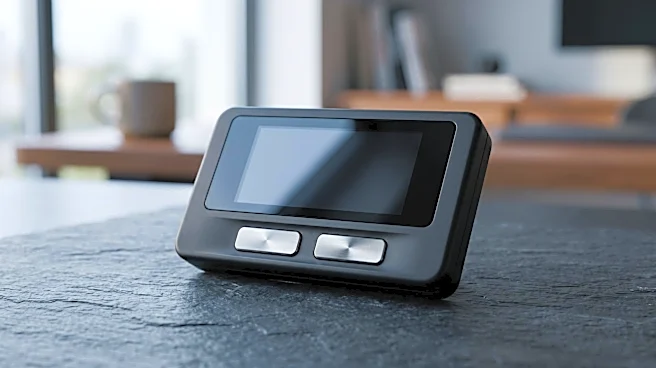
Kraken, a cryptocurrency exchange, has integrated Ledger hardware wallets to streamline and enhance the security of Ethereum (ETH) deposits and withdrawals. This new feature allows users to connect their Ledger device directly to Kraken, eliminating the need
to manually copy and paste wallet addresses, which reduces the risk of errors and malicious attacks. For deposits, users select an account from their Ledger wallet, approve the transaction on the device, and the crypto is then sent to their Kraken deposit address. For withdrawals, users select a receiving address from their Ledger device and complete the withdrawal within Kraken, with an option to verify the address on their device. This integration ensures that private keys remain securely on the Ledger device, never exposed to Kraken, thereby enhancing user security.
Why It's Important?
This integration is a significant development for cryptocurrency users, particularly those prioritizing security and ease of use. By allowing direct connection of Ledger devices, Kraken addresses a critical pain point in crypto transactions: the risk associated with manual address handling. This reduces the potential for phishing scams, malware, and human error that can lead to irreversible loss of funds. For U.S. investors, this enhanced security feature can foster greater confidence in using centralized exchanges for managing their digital assets, potentially encouraging broader adoption of cryptocurrencies. The move also highlights a growing trend among exchanges to offer more robust security solutions, recognizing the importance of protecting user assets in a landscape prone to cyber threats. This could set a new standard for how exchanges interact with hardware wallets, benefiting the entire crypto ecosystem.
What's Next?
The integration of Ledger devices by Kraken is likely to be followed by similar initiatives from other cryptocurrency exchanges, as the demand for enhanced security features continues to grow. Users can expect more seamless and secure ways to manage their digital assets, with a focus on keeping private keys offline and under their direct control. Kraken will continue to process deposits once transactions reach the required network confirmations and withdrawals after normal processing checks. Users will need to ensure their Ledger wallet accounts have sufficient ETH to cover network fees for deposits. The ongoing evolution of security protocols and user-friendly interfaces will be a key area of development in the cryptocurrency space, aiming to make digital asset management as secure and straightforward as possible for a wider audience.
Beyond the Headlines
This development reflects a broader industry trend towards bridging the gap between the security of self-custody solutions, like hardware wallets, and the convenience of centralized exchanges. While hardware wallets offer superior security by keeping private keys offline, their integration with exchanges has historically been clunky. Kraken's move signifies a maturation of the crypto infrastructure, where user experience and security are no longer mutually exclusive. This could lead to a more hybrid approach to crypto management, where users leverage exchanges for trading and liquidity while maintaining ultimate control over their assets through hardware devices. The ethical implications revolve around user empowerment and the reduction of counterparty risk, as individuals gain more direct control over their digital wealth. This shift could also influence regulatory discussions around custodial practices and consumer protection in the digital asset market.