





What's Happening?
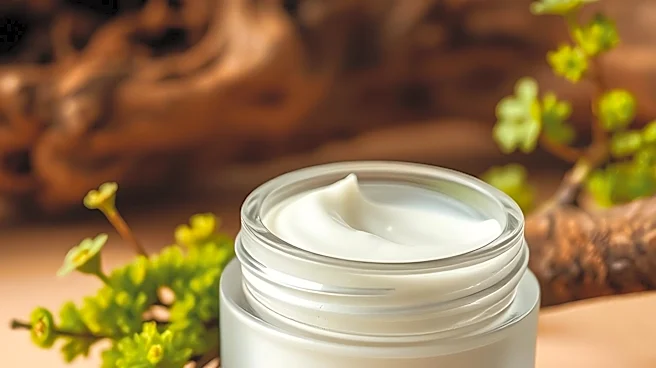
A313, a Vitamin A pomade traditionally used in French pharmacies as a gentle staple for irritated skin, has found new life and popularity in the U.S. market as an anti-aging product. This reinvention is largely driven by social media, particularly platforms
like TikTok, and a broader American fascination with French pharmacy culture. While French pharmacists like Natacha Bonjout confirm that A313 was historically used for functional medicine and soothing irritation, not anti-aging, U.S. consumers and beauty experts are embracing it for its retinol content. Paris-based esthetician Sophie Carbonari notes that in France, it was never marketed for anti-aging, but in the U.S., it's now sought after for firmer, brighter, and clearer skin due to its retinyl esters, which gently smooth uneven texture and boost collagen production.
Why It's Important?
The surge in A313's popularity in the U.S. highlights the significant influence of social media trends and the perceived allure of foreign beauty products on consumer behavior. This phenomenon demonstrates how a product's original intent can be reinterpreted and rebranded for a new market, creating substantial economic opportunities for retailers and distributors. For U.S. consumers, it offers an accessible and often more affordable alternative to high-end retinoids, promising benefits like smoother skin, improved texture, and reduced breakouts. However, it also underscores a potential disconnect between traditional European pharmaceutical uses and American consumer expectations, driven by marketing and online buzz. The success of A313 could pave the way for other European pharmacy staples to gain traction in the U.S., impacting the competitive landscape of the American skincare industry.
What's Next?
The continued virality of A313 on social media platforms suggests its popularity in the U.S. is likely to grow, potentially leading to increased availability in American retail channels beyond specialized imports. This trend could prompt other French pharmacy brands to actively market their products to the U.S. consumer base, potentially adapting their messaging to align with American beauty trends and demands. Additionally, the success of A313 might encourage U.S. beauty brands to develop similar, more affordable retinoid products, intensifying competition in the anti-aging skincare segment. Consumers can expect to see more discussions and reviews of A313 and similar products online, further solidifying its status as a cult favorite and influencing purchasing decisions.
Beyond the Headlines
The story of A313's journey from a French medical ointment to an American anti-aging sensation reveals deeper cultural and economic dynamics. It illustrates how globalization and digital platforms can rapidly transform product perceptions and market demand, often bypassing traditional marketing channels. This trend also reflects a broader consumer desire for 'insider secrets' and authentic, yet effective, beauty solutions, particularly those perceived to have a European cachet. The reinterpretation of A313's purpose raises questions about product labeling, consumer education, and the ethical implications of marketing products for uses beyond their original design. It also highlights the power of collective online endorsement in shaping beauty standards and purchasing habits, creating a unique blend of cultural exchange and commercial innovation.