






What's Happening?
Chinese luxury brands are increasingly gaining market share against established European fashion houses, both domestically and internationally. According to Business of Fashion, citing Bernstein data, five Chinese brands—Songmont, Qiuzhen, Grotto, and others—generated
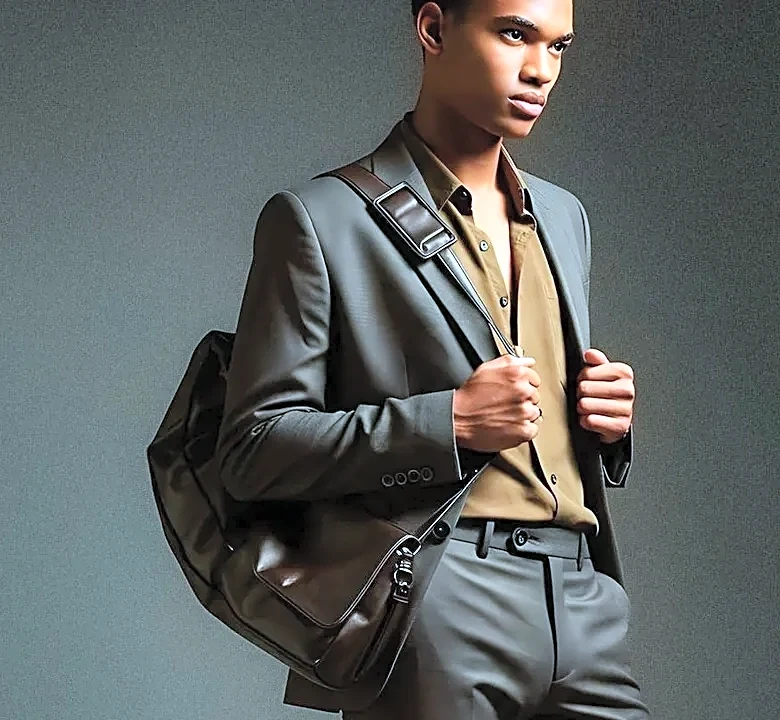
4.2 billion yuan (563 million euros) in sales on Tmall between June 2025 and June 2026, accounting for 18% of the category's sales. This occurred while overall sales of bags and luggage on the platform declined by an average of 1% annually from 2021 to 2025. Songmont, a key competitor, exceeded 1 billion yuan (134 million euros) in sales in 2025 with its minimalist leather bags that incorporate Chinese aesthetics and are priced significantly lower than European luxury items. The brand showcased its collection at Paris Fashion Week in September 2026 as part of its international expansion strategy. This trend is driven by a younger generation of Chinese consumers who increasingly prefer local brands and do not view European logos as essential status symbols. Similar shifts have been observed in the automotive sector, where Chinese manufacturers surpassed European brands in premium car sales in China in 2025.
Why It's Important?
This development signifies a significant shift in the global luxury market, challenging the long-standing dominance of European fashion houses. For U.S. consumers and retailers, this could mean increased diversity in luxury offerings and potentially more competitive pricing as Chinese brands expand their international presence. The rise of Chinese luxury brands reflects evolving consumer preferences, particularly among younger demographics, who prioritize unique designs, cultural relevance, and value over traditional brand prestige. This trend could force European and U.S. luxury brands to innovate and adapt their strategies to remain competitive, potentially leading to new collaborations, design approaches, or pricing models. The expansion of Chinese brands like Songmont into international markets, including manufacturing in Italy, indicates a serious intent to compete on a global scale, which could disrupt established supply chains and manufacturing hubs in the luxury sector. This also highlights the growing economic power and cultural influence of China in shaping global consumer trends.
What's Next?
The continued expansion of Chinese luxury brands into international markets is expected, with more brands likely to follow Songmont's lead in showcasing at major fashion events and establishing overseas retail networks. European fashion houses will likely face increased pressure to innovate and differentiate their products, potentially by emphasizing heritage, craftsmanship, or unique brand experiences. U.S. retailers may begin to stock more Chinese luxury brands to cater to evolving consumer tastes and capture new market segments. This competition could also lead to strategic partnerships or acquisitions between Western and Chinese luxury companies. Furthermore, the success of Chinese brands could inspire other emerging markets to develop and promote their own luxury industries, further diversifying the global fashion landscape. The shift in consumer perception, where local brands are increasingly valued, suggests a long-term trend that will require all players in the luxury market to re-evaluate their brand positioning and marketing strategies.
Beyond the Headlines
The rise of Chinese luxury brands represents more than just a market shift; it signifies a broader cultural re-evaluation of luxury and status. For decades, European brands have defined global luxury, but the growing preference for local designs among Chinese youth indicates a burgeoning cultural confidence and a desire for authenticity rooted in their own heritage. This challenges the notion that luxury must be Western-centric. Ethically, it could lead to a more diverse and inclusive global fashion industry, moving away from a singular aesthetic. Legally, it may prompt new discussions around intellectual property rights and brand protection as Chinese brands expand globally and potentially face competition or imitation. Culturally, it reflects a global trend where consumers, particularly younger generations, are increasingly seeking products that resonate with their personal identity and values rather than simply displaying wealth through established foreign labels. This could foster a more localized and culturally rich global fashion ecosystem, where diverse aesthetics and narratives gain prominence.