









What's Happening?
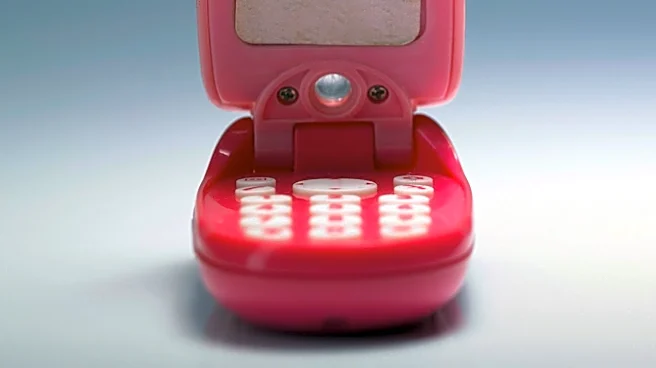
Dumb Co, a company born from the Month Offline challenge, is offering a unique solution for those looking to reduce their smartphone usage without completely disconnecting. The company sells flip phones that sync with smartphones, allowing users to access
essential apps like WhatsApp, Spotify, and Uber while leaving their smartphones at home. This initiative is led by Lydia Peabody, who transitioned from a career as a licensed therapist to become the founding CMO of Dumb Co. The company aims to provide a middle ground for individuals who grew up with digital technology but now seek a simpler, less connected lifestyle. The flip phones, equipped with Dumb Co's software, offer a way to stay connected without the constant distractions of a smartphone.
Why It's Important?
The introduction of Dumb Co's flip phones highlights a growing trend among younger generations who are increasingly aware of the negative impacts of excessive screen time on mental health. By offering a device that limits connectivity, Dumb Co addresses the need for balance in a digital age where constant connectivity can lead to anxiety and distraction. This product could appeal to a significant market segment seeking to improve their mental well-being by reducing screen time. Additionally, it reflects a broader societal shift towards mindfulness and intentional living, as people seek to reclaim their time and attention from digital devices.
What's Next?
As Dumb Co continues to develop its product, the company may explore expanding its software capabilities to include more apps and features that align with its mission of reducing screen time. The success of this initiative could inspire other tech companies to create similar products, potentially leading to a new market segment focused on digital minimalism. Additionally, as more people adopt these devices, there could be a cultural shift towards valuing in-person interactions and reducing reliance on smartphones for everyday tasks.
Beyond the Headlines
The rise of products like Dumb Co's flip phone raises questions about the future of technology and its role in our lives. As society becomes more aware of the psychological effects of digital overuse, there may be increased demand for products that promote healthier tech habits. This could lead to changes in how technology is designed, with a greater emphasis on user well-being. Furthermore, the success of such products could influence public policy and corporate practices, encouraging companies to prioritize mental health in their product designs.