


What's Happening?
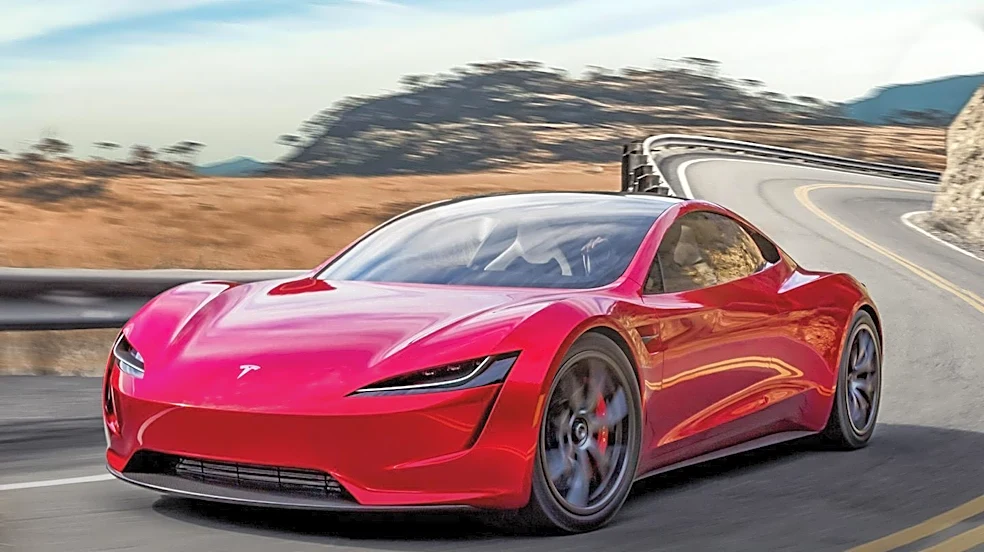
Buyers who pre-ordered the Tesla Roadster 2.0 nearly a decade ago are still awaiting delivery, and recent developments suggest they may never receive their vehicles. Despite a recent demonstration showcasing a 'flying' version of the Roadster, the fine
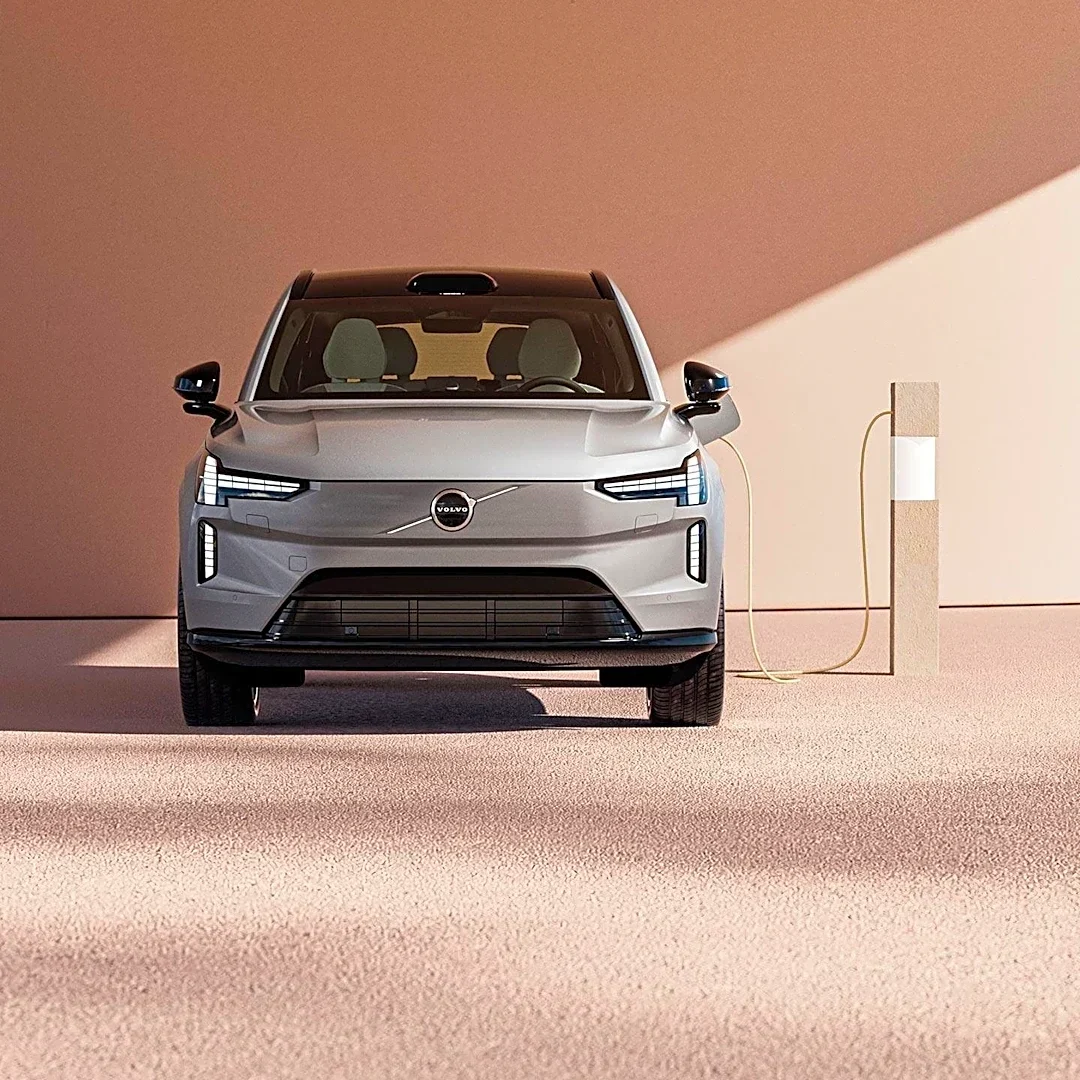
print indicates that delivery remains uncertain. While competitors are offering electric vehicles with advanced capabilities that are available for purchase today, Roadster 2.0 customers continue to wait. The initial promise of a revolutionary electric sports car has been met with prolonged delays, leaving early adopters without their anticipated vehicle. This situation contrasts sharply with the availability of other innovative EVs on the market, which offer features like self-driving capabilities and unique functionalities that are already in production and accessible to consumers.
Why It's Important?
The protracted delay and uncertain delivery of the Tesla Roadster 2.0 have significant implications for consumer trust and brand perception within the electric vehicle market. For customers who placed deposits years ago, the ongoing wait can lead to frustration and a sense of unfulfilled promises, potentially eroding loyalty. This situation also highlights the challenges associated with ambitious technological projects and meeting production timelines, especially for groundbreaking innovations. While Tesla continues to push boundaries with concepts like a 'flying' Roadster, the inability to deliver on existing pre-orders can overshadow these advancements. Competitors, by contrast, are capitalizing on the demand for advanced EVs by bringing products to market more efficiently, potentially gaining a competitive edge. This scenario underscores the importance of balancing visionary development with reliable production and delivery schedules to maintain consumer confidence and market leadership.
What's Next?
For existing Roadster 2.0 reservation holders, the immediate future remains unclear, with no definitive delivery timeline provided. Tesla's focus on new demonstrations and future projects, such as the 'flying' Roadster, may further delay the original model's production. Customers will likely continue to monitor official announcements from Tesla for any updates on their orders. The company may face increasing pressure to address the long-standing pre-orders, either by providing concrete delivery dates or offering alternative solutions. The broader EV market will observe how Tesla manages this situation, as it could influence future pre-order models and consumer willingness to commit to long-term reservations for unreleased vehicles. The company's ability to eventually deliver on these early promises will be critical for its reputation and future customer relations.
Beyond the Headlines
The prolonged delay of the Tesla Roadster 2.0 extends beyond a simple production issue, touching upon the psychological contract between innovative companies and their early adopter customers. These customers often invest not just money, but also significant trust and enthusiasm in a company's vision. When such long waits occur, it can test the limits of that trust, potentially leading to disillusionment. This situation also reflects the inherent risks in pioneering new technologies, where unforeseen challenges in development, manufacturing, and supply chains can cause substantial setbacks. From a market perspective, it highlights the tension between generating excitement with futuristic concepts and the practical realities of mass production. The Roadster's saga could serve as a case study for other companies on managing expectations and maintaining transparency with customers when facing significant delays in delivering highly anticipated, cutting-edge products. It also underscores the value of tangible delivery over aspirational announcements in building long-term brand credibility.