



What's Happening?
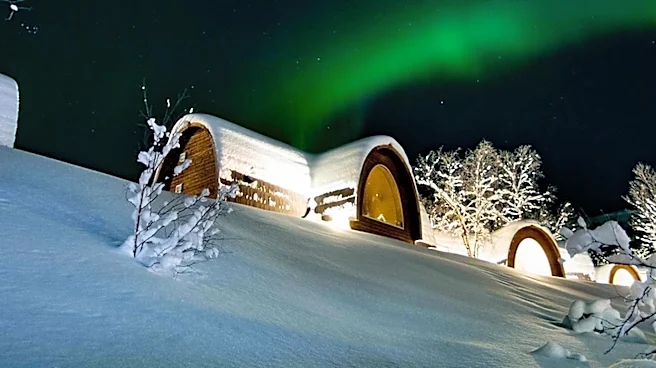
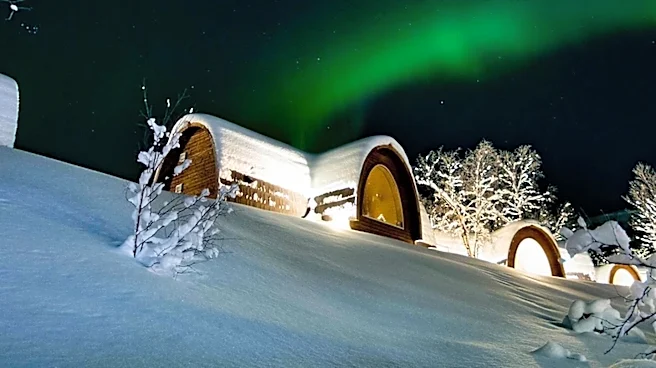
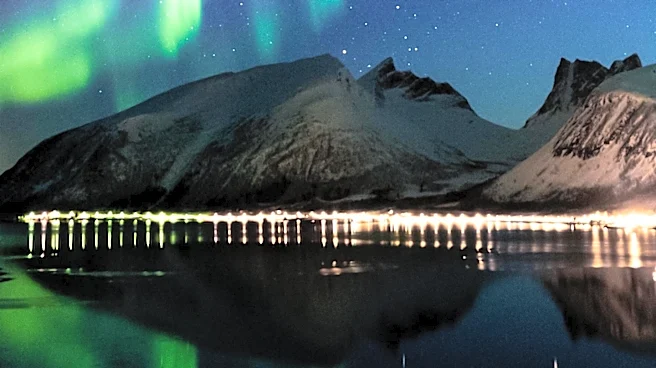
Tromsø, a city located above the Arctic Circle, provides a wide array of activities and attractions throughout the year, extending beyond its well-known Northern Lights viewing opportunities. While the period between late September and late March is ideal
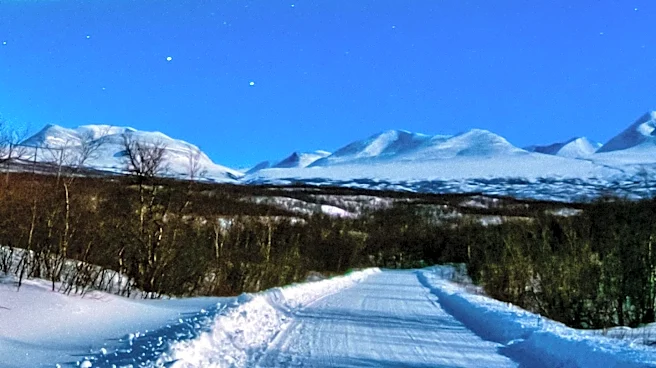
for witnessing the aurora borealis, the city also offers unique summer experiences due to the Midnight Sun. Visitors can explore historical sites like the Arctic Cathedral and the Polar Museum, or enjoy panoramic views from the Fjellheisen cable car. The city's center is easily walkable, featuring 18th and 19th-century wooden houses, cafes, and shops. Excursions to nearby natural wonders such as Kvaløya, Sommarøy, and the Lyngen Alps are also popular, offering diverse landscapes from white sand beaches to impressive mountain ranges. Winter activities include husky sledding, reindeer herding, and whale watching, while summer allows for hiking, kayaking, and boat trips under continuous daylight.
Why It's Important?
Tromsø's diverse tourism offerings highlight a growing trend in Arctic travel, moving beyond seasonal attractions to year-round engagement. This diversification helps stabilize the local economy by attracting visitors during both winter and summer, reducing reliance on a single natural phenomenon like the Northern Lights. The emphasis on cultural experiences, such as visiting the Polar Museum and participating in Sami reindeer herding, contributes to the preservation and promotion of indigenous heritage. Furthermore, the accessibility of natural landscapes for activities like hiking and whale watching underscores the region's commitment to outdoor tourism, which can have positive impacts on local businesses and infrastructure. The city's ability to cater to different interests, from historical exploration to adventure sports, positions it as a comprehensive Arctic destination, potentially influencing tourism strategies in other polar regions.
What's Next?
As Tromsø continues to develop its year-round tourism, future efforts may focus on enhancing infrastructure to support the increasing number of visitors. This could include expanding accommodation options, improving transportation links to remote natural sites, and developing new guided tours and activities that showcase the region's unique environment and culture. There may also be an increased emphasis on sustainable tourism practices to protect the delicate Arctic ecosystem from the impacts of growing visitor numbers. Marketing campaigns are likely to continue highlighting the diverse experiences available, aiming to attract a broader demographic of travelers. Additionally, with the growing interest in Arctic exploration, Tromsø could further establish itself as a hub for scientific research and educational tourism, leveraging its position above the Arctic Circle.
Beyond the Headlines
The evolution of Tromsø as a year-round destination reflects a broader shift in how Arctic regions are perceived and utilized. Beyond their traditional roles as scientific outposts or extreme adventure locales, these areas are increasingly becoming accessible tourist destinations. This shift raises important questions about environmental conservation, the impact of tourism on local communities, and the authenticity of cultural experiences. The balance between promoting economic growth through tourism and preserving the pristine Arctic environment and indigenous cultures will be a critical challenge. The city's success in offering diverse activities could serve as a model for other Arctic communities seeking to develop sustainable tourism economies, while also navigating the complexities of climate change and increased human presence in sensitive ecological zones.