





What's Happening?
Pelvic floor physiotherapy is a specialized treatment focusing on the muscles, ligaments, and connective tissues that support the bladder, bowel, and reproductive organs. This therapy is designed to address a variety of issues, including urinary incontinence,
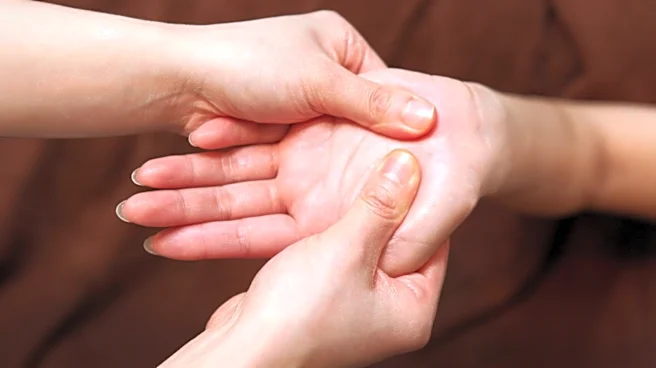
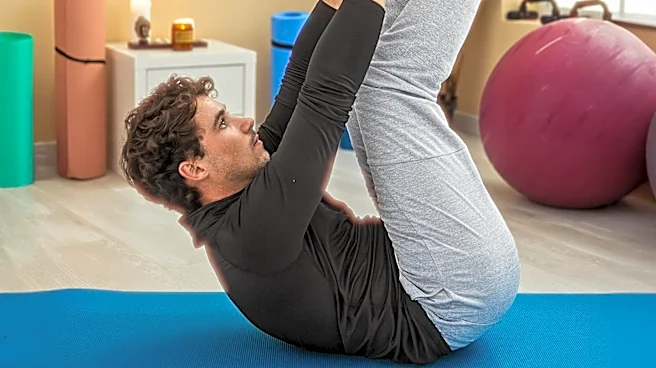
pelvic pain, pre- and post-natal recovery, and pelvic organ prolapse. The treatment is conducted by specially trained therapists who provide discreet and compassionate care. Sessions typically occur in private, comfortable settings and may involve both internal and external manual therapy, targeted exercises, and education on lifestyle strategies to support long-term pelvic health.
Why It's Important?
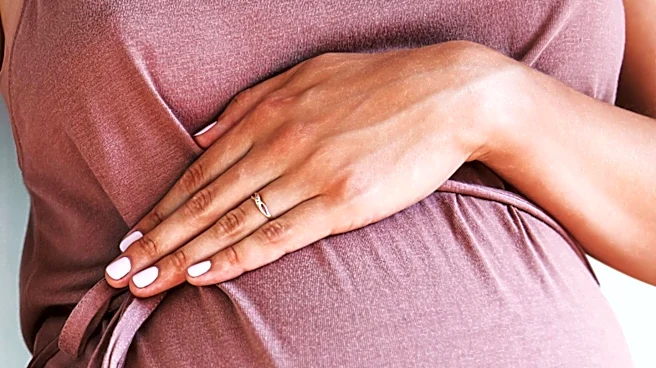
Pelvic floor health is crucial for overall well-being, affecting both men and women. Dysfunction in this area can lead to significant discomfort and impact daily life, including activities such as exercise, work, and social interactions. By addressing these issues through physiotherapy, individuals can experience relief from symptoms and improve their quality of life. This type of therapy is particularly important for postpartum women, who may face challenges such as diastasis recti and stress urinary incontinence. Additionally, men experiencing chronic pelvic pain can benefit from targeted treatments that address non-bacterial factors like chronic muscle tension and increased nerve sensitivity.
What's Next?
As awareness of pelvic floor health increases, more individuals may seek out physiotherapy as a viable treatment option. Healthcare providers and therapists are likely to continue developing and refining techniques to better address the diverse needs of patients. Additionally, ongoing research into pelvic floor dysfunctions and their treatments could lead to new insights and improved therapeutic approaches. Patients are encouraged to consult with healthcare professionals to determine the best course of action for their specific conditions.
Beyond the Headlines
The growing focus on pelvic floor health highlights the importance of addressing often-overlooked aspects of physical well-being. This shift in attention may lead to broader discussions about the integration of holistic health practices in traditional medical settings. Furthermore, as more people become informed about the benefits of pelvic floor physiotherapy, there could be a cultural shift towards destigmatizing discussions around pelvic health issues, encouraging more open conversations and proactive health management.