


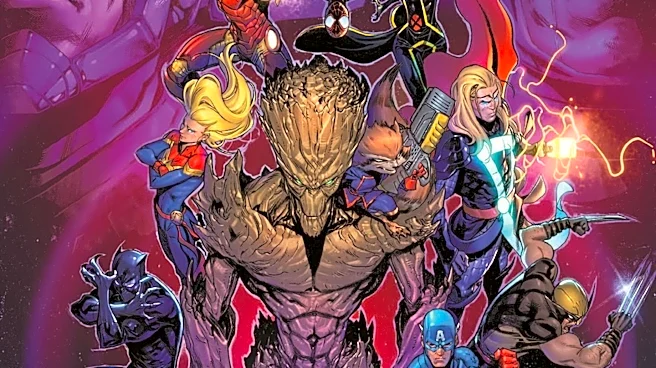

What's Happening?
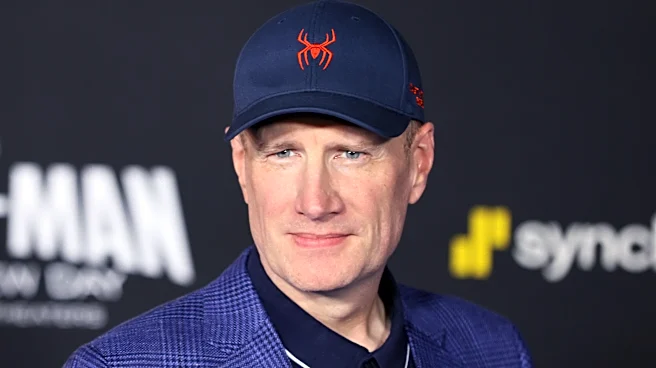
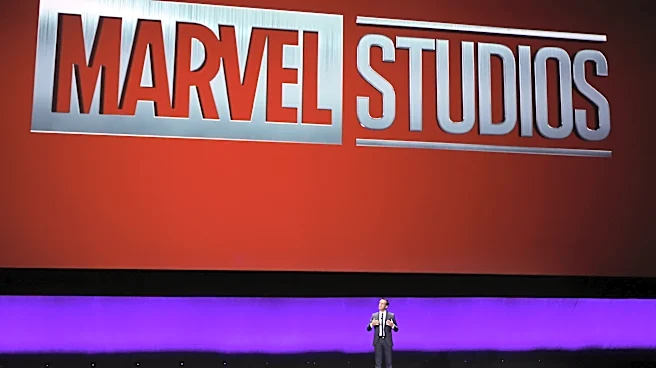
Marvel Studios President Kevin Feige has confirmed that the upcoming film 'Avengers: Secret Wars' will take place on Battleworld. This announcement aligns with long-standing fan speculation, particularly since the Multiverse Saga began. Feige indicated
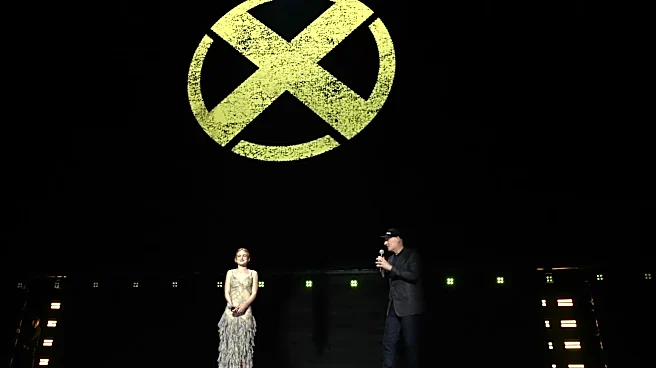
that the film will draw inspiration from the 2015 comic book version of 'Secret Wars', where Doctor Doom reconstructs remnants of destroyed realities into a single planet, Battleworld, over which he rules. He also encouraged fans to consult the Marvel comics for potential spoilers regarding the movie's plot, comparing it to reading 'The Odyssey' for its story. Feige described 'Secret Wars' as a unique cinematic endeavor for Marvel, emphasizing the 'imagination gone wild' in its characters, settings, and worlds within this singular planet. The film is slated to be a 'launching pad' for Marvel's 2028 film slate, ushering in a 'very new era' for the Marvel Cinematic Universe, which will include new installments for X-Men, Ghost Rider, and Black Panther III.
Why It's Important?
This confirmation from Kevin Feige is highly significant for the Marvel Cinematic Universe (MCU) and its vast global fanbase. The integration of Battleworld, a pivotal element from the comics, signals a major shift in the MCU's narrative structure, moving beyond traditional Earth-centric or single-universe storylines. This development could redefine the scope of superhero storytelling in mainstream cinema, potentially influencing other major film franchises to explore more complex, multi-dimensional narratives. For Disney, the parent company of Marvel Studios, this strategic move aims to reinvigorate audience interest and maintain the MCU's dominant position in the entertainment industry, especially after recent mixed critical and commercial receptions for some projects. The promise of a 'new era' and the introduction of beloved franchises like X-Men and Ghost Rider into the main MCU continuity could lead to substantial box office returns and merchandise sales, impacting Disney's overall financial performance. Furthermore, by openly encouraging fans to seek spoilers in comics, Marvel is fostering a deeper engagement with its source material, potentially boosting comic book sales and strengthening the brand's foundational intellectual property.
What's Next?
Following the confirmation of Battleworld for 'Avengers: Secret Wars', the immediate next step for Marvel Studios will likely involve more detailed announcements regarding the film's cast, specific plot elements, and the creative team behind it. The film is expected to serve as a major reset for the Marvel Cinematic Universe, leading into a 2028 slate that includes new X-Men, Ghost Rider, and Black Panther III films. This suggests that 'Secret Wars' will conclude the current Multiverse Saga and establish the foundation for these new franchises. Fans can anticipate further teasers and trailers as the release date approaches, with a particular focus on how Doctor Doom's role and the concept of Battleworld will be visually and narratively adapted for the big screen. The success of 'Avengers: Secret Wars' will be crucial in setting the tone and direction for the MCU's next phase, influencing future casting decisions, storytelling approaches, and overall franchise strategy.
Beyond the Headlines
The decision to adapt Battleworld and encourage comic book 'spoilers' for 'Avengers: Secret Wars' carries deeper implications for the relationship between cinematic universes and their source material. It represents a strategic acknowledgment from Marvel Studios that a significant portion of its audience is deeply invested in the comic book lore. This approach could set a precedent for how major franchises engage with their established canons, potentially leading to more faithful adaptations or, conversely, more creative liberties taken with the understanding that the source material provides a 'blueprint' rather than a rigid script. Ethically, this move blurs the lines between adaptation and direct translation, inviting a unique form of audience participation where prior knowledge of comics enhances the viewing experience. Culturally, it reinforces the idea that comic books are not merely children's entertainment but complex narratives worthy of study and anticipation, elevating their status within popular culture. This could also influence how intellectual property is managed and marketed across different media, emphasizing the interconnectedness of a brand's various manifestations.