
What's Happening?
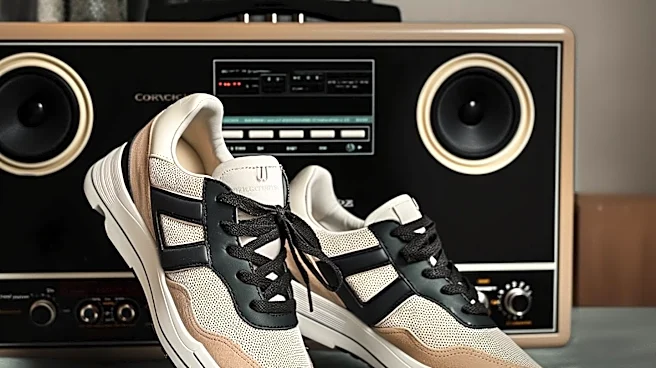
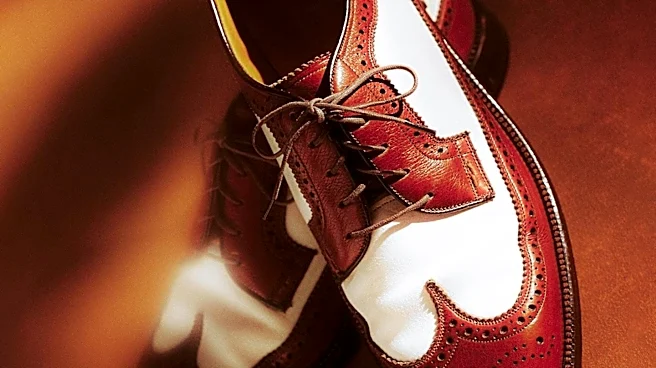
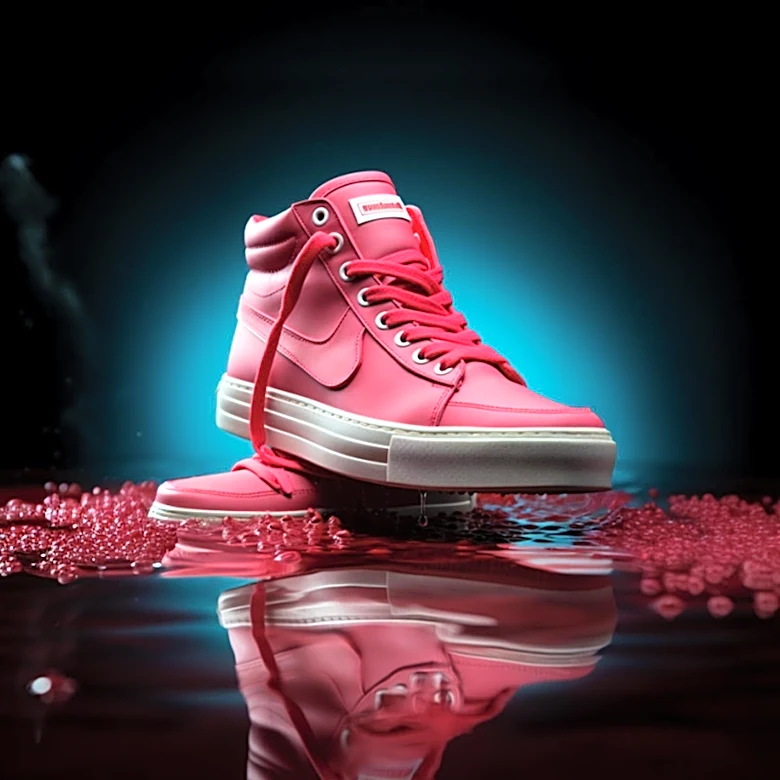
Nostalgic fashion trends are experiencing a significant resurgence, with vintage and second-hand clothing gaining popularity. This movement includes the return of styles such as 'Granny Style' and 'Grandpa Shoes,' which are being embraced for their quality
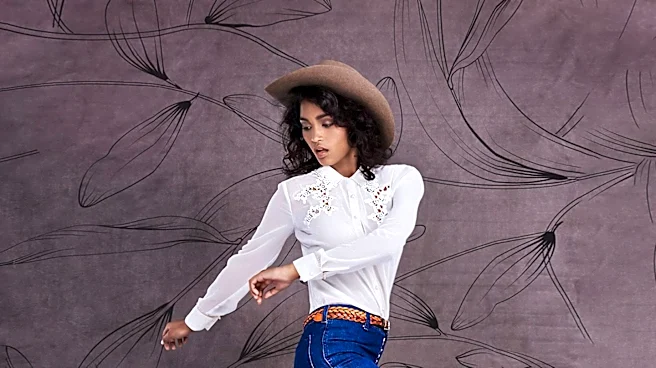
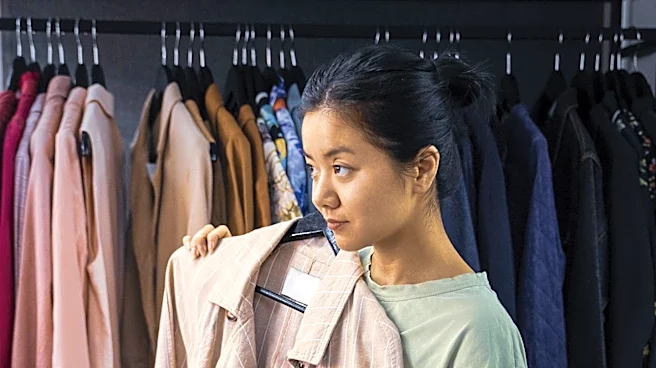
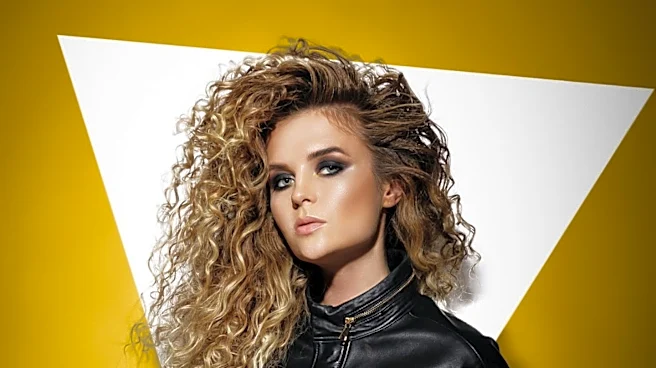
and sentimental value. These items are often re-styled to align with contemporary tastes. Additionally, corduroy fabrics are becoming ubiquitous, and lace-trimmed dresses are making a comeback, reminiscent of the 1990s and Victorian eras, respectively. Hairstyles like the mid-length bob with flippy ends, echoing the 1960s, are also seeing a nostalgic return. This trend is driven by individuals exploring their parents' wardrobes for unique finds, appreciating the inherent vintage quality and often superior craftsmanship of older garments. Social media platforms are increasingly featuring content where people showcase their discoveries from family closets, highlighting both designer pieces and no-name brands that offer timeless appeal. The emphasis is on combining these classic pieces with modern elements to create fresh, personalized looks.
Why It's Important?
The resurgence of nostalgic fashion holds significant implications for the U.S. fashion industry and consumer behavior. This trend promotes sustainability by encouraging the reuse of clothing, potentially reducing demand for fast fashion and its associated environmental impact. Consumers are increasingly valuing durability and unique aesthetics over fleeting trends, leading to a shift in purchasing habits towards vintage and second-hand markets. This also creates new opportunities for businesses specializing in vintage clothing, consignment, and upcycling. For designers, the trend signifies a renewed interest in historical fashion elements, influencing current collections and potentially leading to more timeless designs. Socially, it fosters a connection to the past, allowing individuals to express personal style through pieces with a story. Economically, it could stimulate local economies through vintage boutiques and craft markets, while also challenging the traditional retail model by emphasizing longevity and quality. The 'Granny Style' and 'Grandpa Shoes' phenomena, alongside 'Mom Jeans' and 'Dad Sneakers,' demonstrate a broader cultural acceptance and celebration of styles previously considered 'outdated,' redefining what is considered fashionable.
What's Next?
The trajectory of nostalgic fashion suggests continued growth and integration into mainstream style. We can anticipate more designers drawing inspiration from past decades, leading to contemporary interpretations of vintage aesthetics. Retailers may expand their offerings of vintage-inspired collections or collaborate with vintage curators. The second-hand market, including online platforms and physical stores, is likely to see increased investment and innovation to meet rising consumer demand. Educational initiatives promoting sustainable fashion and the benefits of vintage clothing could also gain traction. Furthermore, social media will continue to play a crucial role in popularizing and disseminating these trends, with influencers and content creators showcasing new ways to style nostalgic pieces. This could lead to a more cyclical fashion industry, where trends are reinterpreted rather than entirely replaced, fostering a greater appreciation for craftsmanship and longevity in clothing. The emphasis on personal storytelling through fashion is also expected to deepen, as consumers seek unique items that reflect their individuality and connection to history.
Beyond the Headlines
Beyond the immediate fashion trends, the embrace of nostalgic styles reflects deeper cultural and psychological shifts. Ethically, it underscores a growing consciousness about consumption and sustainability, challenging the throwaway culture prevalent in modern society. The act of wearing vintage clothing can be seen as a form of quiet rebellion against mass production and corporate branding, favoring individuality and authenticity. Culturally, it represents a longing for simpler times or a connection to personal heritage, as individuals literally wear pieces from their family's past. This trend also highlights the cyclical nature of aesthetics and how perceptions of beauty and style evolve over time. The 'Granny Style' and 'Grandpa Shoes' are not just about clothing; they symbolize a broader appreciation for comfort, practicality, and a certain understated elegance that contrasts with the often-overt branding of contemporary fashion. This movement could foster a more mindful approach to personal style, encouraging consumers to invest in quality pieces that transcend fleeting trends and hold personal significance.