

What's Happening?
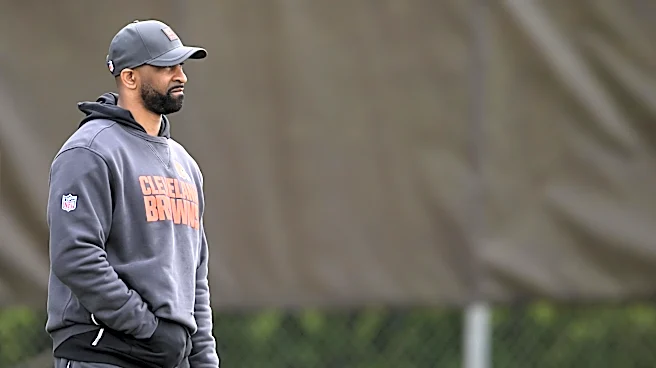
Cleveland Browns coach Todd Monken has defended his decision to attempt a two-point conversion after scoring a touchdown in overtime against the New Orleans Saints, a gamble that resulted in a 23-22 loss for the Browns. Following Harold Fannin Jr.'s 39-yard
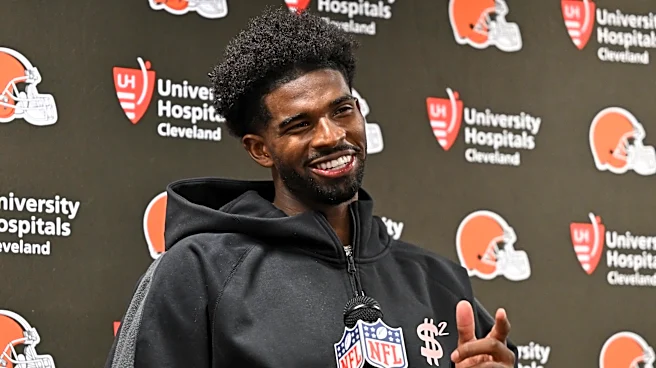
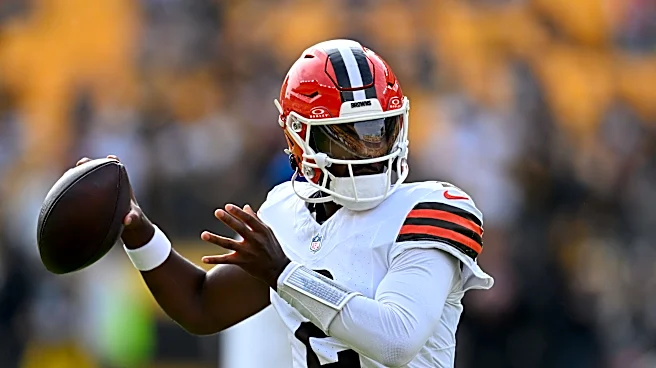
touchdown, which left one minute on the overtime clock, Monken opted to go for the win immediately rather than kick an extra point to tie the game. Quarterback Shedeur Sanders' pass to Denzel Boston fell incomplete, sealing the defeat and dropping Cleveland's record to 5-4. Monken stated his philosophy was to 'win or lose' in that moment, rather than settling for a tie that would have given the Saints another possession to win with a field goal. The Saints had previously driven for touchdowns late in regulation and on their opening overtime possession, influencing Monken's decision to try and end the game on the spot. Earlier in the game, the Browns also missed an opportunity near the goal line on fourth-and-goal.
Why It's Important?
This decision by Coach Monken highlights a growing trend in professional football where coaches are increasingly willing to take aggressive risks to secure a win, rather than playing for a tie or extending the game. For the Cleveland Browns, this loss has significant implications for their playoff aspirations, as their record now stands at 5-4. Such high-stakes coaching decisions can profoundly impact team morale, fan perception, and the strategic landscape of the league. While some may criticize the move as overly aggressive, others might view it as a bold, forward-thinking approach to game management. The outcome of such gambles can define a coach's tenure and influence future strategic choices across the NFL, potentially leading to more teams adopting similar aggressive tactics in critical game situations. The immediate consequence for the Browns is a setback in their divisional and conference standings, making their upcoming games even more crucial.
What's Next?
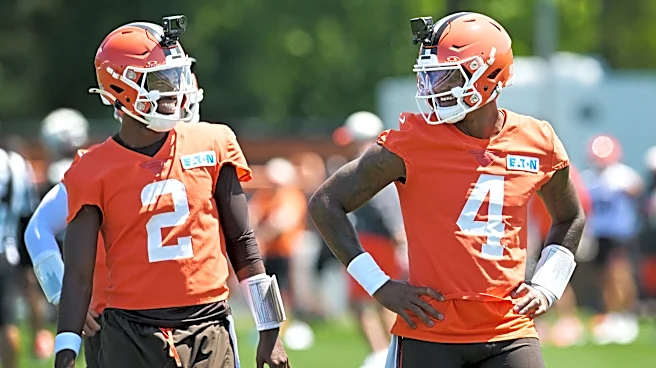
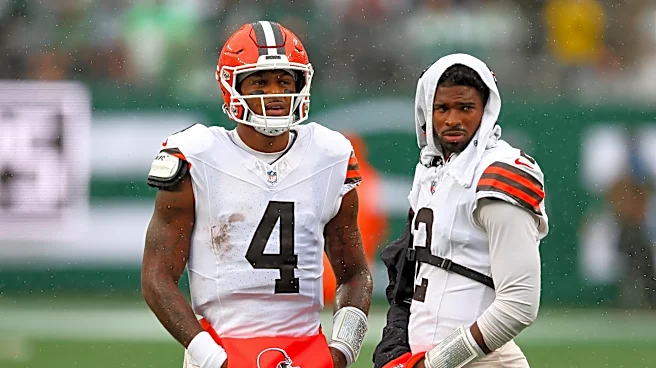
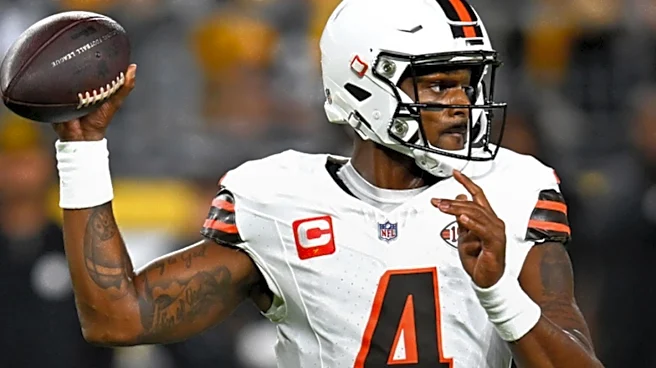
The Cleveland Browns are scheduled to return home to face the Houston Texans on November 15. This upcoming game will be critical for the Browns as they carry consecutive losses and face ongoing decisions regarding their starting quarterback. Shedeur Sanders, who started in place of Deshaun Watson (inactive despite clearing concussion protocol), showed resilience by rallying the team in the second half and overtime. The team will need to address their offensive execution, particularly in critical goal-line situations, as highlighted by the failed two-point conversion and an earlier fourth-and-goal attempt. Coach Monken's decision-making will likely remain under scrutiny, and the team's performance against the Texans could either validate or further question his strategic approach. The outcome of the next few games will be crucial in determining the Browns' trajectory for the remainder of the season.
Beyond the Headlines
The strategic choice made by Coach Monken extends beyond a single game's outcome, touching upon the evolving philosophy of risk assessment in professional sports. This incident could fuel broader discussions within the NFL about the optimal balance between conservative play and aggressive, game-ending decisions. It also brings into focus the psychological impact on players and fans when such high-stakes gambles do not pay off. The 'win or lose' mentality, while bold, places immense pressure on individual plays and can lead to intense scrutiny of coaching staff. Furthermore, the situation with quarterback Deshaun Watson's availability, despite clearing concussion protocol, adds another layer of complexity, suggesting potential underlying issues or strategic considerations that influence game-day decisions. This event could serve as a case study for future coaching seminars and sports analytics, examining the long-term efficacy and consequences of such aggressive play calls.